THE ADVENTURE COLLECTIVE® · Independent discovery and booking for outdoor travel

Move from flickering cave walls with ancient Mayan pigments to sunlit cenote swims in one easy day from Mérida. This guided half-day loop pairs geology, ritual history, and cool freshwater pools—ideal for travelers who want a compact but immersive Yucatán experience.
Move from flickering cave walls with ancient Mayan pigments to sunlit cenote swims in one easy day from Mérida. This guided half-day loop pairs geology, ritual history, and cool freshwater pools—ideal for travelers who want a compact but immersive Yucatán experience.
You step out of the air-conditioned van onto the hard-packed yard of Hacienda Kempepen; wind carries the scent of wet limestone and forest. Guides point the way toward a narrow opening where the cave seems to breathe—cool, dark, and shaped by water over millennia. Inside Gruta Kixné, rock faces hold faded Mayan pigments and low ceilings that demand attention; later, sunlight opens up over La Noria and Chen Ké cenotes and bright water dares you in.
Verified experiences and guided adventures in the surrounding area.
Operated by Ekinox Tours · Merida, Yucatán
You step out of the air-conditioned van onto the hard-packed yard of Hacienda Kempepen; wind carries the scent of wet limestone and forest. Guides point the way toward a narrow opening where the cave seems to breathe—cool, dark, and shaped by water over millennia. Inside Gruta Kixné, rock faces hold faded Mayan pigments and low ceilings that demand attention; later, sunlight opens up over La Noria and Chen Ké cenotes and bright water dares you in.
The Yucatán is a buried landscape of karst limestone. Over thousands of years rain dissolved the bedrock, creating underground rivers, stalactites, and sinkhole cenotes that the Maya revered as sources of life and portals to the underworld. This small circuit pairs archaeological atmosphere with the region’s hydrology: caves that harbor ceremonial paintings and open cenotes fed by aquifers and glinting with freshwater clarity. Local culture still remembers these places as sacred; guides often explain ceremonial uses while protecting fragile art.
Practically, expect about 5–6 hours including transit; swims are relaxed but require basic mobility—stairs and slick rock are common. Lifejackets are provided; wear water shoes with grip, sunscreen that won’t harm the water, and a lightweight drybag for phones. Morning departures reduce heat and increase light for photos; bring cash for small purchases and respect signage around fragile paintings. The experience blends short cave passages, interpretive history, and calm cenote swims—an accessible way to feel the geology and culture of the Yucatán in a single day.
moderate.
5–6 hours.
Light to moderate fitness; participants should be comfortable with short climbs, stairs, and swimming in calm water.
Yes; both La Noria and Chen Ké allow swimming and provide lifejackets; expect calm, clear water but check with the guide for depth and entry points.
No; paintings are fragile—do not touch them and follow guide rules about photography and lighting to avoid damage.
Most tours depart from central Mérida hotels or a designated meeting point; this product includes transportation options—confirm pick-up details when you book.
Children can participate but must be supervised; people with significant mobility or spinal issues may find cave passages and stairs difficult—consult the operator if concerned.
Caves and cenotes were central to Mayan ritual life—water sources and ceremonial sites where offerings and paintings documented spiritual practice.
Stay on designated paths, avoid touching rock art, use biodegradable products, and follow guide rules to minimize impact on fragile cave and cenote ecosystems.
Ekinox Tours operates guided outdoor trips and adventures with an emphasis on safety, stewardship, and memorable experiences.
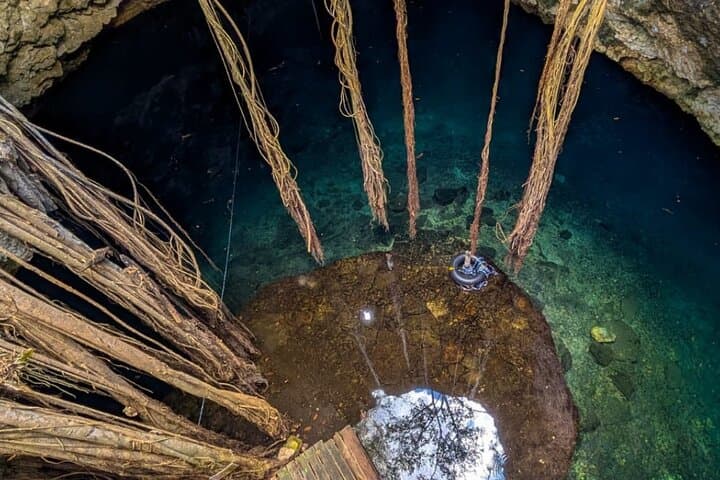
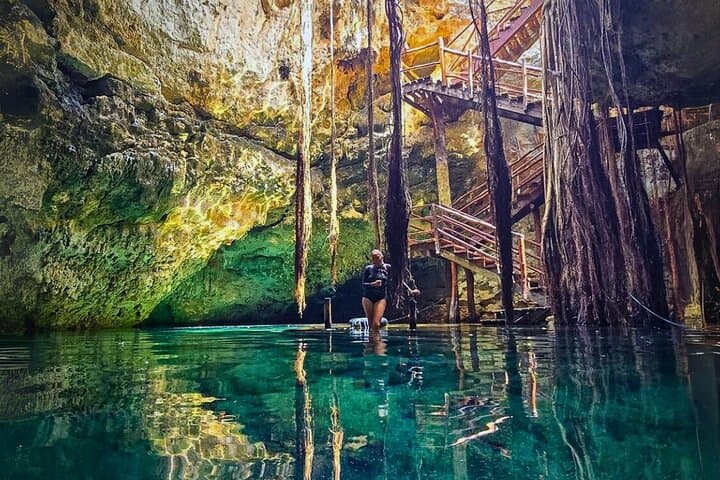
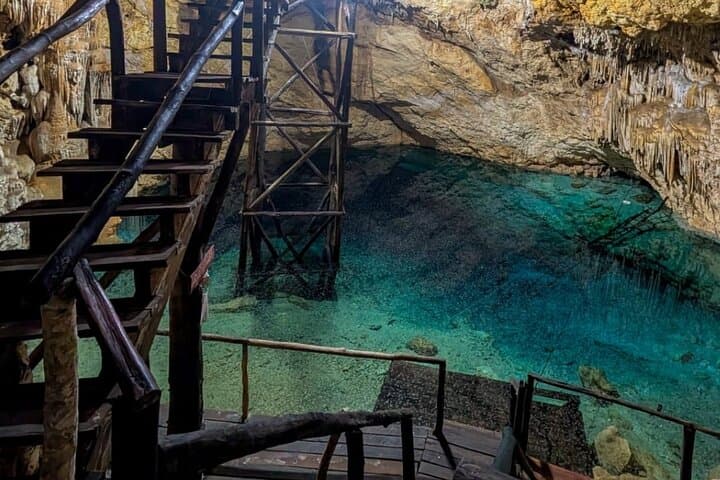
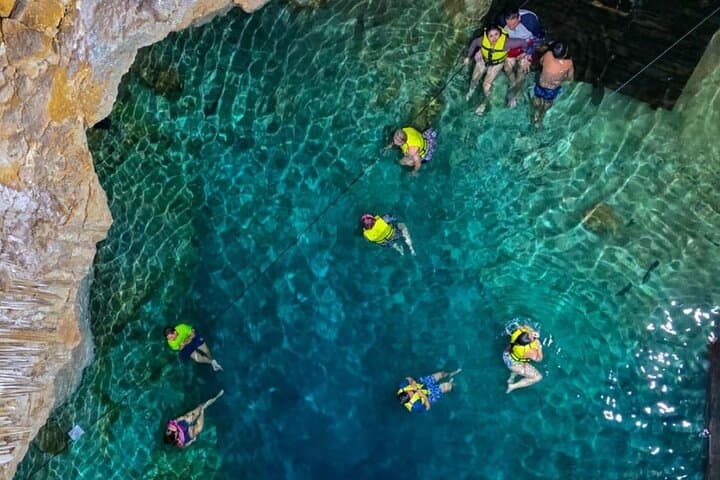
You step out of the air-conditioned van onto the hard-packed yard of Hacienda Kempepen; wind carries the scent of wet limestone and forest. Guides point the way toward a narrow opening where the cave seems to breathe—cool, dark, and shaped by water over millennia. Inside Gruta Kixné, rock faces hold faded Mayan pigments and low ceilings that demand attention; later, sunlight opens up over La Noria and Chen Ké cenotes and bright water dares you in.
You step out of the air-conditioned van onto the hard-packed yard of Hacienda Kempepen; wind carries the scent of wet limestone and forest. Guides point the way toward a narrow opening where the cave seems to breathe—cool, dark, and shaped by water over millennia. Inside Gruta Kixné, rock faces hold faded Mayan pigments and low ceilings that demand attention; later, sunlight opens up over La Noria and Chen Ké cenotes and bright water dares you in.
The Yucatán is a buried landscape of karst limestone. Over thousands of years rain dissolved the bedrock, creating underground rivers, stalactites, and sinkhole cenotes that the Maya revered as sources of life and portals to the underworld. This small circuit pairs archaeological atmosphere with the region’s hydrology: caves that harbor ceremonial paintings and open cenotes fed by aquifers and glinting with freshwater clarity. Local culture still remembers these places as sacred; guides often explain ceremonial uses while protecting fragile art.
Practically, expect about 5–6 hours including transit; swims are relaxed but require basic mobility—stairs and slick rock are common. Lifejackets are provided; wear water shoes with grip, sunscreen that won’t harm the water, and a lightweight drybag for phones. Morning departures reduce heat and increase light for photos; bring cash for small purchases and respect signage around fragile paintings. The experience blends short cave passages, interpretive history, and calm cenote swims—an accessible way to feel the geology and culture of the Yucatán in a single day.