THE ADVENTURE COLLECTIVE® · Independent discovery and booking for outdoor travel

Swim beneath beams of light into limestone cathedrals on this two-tank cenote dive from Playa del Carmen. Ideal for certified divers, the trip combines cavern techniques, halocline views, and close-up formations in small-group dives.
Swim beneath beams of light into limestone cathedrals on this two-tank cenote dive from Playa del Carmen. Ideal for certified divers, the trip combines cavern techniques, halocline views, and close-up formations in small-group dives.
You step out of the van into humid jungle air and the world narrows to a pool: a circular opening where sunlight cleaves through leaves and paints the water with razor-bright beams. The guide counts kit and checks lights; beneath that glassy surface waits a network of caverns carved from limestone over millennia, where visibility can stretch like a clear highway and columns of stalactites hang like frozen rain.
Verified experiences and guided adventures in the surrounding area.
Operated by SCUBA LIBRE · Playa del Carmen, Quintana Roo
You step out of the van into humid jungle air and the world narrows to a pool: a circular opening where sunlight cleaves through leaves and paints the water with razor-bright beams. The guide counts kit and checks lights; beneath that glassy surface waits a network of caverns carved from limestone over millennia, where visibility can stretch like a clear highway and columns of stalactites hang like frozen rain.
Thousands of years ago collapsing caves opened these sinkholes—cenotes—that fed Maya settlements and held spiritual weight as portals to the underworld. Geologically they’re fractured karst: fresh water perched over saltwater, haloclines that ghost the view where layers meet. Culturally, many cenotes remain respected by local communities; small operators often run tours to limit impact and preserve fragile formations.
This two-tank excursion from Playa del Carmen typically hits well-known cavern systems such as Dos Ojos or Chac-Mool. It’s a guided, certified-diver experience focused on controlled cavern entry rather than deep cave penetration: expect briefings, lamp checks, and strict line-following procedures. Water temps hover around 24–26°C (75–79°F) year-round; bring exposure protection and a reliable primary light even if lamps are provided. Hydrate before the dive, protect your gear from sun and sand, and follow the guide’s rules on buoyancy and touch—stalactites and stalagmites don’t recover.
Logistics: plan for a 6–7 hour outing with ground transfers, snacks, and two dives; bring your certification card and a compact camera if you shoot in low light. For certified divers craving otherworldly visibility and cavern architecture, cenote dives are a high-reward, technically mindful adventure.
challenging.
6–7 hours.
Moderate fitness required—able to carry kit, perform multiple buoyant entries, and handle stairs in/out of sinkholes
You must be a certified diver; operators expect comfort with low-light navigation and strong buoyancy—full cave training isn’t required for guided cavern dives but experience in confined spaces helps.
Cenotes typically offer excellent visibility—often 20–40 meters—plus halocline layers; water temps average 24–26°C year-round.
Most tours include round-trip transport from central Playa del Carmen; expect a 30–90 minute drive depending on the cenote visited.
Yes—small cameras are allowed; secure mounting and minimal light is advised to avoid disturbing formations and wildlife.
Cenotes were vital water sources for Maya settlements and held spiritual importance; archaeological finds in some sites attest to ritual uses.
Operators limit group sizes and enforce no-touch rules to protect delicate speleothems; avoid sunscreen and lotions to reduce contamination.
SCUBA LIBRE operates guided outdoor trips and adventures with an emphasis on safety, stewardship, and memorable experiences.
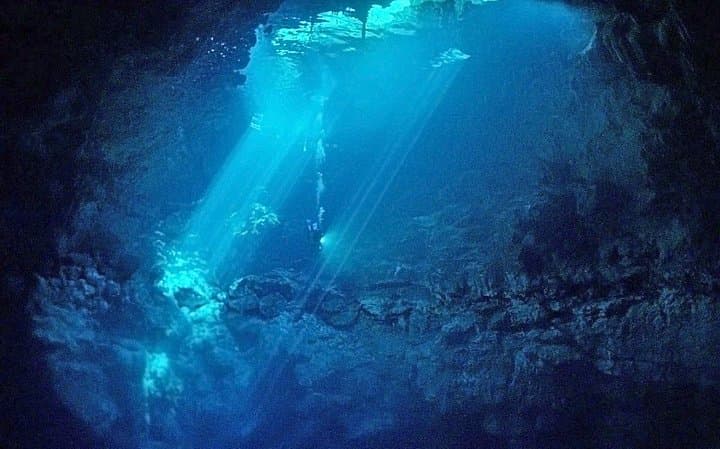
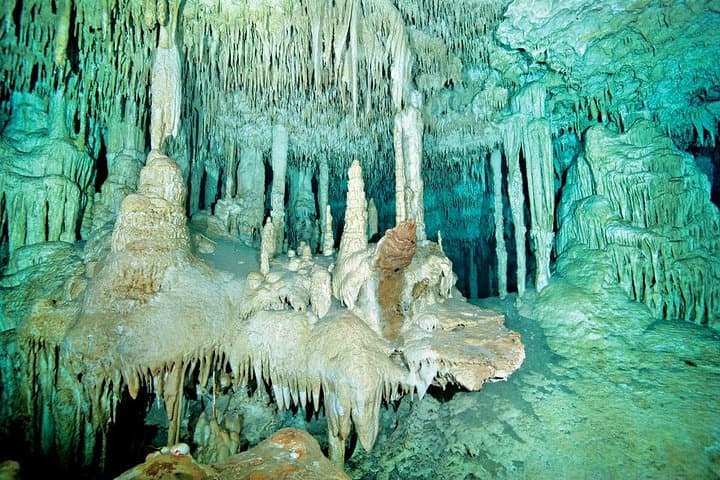
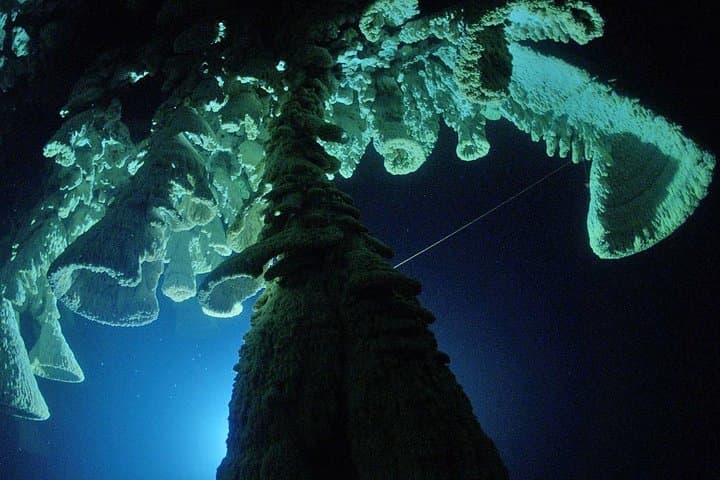
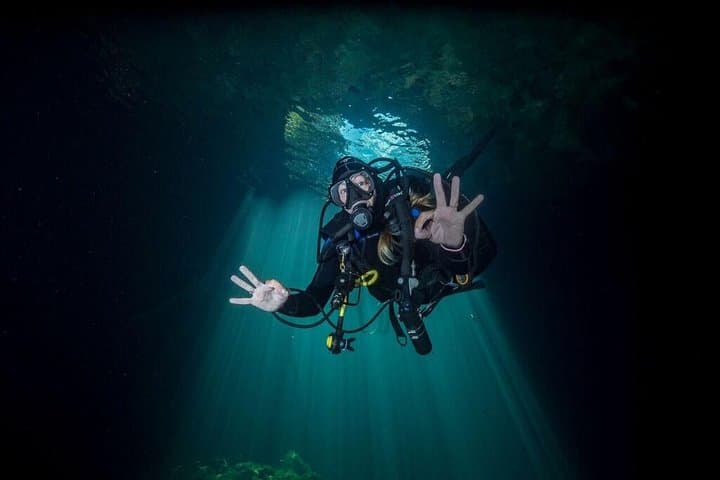
You step out of the van into humid jungle air and the world narrows to a pool: a circular opening where sunlight cleaves through leaves and paints the water with razor-bright beams. The guide counts kit and checks lights; beneath that glassy surface waits a network of caverns carved from limestone over millennia, where visibility can stretch like a clear highway and columns of stalactites hang like frozen rain.
You step out of the van into humid jungle air and the world narrows to a pool: a circular opening where sunlight cleaves through leaves and paints the water with razor-bright beams. The guide counts kit and checks lights; beneath that glassy surface waits a network of caverns carved from limestone over millennia, where visibility can stretch like a clear highway and columns of stalactites hang like frozen rain.
Thousands of years ago collapsing caves opened these sinkholes—cenotes—that fed Maya settlements and held spiritual weight as portals to the underworld. Geologically they’re fractured karst: fresh water perched over saltwater, haloclines that ghost the view where layers meet. Culturally, many cenotes remain respected by local communities; small operators often run tours to limit impact and preserve fragile formations.
This two-tank excursion from Playa del Carmen typically hits well-known cavern systems such as Dos Ojos or Chac-Mool. It’s a guided, certified-diver experience focused on controlled cavern entry rather than deep cave penetration: expect briefings, lamp checks, and strict line-following procedures. Water temps hover around 24–26°C (75–79°F) year-round; bring exposure protection and a reliable primary light even if lamps are provided. Hydrate before the dive, protect your gear from sun and sand, and follow the guide’s rules on buoyancy and touch—stalactites and stalagmites don’t recover.
Logistics: plan for a 6–7 hour outing with ground transfers, snacks, and two dives; bring your certification card and a compact camera if you shoot in low light. For certified divers craving otherworldly visibility and cavern architecture, cenote dives are a high-reward, technically mindful adventure.