THE ADVENTURE COLLECTIVE® · Independent discovery and booking for outdoor travel

Descend into the crystalline cenotes around Tulum for two guided SCUBA dives through caverns and freshwater caves. This five-hour outing pairs geology and Mayan cultural history with practical logistics—transport, gear, and an instructor-led route.
Descend into the crystalline cenotes around Tulum for two guided SCUBA dives through caverns and freshwater caves. This five-hour outing pairs geology and Mayan cultural history with practical logistics—transport, gear, and an instructor-led route.
You slip off the ladder into water so clear the light seems to slice through stone. The first breath under the cenote’s roof reveals a cool, quiet world where fingers of stalactites hang like teeth and columns rise from the floor. The guide signals; you follow a line that threads through caverns and into open water, the surface above a distant oval of sky.
Verified experiences and guided adventures in the surrounding area.
Operated by Costa Maya Shore Excursions · Tulum, Quintana Roo
You slip off the ladder into water so clear the light seems to slice through stone. The first breath under the cenote’s roof reveals a cool, quiet world where fingers of stalactites hang like teeth and columns rise from the floor. The guide signals; you follow a line that threads through caverns and into open water, the surface above a distant oval of sky.
These cenotes are collapsed limestone caves carved by rain and fresh water over hundreds of thousands of years — part of the Yucatán’s porous karst system. The Maya regarded many of these sinkholes as sacred water sources; today they offer a window into both regional geology and millennia-old cultural ties to freshwater. Expect rock formations from delicate soda straws to thick, ancient columns, and water that maintains a near-constant temperature year-round.
Practically: tours run about five hours and typically include roundtrip transport, full SCUBA gear, and two guided dives of roughly 40–45 minutes each. Certification (minimum PADI Open Water or equivalent) and recent diving activity are required. Groups are small and led by cave-trained instructors; follow line protocols and buoyancy discipline to protect fragile formations. Bring a lightweight wetsuit (3–5mm often sufficient), a good mask, and a reliable dive computer. Skip lotions and sunscreens that pollute the water, and plan for changing conditions — rain can muddy access roads though not always the cenote clarity.
For divers comfortable with overhead environments, cenote diving around Tulum is an unmatched mixture of technical focus and visual payoff: intimate, quiet, and surprisingly luminous beneath the jungle canopy.
challenging.
5 hours.
Moderate: you should be comfortable swimming, carrying and securing standard dive gear, and handling ladder entries.
Yes—minimum PADI Open Water (or equivalent) is typically required; some sites require additional training for overhead environments.
Many operators restrict cameras to reduce risks and protect formations—check the specific tour policy when booking.
Cenotes often include overhead environments; if you’re new, choose guided cavern-style dives that stay within lighted zones and line limits.
Not recommended for those with significant cardiovascular or spinal conditions, or pregnant travelers; operators require recent diving activity and a medical fitness declaration.
Many cenotes were vital freshwater sources for the Maya and served ritual roles; the Yucatán’s karst geology formed these pools over millennia.
Cenote ecosystems are sensitive—use biodegradable products, follow guide instructions, and avoid touching formations to minimize impact.
Costa Maya Shore Excursions operates guided outdoor trips and adventures with an emphasis on safety, stewardship, and memorable experiences.

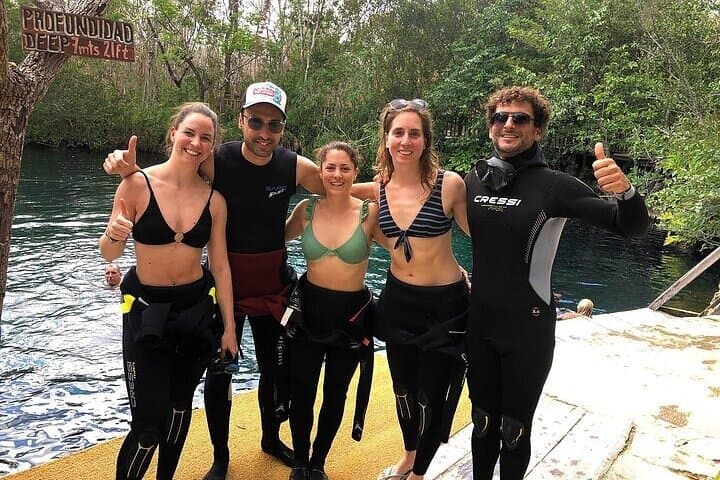
You slip off the ladder into water so clear the light seems to slice through stone. The first breath under the cenote’s roof reveals a cool, quiet world where fingers of stalactites hang like teeth and columns rise from the floor. The guide signals; you follow a line that threads through caverns and into open water, the surface above a distant oval of sky.
You slip off the ladder into water so clear the light seems to slice through stone. The first breath under the cenote’s roof reveals a cool, quiet world where fingers of stalactites hang like teeth and columns rise from the floor. The guide signals; you follow a line that threads through caverns and into open water, the surface above a distant oval of sky.
These cenotes are collapsed limestone caves carved by rain and fresh water over hundreds of thousands of years — part of the Yucatán’s porous karst system. The Maya regarded many of these sinkholes as sacred water sources; today they offer a window into both regional geology and millennia-old cultural ties to freshwater. Expect rock formations from delicate soda straws to thick, ancient columns, and water that maintains a near-constant temperature year-round.
Practically: tours run about five hours and typically include roundtrip transport, full SCUBA gear, and two guided dives of roughly 40–45 minutes each. Certification (minimum PADI Open Water or equivalent) and recent diving activity are required. Groups are small and led by cave-trained instructors; follow line protocols and buoyancy discipline to protect fragile formations. Bring a lightweight wetsuit (3–5mm often sufficient), a good mask, and a reliable dive computer. Skip lotions and sunscreens that pollute the water, and plan for changing conditions — rain can muddy access roads though not always the cenote clarity.
For divers comfortable with overhead environments, cenote diving around Tulum is an unmatched mixture of technical focus and visual payoff: intimate, quiet, and surprisingly luminous beneath the jungle canopy.