THE ADVENTURE COLLECTIVE® · Independent discovery and booking for outdoor travel

Step down into a clear-blue well and float among 60-million-year-old formations. This small-group Cenote Santa Cruz tour blends snorkeling with guided geology and Maya cultural insights, limited daily visitors, and a strong conservation focus.
Step down into a clear-blue well and float among 60-million-year-old formations. This small-group Cenote Santa Cruz tour blends snorkeling with guided geology and Maya cultural insights, limited daily visitors, and a strong conservation focus.
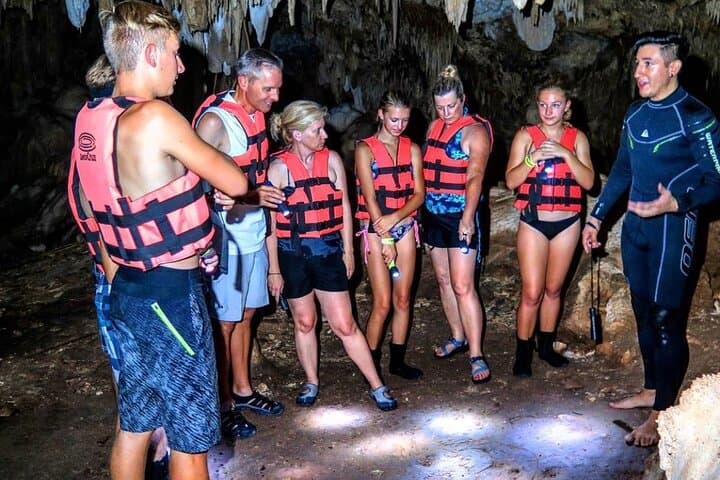
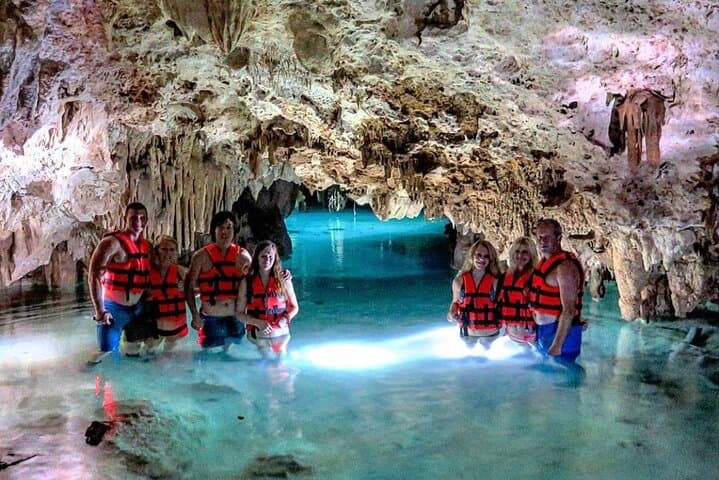
At the first step down the limestone ladder, the air cools and the world narrows to a ring of blue water and the shaft of light that spills from above. Cenote Santa Cruz presents itself as a vertical well—crystal-clear pools, calcite columns, and pockets of shadow where the guide’s flashlight slices the dark.
Verified experiences and guided adventures in the surrounding area.
Operated by Cenote Santa Cruz · Playa del Carmen, Quintana Roo
At the first step down the limestone ladder, the air cools and the world narrows to a ring of blue water and the shaft of light that spills from above. Cenote Santa Cruz presents itself as a vertical well—crystal-clear pools, calcite columns, and pockets of shadow where the guide’s flashlight slices the dark.
This sinkhole is a feature of the Yucatán’s karst landscape: porous limestone carved over millions of years, part of a connected aquifer system the ancient Maya regarded as portals to Xibalbá. Local stewards emphasize preservation—no artificial lighting, limited daily visitors, and interpretive briefings that combine geology and Maya cultural context while pointing out stalactites, flowstone, and the delicate vegetation around the rim.
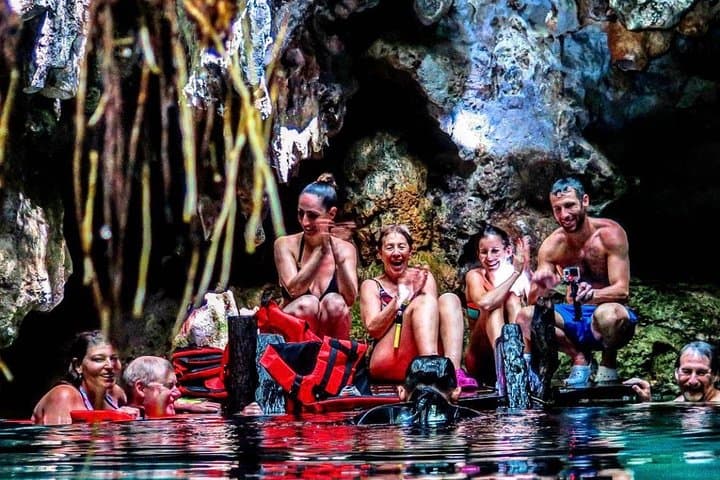
The tour is a focused 2½-hour, small-group visit that balances swimming and explanation. You’ll don a life jacket, slip a snorkel mask, and float past submerged formations; short, guided swims lead into shallow caverns where visibility changes with angle and light. Expect ladders, uneven steps, and slick surfaces—physical demands are moderate but steady footing matters.
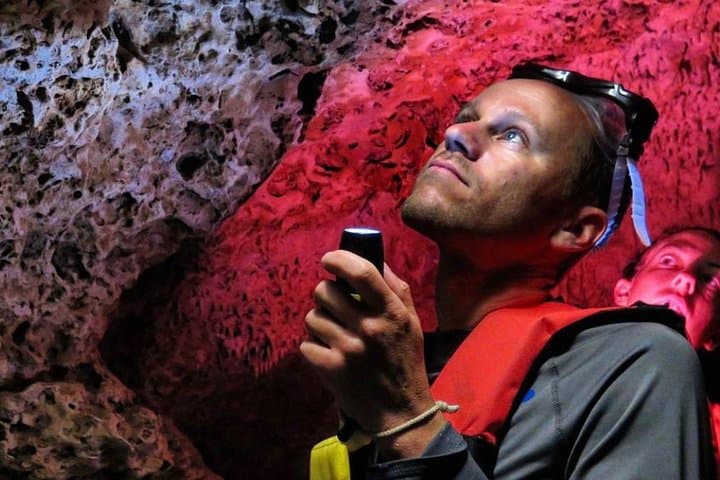
Practical advice: go early for softer light and fewer people, wear water shoes, and bring a small dry bag and biodegradable sunscreen. Flashlights are used in the darker chambers, but a headlamp can be useful. Respect the site—no soaps, perfumes, or trash—and follow the guide’s instructions; these cenotes are active aquifer habitats and cultural sites. With basic prep and responsible behavior, Cenote Santa Cruz is both an accessible aquatic adventure and a compact lesson in regional geology and heritage.
moderate.
2–3 hours.
Moderate fitness; comfortable with short swims, ladders, and uneven steps
Basic swimming ability is recommended; life jackets are provided and guides supervise short swims and shallow caverns.
Policy varies—bring a quick-dry towel and check with the operator about secure storage or lockers before arrival.
Yes with supervision and reasonable mobility; be aware of ladders, wet surfaces, and brief swims—ask about special assistance when booking.
Most operators run tours from Playa del Carmen and drive times typically range about 20–45 minutes depending on the exact cenote location and traffic.
Cenotes were vital freshwater sources for the Maya and often held ritual importance; local guides typically share archaeological and cultural context during visits.
This site limits daily visitors, avoids artificial lighting, and conducts water-quality monitoring to protect the aquifer and delicate formations—visitors are asked to follow strict no-trace rules.
Cenote Santa Cruz operates guided outdoor trips and adventures with an emphasis on safety, stewardship, and memorable experiences.
At the first step down the limestone ladder, the air cools and the world narrows to a ring of blue water and the shaft of light that spills from above. Cenote Santa Cruz presents itself as a vertical well—crystal-clear pools, calcite columns, and pockets of shadow where the guide’s flashlight slices the dark.
At the first step down the limestone ladder, the air cools and the world narrows to a ring of blue water and the shaft of light that spills from above. Cenote Santa Cruz presents itself as a vertical well—crystal-clear pools, calcite columns, and pockets of shadow where the guide’s flashlight slices the dark.
This sinkhole is a feature of the Yucatán’s karst landscape: porous limestone carved over millions of years, part of a connected aquifer system the ancient Maya regarded as portals to Xibalbá. Local stewards emphasize preservation—no artificial lighting, limited daily visitors, and interpretive briefings that combine geology and Maya cultural context while pointing out stalactites, flowstone, and the delicate vegetation around the rim.
The tour is a focused 2½-hour, small-group visit that balances swimming and explanation. You’ll don a life jacket, slip a snorkel mask, and float past submerged formations; short, guided swims lead into shallow caverns where visibility changes with angle and light. Expect ladders, uneven steps, and slick surfaces—physical demands are moderate but steady footing matters.
Practical advice: go early for softer light and fewer people, wear water shoes, and bring a small dry bag and biodegradable sunscreen. Flashlights are used in the darker chambers, but a headlamp can be useful. Respect the site—no soaps, perfumes, or trash—and follow the guide’s instructions; these cenotes are active aquifer habitats and cultural sites. With basic prep and responsible behavior, Cenote Santa Cruz is both an accessible aquatic adventure and a compact lesson in regional geology and heritage.