THE ADVENTURE COLLECTIVE® · Independent discovery and booking for outdoor travel

Swim three dramatically different cenotes near Homún on a full-day tour from Mérida. This guided outing blends geology, Maya history and clear-water swimming with convenient transport options.
Swim three dramatically different cenotes near Homún on a full-day tour from Mérida. This guided outing blends geology, Maya history and clear-water swimming with convenient transport options.
You step off the van or the quirky Santa Bárbara Express and the heat shifts: humid jungle air, a chorus of insects, and the sudden drop of light into turquoise water. The Santa Bárbara cenotes—Cascabel, Chacsikín and Xooch’—present three distinct sinkholes within a compact grove: a cavern pool that feels like a secret, a semi-open pit where sun shafts sharpen the water’s color, and a wide, open cenote ringed by trees.
Verified experiences and guided adventures in the surrounding area.
Operated by Merida Wonder ¡¡¡¡ · Homún, Yucatán
You step off the van or the quirky Santa Bárbara Express and the heat shifts: humid jungle air, a chorus of insects, and the sudden drop of light into turquoise water. The Santa Bárbara cenotes—Cascabel, Chacsikín and Xooch’—present three distinct sinkholes within a compact grove: a cavern pool that feels like a secret, a semi-open pit where sun shafts sharpen the water’s color, and a wide, open cenote ringed by trees.
Geologically these are karst features carved from Yucatán’s limestone—collapsing caverns and dissolved channels that funnel clear groundwater. Culturally they are tied to Maya practices; cenotes supplied drinking water and were regarded as portals to Xibalbá, the underworld, making them both practical and sacred.
Expect a full-day outing (9–10 hours) that combines transport, bilingual guiding, and multiple swim stops; an optional visit to Homunja cenote is often available for a local fee. Guides explain local history, point out reef-like rock formations and the fragile ecology of the pools. Wildlife is modest but present—birds and small fish frequent the shallows.
Practicalities: wear quick-dry swimwear under light clothing, pack biodegradable sunscreen, water, and cash for optional entrance fees and lunch. Timing matters—early departures avoid larger groups and keep light clean for photography. The itinerary is accessible to most fitness levels but involves steps, ladders, and uneven ground; non-swimmers can still enjoy viewpoints and shallow entries. Leave no trace: use the bathroom and change areas provided, and avoid soaps or lotions in the water to protect the aquifer.
easy.
9–10 hours.
Suitable for most fitness levels; requires climbing down steps and short walks on uneven ground. Basic swimming comfort recommended.
Basic comfort in water is recommended—most cenotes have shallow edges for non-swimmers, and guides supervise swim areas; life vests are typically available.
This tour lists round transportation but does not provide hotel pickup; confirm the meeting point and transport option when booking.
Access to the three Santa Bárbara cenotes is usually included, but optional stops like Cenote Homunja often require an extra local fee of around USD 9.
Bring biodegradable sunscreen, a swimsuit, towel, change of clothes, water, and pesos for optional fees and lunch; avoid lotions in the water.
Cenotes were critical freshwater sources for Maya communities and featured in rituals; Yucatán’s karst aquifer shaped settlement patterns for millennia.
These cenotes sit above a shared aquifer—minimizing sunscreen, not using soaps in the water, and following trail guidelines helps protect water quality and local biodiversity.
Merida Wonder ¡¡¡¡ operates guided outdoor trips and adventures with an emphasis on safety, stewardship, and memorable experiences.
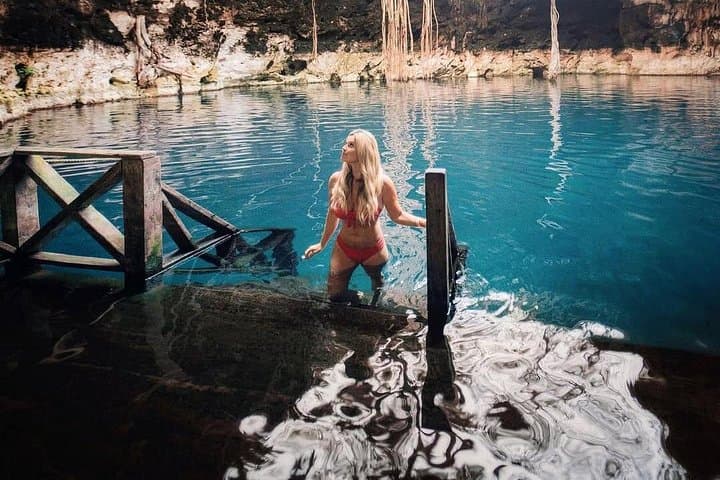
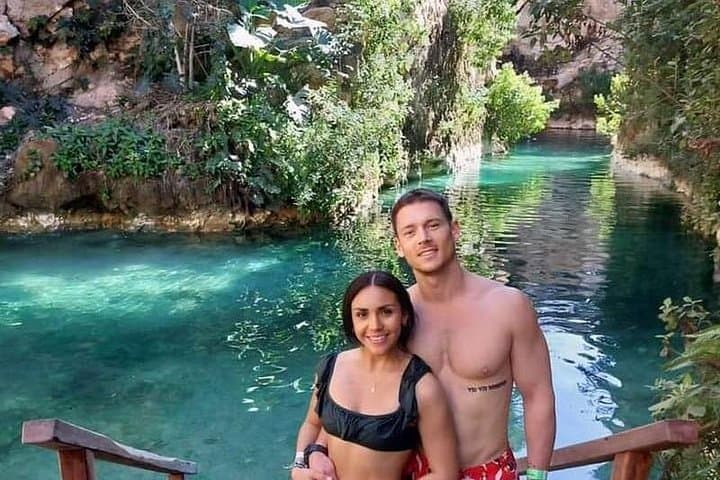
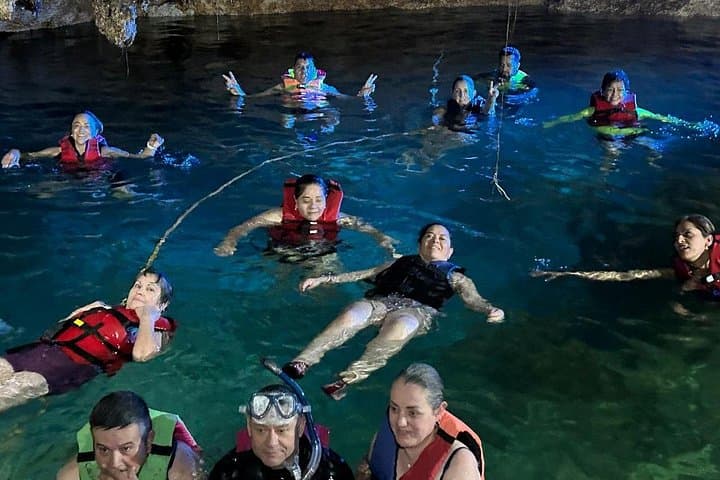
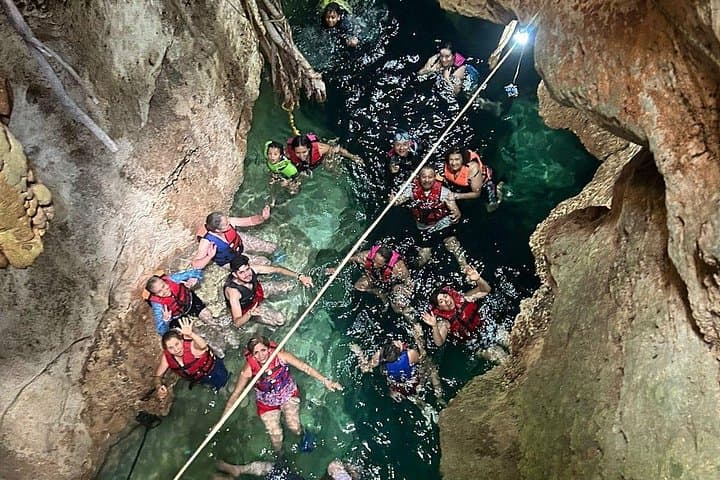
You step off the van or the quirky Santa Bárbara Express and the heat shifts: humid jungle air, a chorus of insects, and the sudden drop of light into turquoise water. The Santa Bárbara cenotes—Cascabel, Chacsikín and Xooch’—present three distinct sinkholes within a compact grove: a cavern pool that feels like a secret, a semi-open pit where sun shafts sharpen the water’s color, and a wide, open cenote ringed by trees.
You step off the van or the quirky Santa Bárbara Express and the heat shifts: humid jungle air, a chorus of insects, and the sudden drop of light into turquoise water. The Santa Bárbara cenotes—Cascabel, Chacsikín and Xooch’—present three distinct sinkholes within a compact grove: a cavern pool that feels like a secret, a semi-open pit where sun shafts sharpen the water’s color, and a wide, open cenote ringed by trees.
Geologically these are karst features carved from Yucatán’s limestone—collapsing caverns and dissolved channels that funnel clear groundwater. Culturally they are tied to Maya practices; cenotes supplied drinking water and were regarded as portals to Xibalbá, the underworld, making them both practical and sacred.
Expect a full-day outing (9–10 hours) that combines transport, bilingual guiding, and multiple swim stops; an optional visit to Homunja cenote is often available for a local fee. Guides explain local history, point out reef-like rock formations and the fragile ecology of the pools. Wildlife is modest but present—birds and small fish frequent the shallows.
Practicalities: wear quick-dry swimwear under light clothing, pack biodegradable sunscreen, water, and cash for optional entrance fees and lunch. Timing matters—early departures avoid larger groups and keep light clean for photography. The itinerary is accessible to most fitness levels but involves steps, ladders, and uneven ground; non-swimmers can still enjoy viewpoints and shallow entries. Leave no trace: use the bathroom and change areas provided, and avoid soaps or lotions in the water to protect the aquifer.