THE ADVENTURE COLLECTIVE® · Independent discovery and booking for outdoor travel

Descend into the Yucatán’s underwater caves on a two-tank cenote dive from Playa del Carmen. This guided, certified-only outing pairs dramatic light shafts and ancient limestone formations with accessible logistics for new cavern divers.
Descend into the Yucatán’s underwater caves on a two-tank cenote dive from Playa del Carmen. This guided, certified-only outing pairs dramatic light shafts and ancient limestone formations with accessible logistics for new cavern divers.
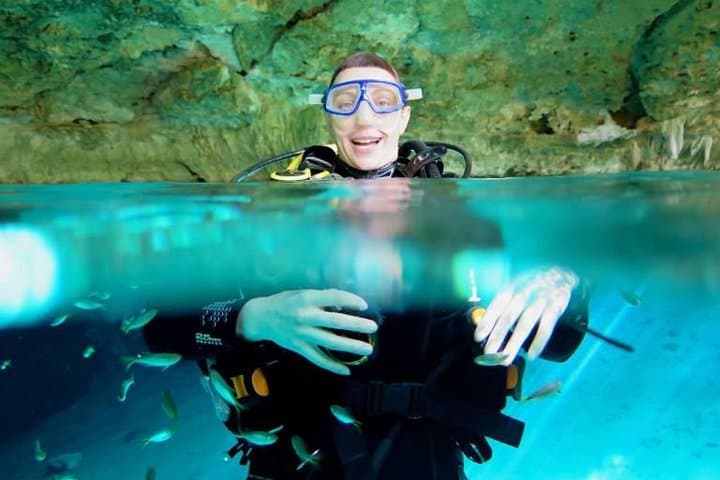
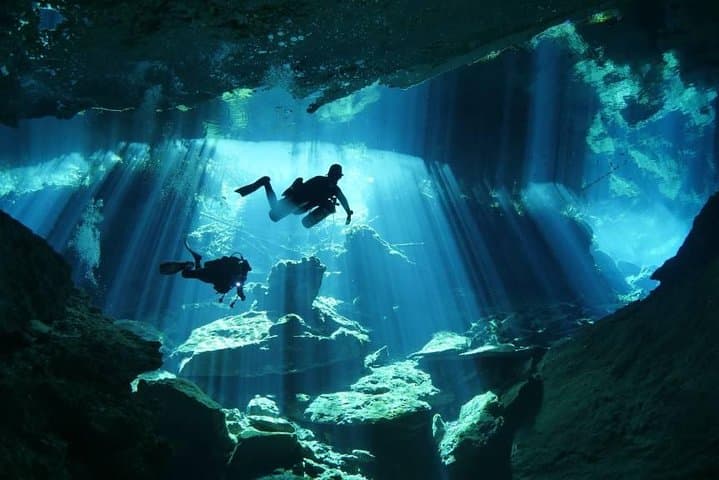
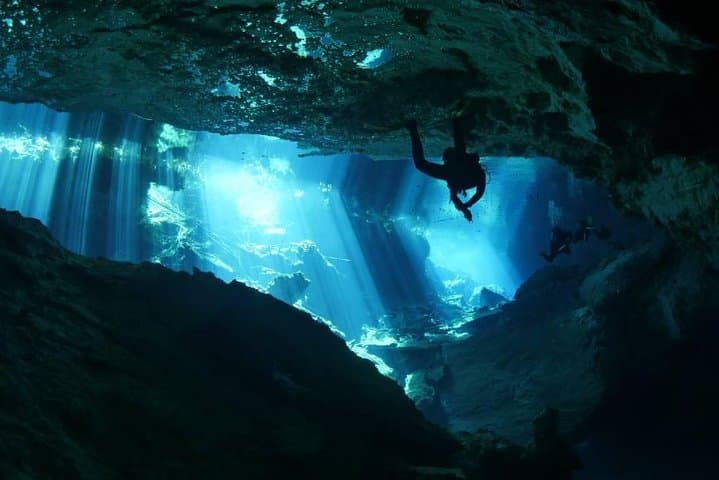
You step off the van into a half-light where limestone caves breathe cool air; shafts of sun cut through cenote openings and the water lies like glass, inviting and opaque. The guide clips your tanks, and the jungle seems to hold its breath as you lower into water that has been carving its way through the Yucatán for millennia.
Verified experiences and guided adventures in the surrounding area.
Operated by Diversland Mexico · Playa del Carmen, Quintana Roo
You step off the van into a half-light where limestone caves breathe cool air; shafts of sun cut through cenote openings and the water lies like glass, inviting and opaque. The guide clips your tanks, and the jungle seems to hold its breath as you lower into water that has been carving its way through the Yucatán for millennia.
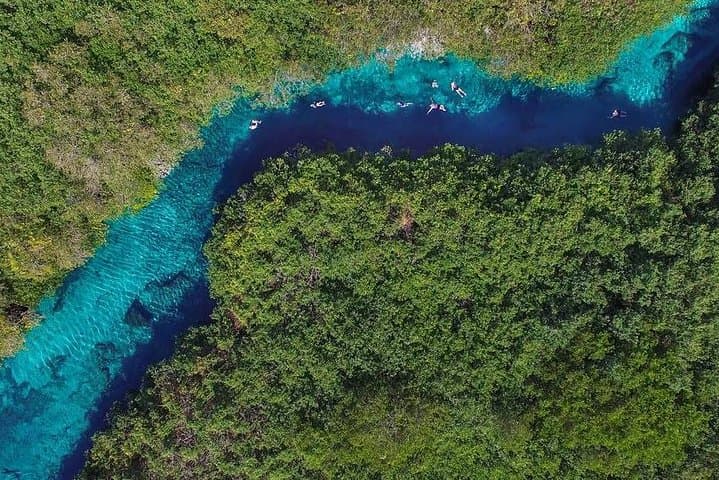
These cenotes—vertical sinkholes and cavern systems that form over porous karst—are the result of collapsed limestone atop a vast underground river network. The Mayan people treated some cenotes as sacred wells and sources of freshwater; today divers explore clear haloclines, fossilized formations and narrow passages shaped by water and time. Expect visibility that can be excellent in protected chambers and more variable near entrances where surface runoff collects.
Typical trips from Playa del Carmen include two guided dives at accessible sites such as Chac Mool, Kukulkan and Nicte Ha, designed for certified Open Water divers. Instructors provide tanks, weights and belts; hotel pickup saves time. Diving here is less about deep walls and more about light, texture and the strange calm of submerged caverns.
Practical guidance: bring certification, logbook and a short wetsuit for thermal comfort (water averages 24–26°C). Surface intervals are spent poolside or on shaded platforms—use that time to hydrate and snack. Be mindful of buoyancy near fragile stalactites and follow the guide’s lines through low-visibility sections. For first cavern dives, choose a calm morning slot to maximize visibility and avoid afternoon runoff. With straightforward logistics and unforgettable underwater scenery, cenote diving in the Riviera Maya is a focused, otherworldly introduction to Mexico’s subterranean seas.
moderate.
5 hours.
Basic aerobic fitness and comfort with confined-space diving; able to carry gear and perform standard scuba skills
Yes; participants must present an Open Water Diver certification (PADI or equivalent) to dive in cenotes.
Depth varies by cenote but introductory dives generally stay within recreational limits (max 18–30m) with guided profiles adjusted to experience level.
They are suitable for certified Open Water divers; first-time cavern divers should stick to guide-led, lighted areas and follow rules about overhead environments.
No diving within 24 hours of flying; people with significant cardiovascular, pulmonary or spinal conditions should consult a doctor before diving.
The Yucatán’s cenotes fed ancient Maya settlements and appear repeatedly in Mayan cosmology as entrances to the underworld; many were important freshwater sources.
Cenotes are vulnerable to contamination from runoff and sunscreen—use biodegradable products, follow guide instructions and avoid touching formations to protect fragile cave chemistry.
Diversland Mexico operates guided outdoor trips and adventures with an emphasis on safety, stewardship, and memorable experiences.
You step off the van into a half-light where limestone caves breathe cool air; shafts of sun cut through cenote openings and the water lies like glass, inviting and opaque. The guide clips your tanks, and the jungle seems to hold its breath as you lower into water that has been carving its way through the Yucatán for millennia.
You step off the van into a half-light where limestone caves breathe cool air; shafts of sun cut through cenote openings and the water lies like glass, inviting and opaque. The guide clips your tanks, and the jungle seems to hold its breath as you lower into water that has been carving its way through the Yucatán for millennia.
These cenotes—vertical sinkholes and cavern systems that form over porous karst—are the result of collapsed limestone atop a vast underground river network. The Mayan people treated some cenotes as sacred wells and sources of freshwater; today divers explore clear haloclines, fossilized formations and narrow passages shaped by water and time. Expect visibility that can be excellent in protected chambers and more variable near entrances where surface runoff collects.
Typical trips from Playa del Carmen include two guided dives at accessible sites such as Chac Mool, Kukulkan and Nicte Ha, designed for certified Open Water divers. Instructors provide tanks, weights and belts; hotel pickup saves time. Diving here is less about deep walls and more about light, texture and the strange calm of submerged caverns.
Practical guidance: bring certification, logbook and a short wetsuit for thermal comfort (water averages 24–26°C). Surface intervals are spent poolside or on shaded platforms—use that time to hydrate and snack. Be mindful of buoyancy near fragile stalactites and follow the guide’s lines through low-visibility sections. For first cavern dives, choose a calm morning slot to maximize visibility and avoid afternoon runoff. With straightforward logistics and unforgettable underwater scenery, cenote diving in the Riviera Maya is a focused, otherworldly introduction to Mexico’s subterranean seas.