THE ADVENTURE COLLECTIVE® · Independent discovery and booking for outdoor travel

Explore three of the Riviera Maya’s most compelling cenotes—Dos Ojos, the Bat cavern and the Pit—on a full-day, guided dive trip. Expect crystalline visibility, stalactite-decorated chambers and guided profiles for certified divers.
Explore three of the Riviera Maya’s most compelling cenotes—Dos Ojos, the Bat cavern and the Pit—on a full-day, guided dive trip. Expect crystalline visibility, stalactite-decorated chambers and guided profiles for certified divers.
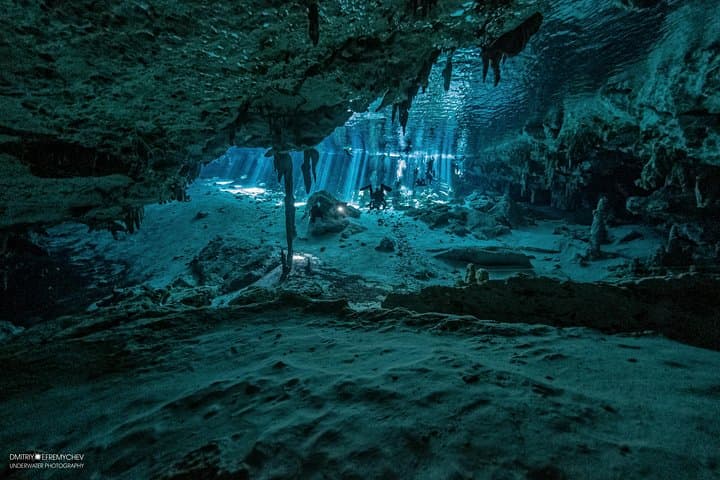
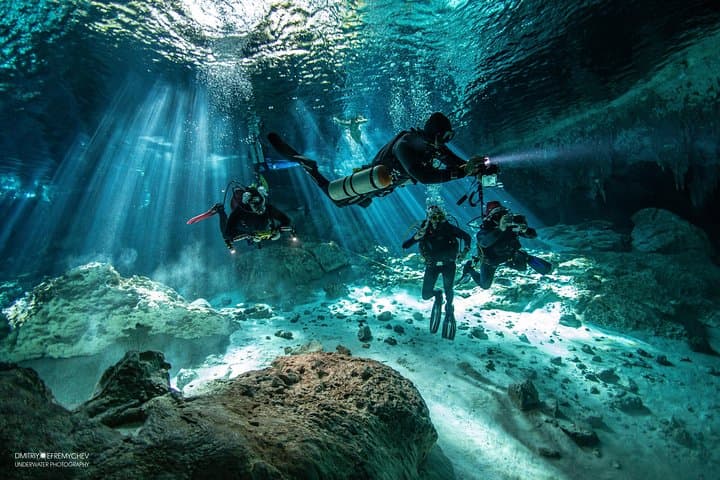
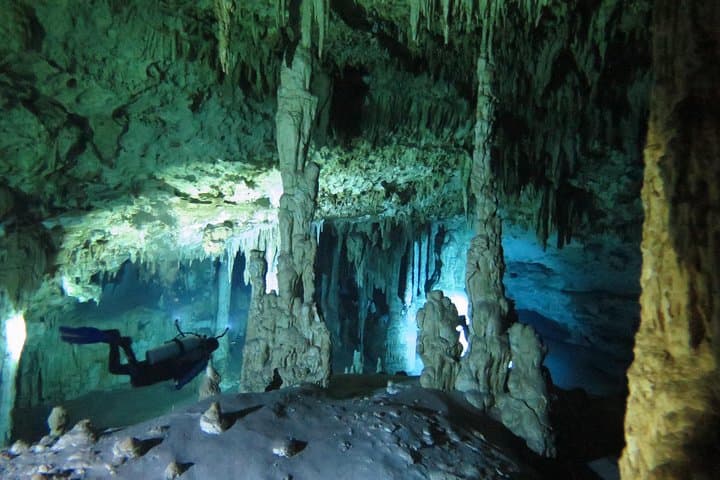
You step off the shaded trail into a shaft of light and the water stares back—glass-clear, a soft blue that seems to hold the sky. The first breaths underwater are a sharpening of senses: rock spines, lace-like stalactites, and columns that reach from floor to roof like geological columns frozen mid-growth. This is Dos Ojos, one of the Yucatán’s most visited cenote systems, paired here with the deeper, moodier Pit and a bat-filled cavern that gives the tour its name.
Verified experiences and guided adventures in the surrounding area.
Operated by Diversland Mexico · Playa del Carmen, Quintana Roo
You step off the shaded trail into a shaft of light and the water stares back—glass-clear, a soft blue that seems to hold the sky. The first breaths underwater are a sharpening of senses: rock spines, lace-like stalactites, and columns that reach from floor to roof like geological columns frozen mid-growth. This is Dos Ojos, one of the Yucatán’s most visited cenote systems, paired here with the deeper, moodier Pit and a bat-filled cavern that gives the tour its name.
Geology here tells a long story: rainwater has eaten through limestone for hundreds of thousands of years, building flooded caves and vertical sinkholes where fresh water sits over denser seawater. The Maya revered cenotes as water sources and ritual sites—many still hold archaeological traces—and today these caverns are both scientific archives and adrenaline playgrounds for certified divers.
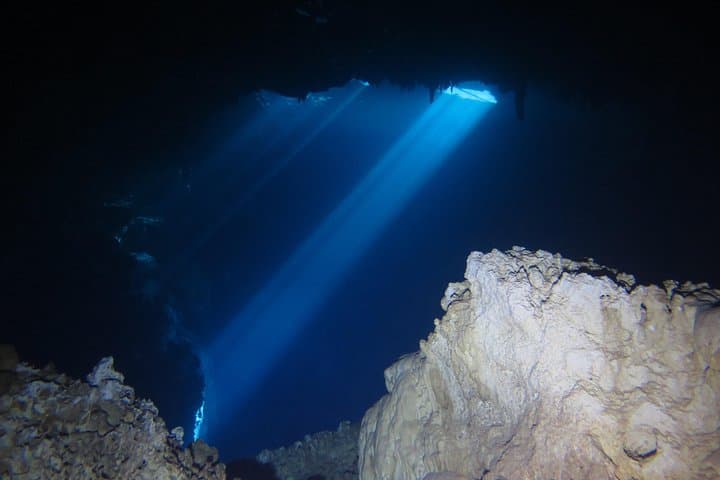
Expect tight light shafts, freshwater haloclines, and decorated ceilings where mineral deposits have grown into delicate formations. Guides typically run three dives: cavern or shallow cave passages at Dos Ojos, a deeper profile at The Pit (where visibility and depth change rapidly), and a smaller bat alcove with hanging colonies above the water.
Practical edge: a valid Open Water (or equivalent) card is required; good buoyancy and conservative depth limits matter here—many guided profiles stay within recreational limits but can approach 25–30 m in parts. Wear a thin wetsuit for thermal comfort, avoid lotions that pollute the water, and plan no air travel within 24 hours of diving. With clear water, delicate formations, and an otherworldly silence, these cenotes deliver technical interest and scenic reward in a single, full-day outing.
challenging.
6–8 hours.
Moderate to fit—comfortable swimming, prolonged breath-control and sustained buoyancy control help; expect multiple surface swims and exit climbs.
Yes—participants must present Open Water Diver (PADI or equivalent) certification for the guided certified dives included on this trip.
Guided dives visit varying depths; some passages and The Pit can approach 25–32 m, but guides plan profiles to stay within recreational limits appropriate for certified divers.
Bats inhabit many cenotes, especially in sheltered caverns; sightings depend on time of day and disturbance levels, so encounters are common but not guaranteed.
Beginner snorkelers can sometimes access shallow cenote areas, but certified dive participants must hold Open Water certification—check with the operator about beginner-friendly options.
Cenotes were central to Maya communities for water and ritual; many sites around Dos Ojos show continuing cultural significance and archaeological finds.
Cenote ecosystems are fragile—use biodegradable sunscreens, avoid touching formations, and follow guide rules to protect water quality and speleothems.
Diversland Mexico operates guided outdoor trips and adventures with an emphasis on safety, stewardship, and memorable experiences.
You step off the shaded trail into a shaft of light and the water stares back—glass-clear, a soft blue that seems to hold the sky. The first breaths underwater are a sharpening of senses: rock spines, lace-like stalactites, and columns that reach from floor to roof like geological columns frozen mid-growth. This is Dos Ojos, one of the Yucatán’s most visited cenote systems, paired here with the deeper, moodier Pit and a bat-filled cavern that gives the tour its name.
You step off the shaded trail into a shaft of light and the water stares back—glass-clear, a soft blue that seems to hold the sky. The first breaths underwater are a sharpening of senses: rock spines, lace-like stalactites, and columns that reach from floor to roof like geological columns frozen mid-growth. This is Dos Ojos, one of the Yucatán’s most visited cenote systems, paired here with the deeper, moodier Pit and a bat-filled cavern that gives the tour its name.
Geology here tells a long story: rainwater has eaten through limestone for hundreds of thousands of years, building flooded caves and vertical sinkholes where fresh water sits over denser seawater. The Maya revered cenotes as water sources and ritual sites—many still hold archaeological traces—and today these caverns are both scientific archives and adrenaline playgrounds for certified divers.
Expect tight light shafts, freshwater haloclines, and decorated ceilings where mineral deposits have grown into delicate formations. Guides typically run three dives: cavern or shallow cave passages at Dos Ojos, a deeper profile at The Pit (where visibility and depth change rapidly), and a smaller bat alcove with hanging colonies above the water.
Practical edge: a valid Open Water (or equivalent) card is required; good buoyancy and conservative depth limits matter here—many guided profiles stay within recreational limits but can approach 25–30 m in parts. Wear a thin wetsuit for thermal comfort, avoid lotions that pollute the water, and plan no air travel within 24 hours of diving. With clear water, delicate formations, and an otherworldly silence, these cenotes deliver technical interest and scenic reward in a single, full-day outing.