THE ADVENTURE COLLECTIVE® · Independent discovery and booking for outdoor travel

Step into a small rural pub in County Clare for a 90-minute Celtic Dance Party led by a local instructor. Expect hands-on set dancing, live traditional music, and a warm community atmosphere—no experience required.
Step into a small rural pub in County Clare for a 90-minute Celtic Dance Party led by a local instructor. Expect hands-on set dancing, live traditional music, and a warm community atmosphere—no experience required.
The pub door opens onto a warm, crowded room: low wooden beams, a well-worn floor that remembers a hundred jigs, and the quick, bright bow of a fiddle. Louise O'Connor steps forward — Clare-born, steeped in local tunes — and the room rearranges itself into lines and circles. Laughter steadies the rhythm; hands find partners; the music dares you not to move.
Verified experiences and guided adventures in the surrounding area.
Operated by Celtic Dance Party · Shannon, County Clare
The pub door opens onto a warm, crowded room: low wooden beams, a well-worn floor that remembers a hundred jigs, and the quick, bright bow of a fiddle. Louise O'Connor steps forward — Clare-born, steeped in local tunes — and the room rearranges itself into lines and circles. Laughter steadies the rhythm; hands find partners; the music dares you not to move.
Set dancing has long been a social engine in rural Ireland. Rooted in 18th–19th century community gatherings, these group dances combine French quadrille shapes with Irish reels and hornpipes. County Clare, famous for its fiddlers and session culture, gives the dances a direct, no-frills energy: precise footwork, clear phrasing, and an emphasis on communal participation rather than performance.
Expect a ninety-minute session led step-by-step for newcomers, followed by open social dancing. The floor can be lively and slightly uneven — grippy shoes help — and the pace builds as confidence grows. The event is wheelchair- and stroller-accessible and welcomes all ages, but it’s not recommended for guests with serious spinal or heart problems. Bring layers for chilly evenings, a small amount of spending money for the bar, and a readiness to join in; no prior dance experience is required.
Practical tips: arrive early to secure a spot, follow the caller’s cues, and be mindful of local customs — applause and eye contact are appreciated. The party is as much about music and community as it is about steps: by the end you’ll have learned moves, met locals, and carried a piece of Clare’s living tradition back with you.
easy.
1.5 hours.
Suitable for most fitness levels; light aerobic stamina and basic mobility help for repeated steps and standing periods
No — the session is taught step-by-step for beginners and paced to bring everyone into the set.
Yes — the activity listing notes wheelchair and stroller accessibility; contact the operator if you have specific mobility needs.
Families are welcome; the experience is suitable for a wide range of ages, though active participation depends on the child’s comfort level.
For a full refund, cancel at least 24 hours before the scheduled start time; late cancellations are typically non-refundable.
Set dancing evolved from social assemblies in the 18th–19th centuries; County Clare’s tradition of fiddling and sean-nós singing has kept communal dance and music central to local culture.
Support local pubs and musicians by buying drinks or tipping; use public transport where possible and minimize noise/waste to preserve community venues.
Celtic Dance Party operates guided outdoor trips and adventures with an emphasis on safety, stewardship, and memorable experiences.
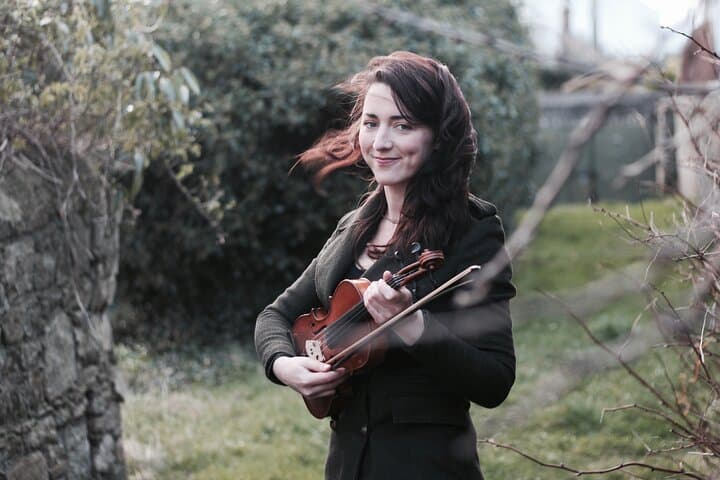
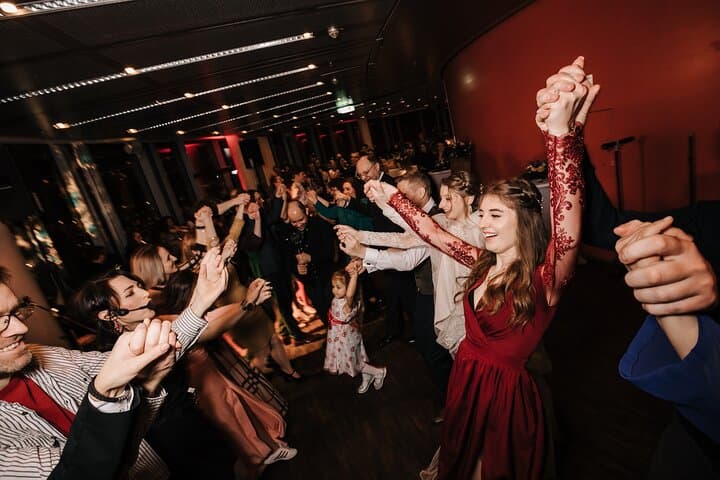
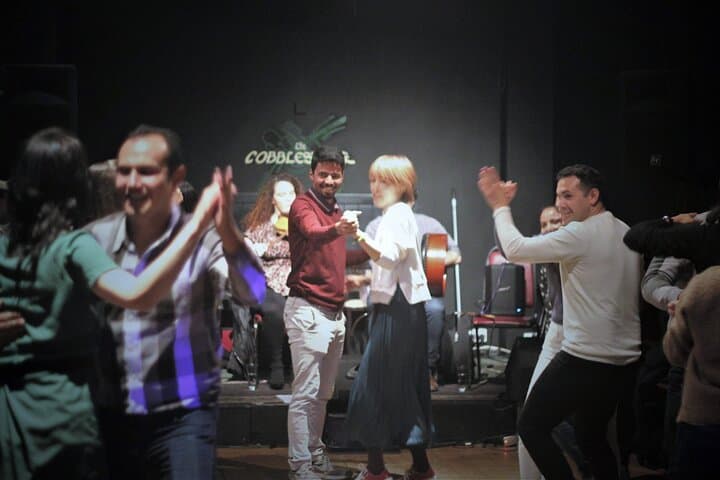
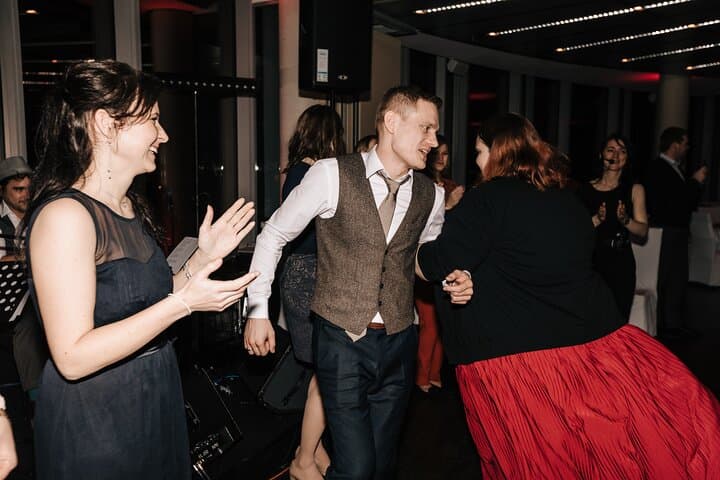
The pub door opens onto a warm, crowded room: low wooden beams, a well-worn floor that remembers a hundred jigs, and the quick, bright bow of a fiddle. Louise O'Connor steps forward — Clare-born, steeped in local tunes — and the room rearranges itself into lines and circles. Laughter steadies the rhythm; hands find partners; the music dares you not to move.
The pub door opens onto a warm, crowded room: low wooden beams, a well-worn floor that remembers a hundred jigs, and the quick, bright bow of a fiddle. Louise O'Connor steps forward — Clare-born, steeped in local tunes — and the room rearranges itself into lines and circles. Laughter steadies the rhythm; hands find partners; the music dares you not to move.
Set dancing has long been a social engine in rural Ireland. Rooted in 18th–19th century community gatherings, these group dances combine French quadrille shapes with Irish reels and hornpipes. County Clare, famous for its fiddlers and session culture, gives the dances a direct, no-frills energy: precise footwork, clear phrasing, and an emphasis on communal participation rather than performance.
Expect a ninety-minute session led step-by-step for newcomers, followed by open social dancing. The floor can be lively and slightly uneven — grippy shoes help — and the pace builds as confidence grows. The event is wheelchair- and stroller-accessible and welcomes all ages, but it’s not recommended for guests with serious spinal or heart problems. Bring layers for chilly evenings, a small amount of spending money for the bar, and a readiness to join in; no prior dance experience is required.
Practical tips: arrive early to secure a spot, follow the caller’s cues, and be mindful of local customs — applause and eye contact are appreciated. The party is as much about music and community as it is about steps: by the end you’ll have learned moves, met locals, and carried a piece of Clare’s living tradition back with you.