THE ADVENTURE COLLECTIVE® · Independent discovery and booking for outdoor travel

Spend a day paddling a handmade cedar canoe along Lithuania’s Curonian Spit, gliding past migrating dunes, fishermen’s villages and the Pervalka Lighthouse. This full-day guided tour mixes hands-on paddling with natural and cultural interpretation—ideal for active travelers who want an immersive coastal experience.
Spend a day paddling a handmade cedar canoe along Lithuania’s Curonian Spit, gliding past migrating dunes, fishermen’s villages and the Pervalka Lighthouse. This full-day guided tour mixes hands-on paddling with natural and cultural interpretation—ideal for active travelers who want an immersive coastal experience.
A cedar strip canoe cuts a low, steady silhouette across the Curonian Lagoon as wind and water map a slow route between sea and dune. The guide’s paddle sketches a quiet rhythm; gulls tilt and the spit’s migrating dunes loom like a living wall, sand slipping and reshaping with each gust.
Verified experiences and guided adventures in the surrounding area.
Operated by Wet Weim Adventure Company · Nida, Klaipėda County
A cedar strip canoe cuts a low, steady silhouette across the Curonian Lagoon as wind and water map a slow route between sea and dune. The guide’s paddle sketches a quiet rhythm; gulls tilt and the spit’s migrating dunes loom like a living wall, sand slipping and reshaping with each gust.
This narrow finger of land has been sculpted by wind and currents for millennia and earned UNESCO protection for its striking geomorphology and cultural villages. Fishing settlements—weathered wood and stoic nets—mark the human history of the spit, while the Pervalka Lighthouse stands as a functional landmark at the seam of lagoon and Baltic beyond.
Geology here is immediate: towering mobile dunes, thin strips of pine forest clinging to windward edges, and shallow lagoon waters that warm quickly in summer. The tour pairs the physical act of paddling with interpretive stops—your guide explains sand migration, local bird migration corridors, and how traditional fishermen read tides and wind.
Practically, expect a full-day outing (6–8 hours) with ferry transfers, a professional English-speaking guide, dry bags, life jackets and a picnic. Dress in layers, bring sun protection and a change of clothes—winds can chill even on bright days and the lagoon dares you to stay dry. Basic paddling technique and swimming ability are required; organizers recommend comfortable footwear that can get wet.
For travelers seeking a mix of effortless scenery and active exploration, this cedar-canoe paddle is a hands-on way to meet one of the Baltic’s most dynamic landscapes.
moderate.
6–8 hours.
Should be comfortable paddling intermittently for several hours and able to swim; basic endurance and core strength recommended
Minimum age is 10; participants should be able to swim and handle intermittent paddling for several hours.
The tour operates in most conditions but may be canceled for strong winds; if canceled you’ll be offered an alternative date or full refund.
Hotel and port pickup and drop-off are included; ferry fees and National Park fees are covered in the tour price.
Food for the picnic is provided; guests are asked not to bring alcohol onboard.
The Curonian Spit has been shaped by centuries of wind-driven sand and human fishing culture; its villages and dunes reflect continuous interaction between people and shifting shoreline.
The spit is a protected UNESCO landscape—stay on designated paths, avoid climbing active dunes, and follow guide instructions to minimize erosion and disturbance.
Wet Weim Adventure Company operates guided outdoor trips and adventures with an emphasis on safety, stewardship, and memorable experiences.
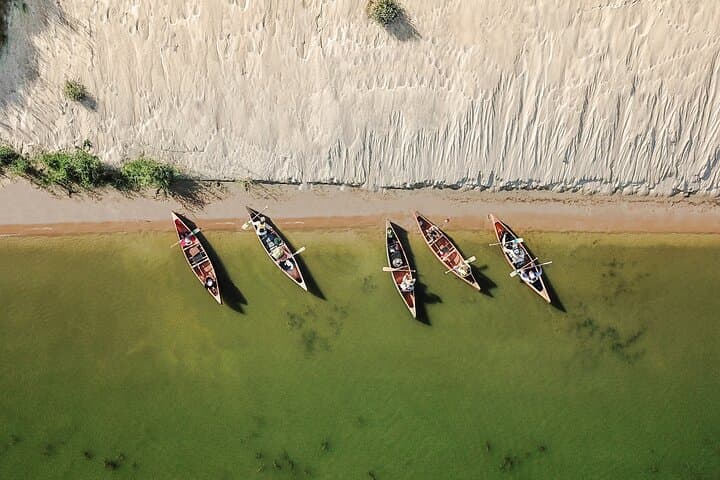
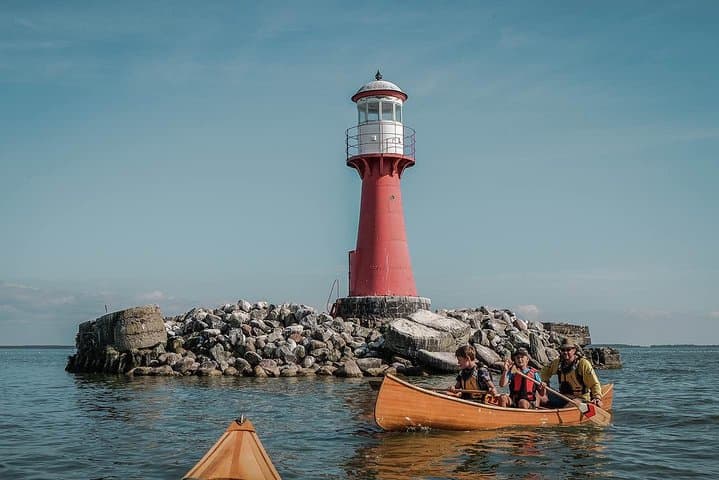
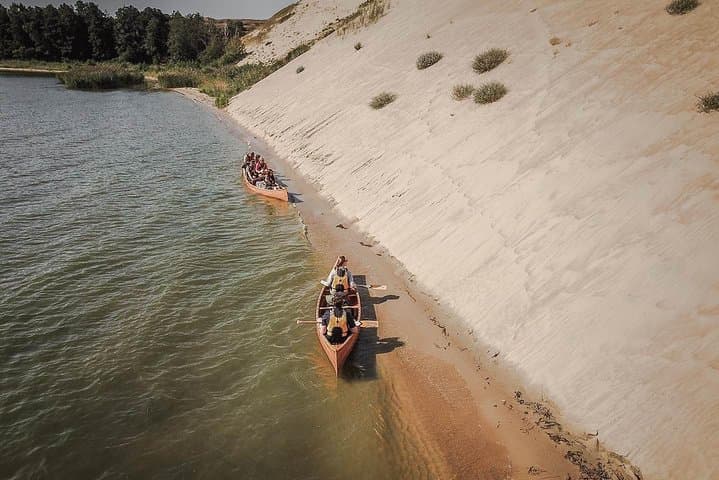
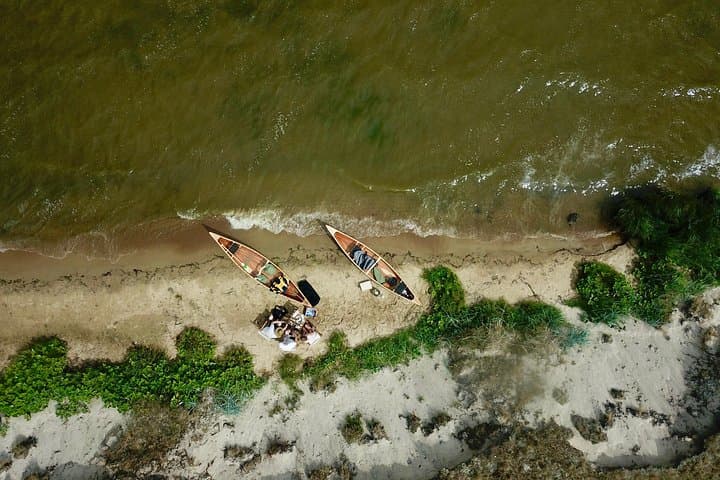
A cedar strip canoe cuts a low, steady silhouette across the Curonian Lagoon as wind and water map a slow route between sea and dune. The guide’s paddle sketches a quiet rhythm; gulls tilt and the spit’s migrating dunes loom like a living wall, sand slipping and reshaping with each gust.
A cedar strip canoe cuts a low, steady silhouette across the Curonian Lagoon as wind and water map a slow route between sea and dune. The guide’s paddle sketches a quiet rhythm; gulls tilt and the spit’s migrating dunes loom like a living wall, sand slipping and reshaping with each gust.
This narrow finger of land has been sculpted by wind and currents for millennia and earned UNESCO protection for its striking geomorphology and cultural villages. Fishing settlements—weathered wood and stoic nets—mark the human history of the spit, while the Pervalka Lighthouse stands as a functional landmark at the seam of lagoon and Baltic beyond.
Geology here is immediate: towering mobile dunes, thin strips of pine forest clinging to windward edges, and shallow lagoon waters that warm quickly in summer. The tour pairs the physical act of paddling with interpretive stops—your guide explains sand migration, local bird migration corridors, and how traditional fishermen read tides and wind.
Practically, expect a full-day outing (6–8 hours) with ferry transfers, a professional English-speaking guide, dry bags, life jackets and a picnic. Dress in layers, bring sun protection and a change of clothes—winds can chill even on bright days and the lagoon dares you to stay dry. Basic paddling technique and swimming ability are required; organizers recommend comfortable footwear that can get wet.
For travelers seeking a mix of effortless scenery and active exploration, this cedar-canoe paddle is a hands-on way to meet one of the Baltic’s most dynamic landscapes.