
Cebu City History and Food Journey: Full-Day Cultural Tour
Trace Cebu’s layered past on a full‑day guided tour that links Magellan’s Cross, Fort San Pedro, local temples, and a hillside viewpoint. Expect urban walks, street‑food stops, and practical historical context that brings the city’s colonial and trading history to life.
An Adventure In Cebu City.
Trace Cebu’s layered past on a full‑day guided tour that links Magellan’s Cross, Fort San Pedro, local temples, and a hillside viewpoint. Expect urban walks, street‑food stops, and practical historical context that brings the city’s colonial and trading history to life.
Read the full experience
The day opens on a humid Cebu morning as the driver eases through streets where old stone walls and hawker carts sit shoulder to shoulder. Sunlight puddles on the harbor; the breeze from Mactan nudges the palms and carries the first calls of market vendors. Walking beneath weathered Spanish masonry and through narrow alleys, the city feels like a living ledger of encounters — colonial, Chinese, and indigenous — that shaped modern Cebu.
The day opens on a humid Cebu morning as the driver eases through streets where old stone walls and hawker carts sit shoulder to shoulder. Sunlight puddles on the harbor; the breeze from Mactan nudges the palms and carries the first calls of market vendors. Walking beneath weathered Spanish masonry and through narrow alleys, the city feels like a living ledger of encounters — colonial, Chinese, and indigenous — that shaped modern Cebu.
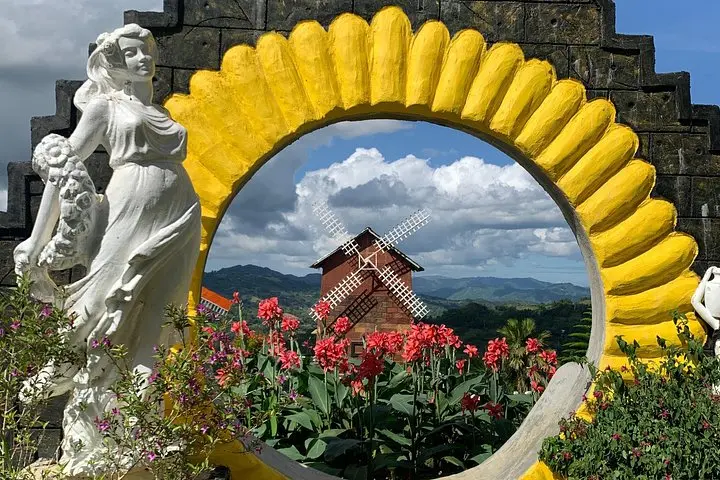
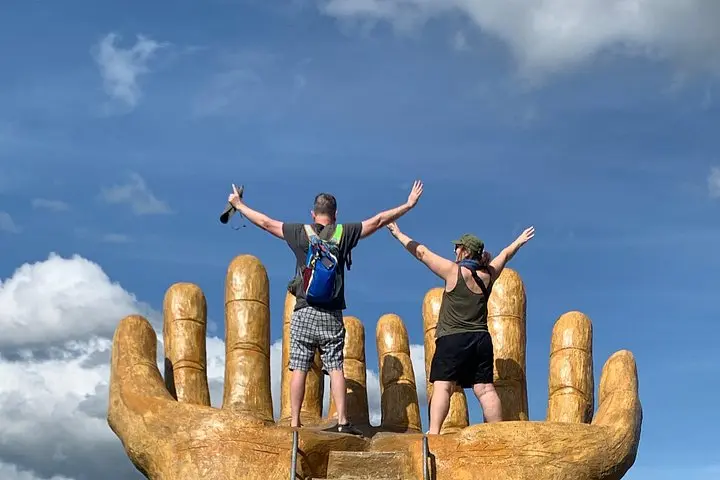
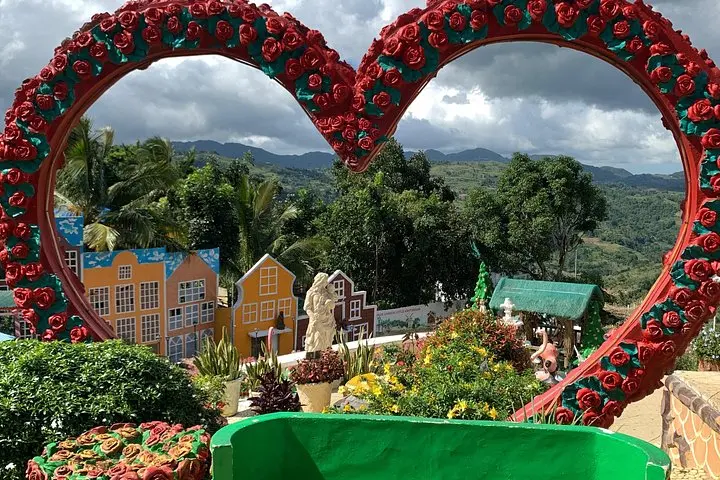
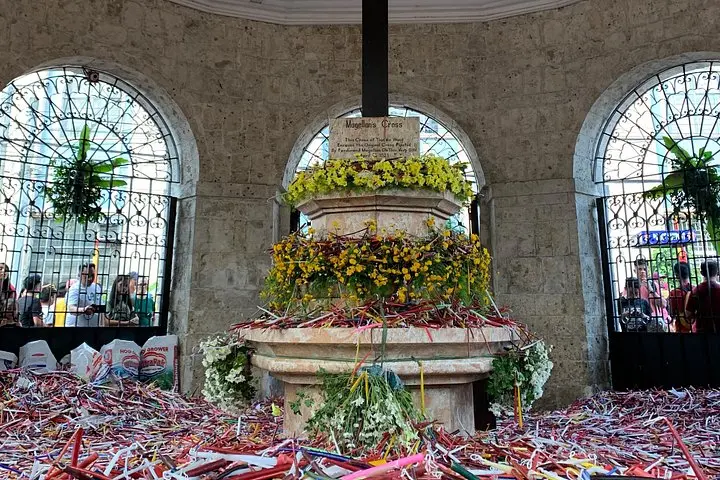
This full-day tour strings together key sites: Magellan’s Cross and the Basilica del Santo Niño, Fort San Pedro with its 16th‑century masonry, the Parian sculptural monument tracing Cebu’s revolutionary era, and newer curiosities like the Temple of Leah and the hillside TOPS viewpoint. Geologically the island is volcanic and karstic; limestone blocks show up in fort walls and old churches. Culturally, Cebu is a trading hub — Chinese merchant traditions, Spanish missionary influence, and Visayan language and cuisine all overlap in the markets and barrios.
Expect a mix of short walks, stair climbs, and time on city streets; stops include short museum visits and photo points with brief narratives from a guide. Practical notes: wear breathable walking shoes and sun protection, bring small bills for entrance fees and snacks, and schedule the rooftop or TOPS visit for late afternoon light. Bring a lightweight rain layer during the monsoon months and allow time for traffic between dispersed sites.
The tour suits travelers who want structured interpretation of Cebu’s layered past alongside tastings of local street food — a pragmatic, sensory way to read the city’s history while moving through it.
Frequently asked questions
This tour commonly offers pickup; confirm your pickup point when booking and expect central Cebu City pickup options.
The tour includes guided food tastings or local stops, but full meals and some snack purchases are typically at your own expense unless specified.
The tour is family‑friendly but some historic sites have steps and narrow passages that make full stroller access difficult.
Guides generally speak English and may offer local language support; check the provider’s listing for specific language options.
About This Experience
Best Guide in Cebu operates guided outdoor trips and adventures with an emphasis on safety, stewardship, and memorable experiences.
Adventure tips
Recommended gear
- Comfortable walking shoes: Supports cobblestones, stairs, and city sidewalks encountered across the tour.
- Reusable water bottle: Keeps you hydrated in Cebu’s heat — many stops have refill options or vendors nearby.
- Lightweight rain jacket or poncho: Quick protection during tropical downpours, especially June–November.
- Sun hat and sunscreen: Protects against strong sun during outdoor segments and market visits.
Photos of the experience
Related adventures & guides
Read the full experience
The day opens on a humid Cebu morning as the driver eases through streets where old stone walls and hawker carts sit shoulder to shoulder. Sunlight puddles on the harbor; the breeze from Mactan nudges the palms and carries the first calls of market vendors. Walking beneath weathered Spanish masonry and through narrow alleys, the city feels like a living ledger of encounters — colonial, Chinese, and indigenous — that shaped modern Cebu.
The day opens on a humid Cebu morning as the driver eases through streets where old stone walls and hawker carts sit shoulder to shoulder. Sunlight puddles on the harbor; the breeze from Mactan nudges the palms and carries the first calls of market vendors. Walking beneath weathered Spanish masonry and through narrow alleys, the city feels like a living ledger of encounters — colonial, Chinese, and indigenous — that shaped modern Cebu.
This full-day tour strings together key sites: Magellan’s Cross and the Basilica del Santo Niño, Fort San Pedro with its 16th‑century masonry, the Parian sculptural monument tracing Cebu’s revolutionary era, and newer curiosities like the Temple of Leah and the hillside TOPS viewpoint. Geologically the island is volcanic and karstic; limestone blocks show up in fort walls and old churches. Culturally, Cebu is a trading hub — Chinese merchant traditions, Spanish missionary influence, and Visayan language and cuisine all overlap in the markets and barrios.
Expect a mix of short walks, stair climbs, and time on city streets; stops include short museum visits and photo points with brief narratives from a guide. Practical notes: wear breathable walking shoes and sun protection, bring small bills for entrance fees and snacks, and schedule the rooftop or TOPS visit for late afternoon light. Bring a lightweight rain layer during the monsoon months and allow time for traffic between dispersed sites.
The tour suits travelers who want structured interpretation of Cebu’s layered past alongside tastings of local street food — a pragmatic, sensory way to read the city’s history while moving through it.
Make a day of it nearby.
Verified experiences and guided adventures in the surrounding area.