THE ADVENTURE COLLECTIVE® · Independent discovery and booking for outdoor travel

Visit the Emilio F. Aguinaldo Shrine and a handful of cultural sites in Kawit, Cavite on a 5–7 hour private tour that mixes Philippine history, quiet convent gardens, and local pasalubong shopping. Ideal for history buffs and first-time visitors seeking a concise cultural loop.
Visit the Emilio F. Aguinaldo Shrine and a handful of cultural sites in Kawit, Cavite on a 5–7 hour private tour that mixes Philippine history, quiet convent gardens, and local pasalubong shopping. Ideal for history buffs and first-time visitors seeking a concise cultural loop.
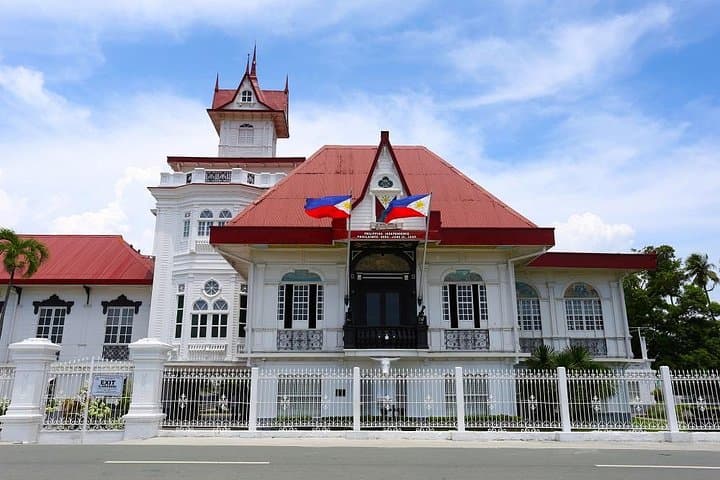
Morning light falls across a broad wooden balcony where the Philippine flag first rose in 1898—this is the starting scene of a day in Kawit, Cavite.
Verified experiences and guided adventures in the surrounding area.
Operated by CTPH TOUR · Kawit, Cavite
Morning light falls across a broad wooden balcony where the Philippine flag first rose in 1898—this is the starting scene of a day in Kawit, Cavite.
You begin at the Emilio F. Aguinaldo Shrine, a painted bahay-na-bato with carved ceilings and the balcony where the Declaration of Independence was read. The house’s rooms feel like stages from a turning point in Philippine history, and the preserved artifacts give tangible shape to the narrative of late 19th-century revolt and nation-building.
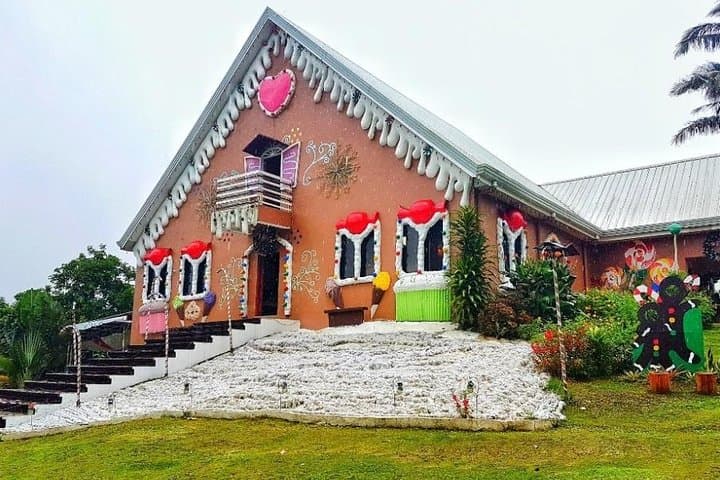
From there the route threads through local culture: the Museo de La Salle, which preserves ilustrado-era objects and university collections; the Pink Sisters convent, where quiet gardens and pine-shaded pathways slow the city’s pulse; and vernacular curiosities like the Gingerbread House and Pasalubong centers selling local sweets and crafts.
Geology and geography are subtle here—this lowland coastal plain opens toward Manila Bay and was historically strategic for maritime trade and colonial administration, which is why so many colonial homes cluster in Cavite towns.
Practical edge: this private, air-conditioned van tour lasts about 5–7 hours and includes most entrance fees. Expect several short walks on paved streets and museum floors—comfortable shoes and a light layer are sensible. Bring sunscreen, a hat, and small bills for souvenirs and optional entries (Reptiland, Residence Inn Zoo). Start early to avoid afternoon humidity and Manila-to-Cavite traffic.
Respect religious spaces: the Pink Sisters remain a place of prayer—observe silence rules. The day balances living community life and national memory, offering history, quiet gardens, and pockets of local flavor in one accessible loop.
easy.
5–7 hours.
Minimal fitness required; able to walk short distances and climb a few shallow stairs
The private tour runs approximately 5–7 hours (300–420 minutes), including stops at the shrine, museums, and local sites.
Most standard entrance fees are included, but some optional attractions (e.g., Reptiland, Residence Inn Zoo) may require separate payment.
Yes—the itinerary is rated easy with short walks and mostly flat terrain; infants should sit on laps as required.
Photography is allowed in most outdoor areas; check at each museum or chapel—some interiors may restrict flash or require quiet.
Kawit was the site of the proclamation of Philippine independence on June 12, 1898; the Aguinaldo house served as Emilio Aguinaldo’s residence and government seat during that period.
Local sites balance tourism with preservation—stick to marked paths, avoid touching artifacts, and support charitable pasalubong shops that fund community programs.
CTPH TOUR operates guided outdoor trips and adventures with an emphasis on safety, stewardship, and memorable experiences.
Morning light falls across a broad wooden balcony where the Philippine flag first rose in 1898—this is the starting scene of a day in Kawit, Cavite.
Morning light falls across a broad wooden balcony where the Philippine flag first rose in 1898—this is the starting scene of a day in Kawit, Cavite.
You begin at the Emilio F. Aguinaldo Shrine, a painted bahay-na-bato with carved ceilings and the balcony where the Declaration of Independence was read. The house’s rooms feel like stages from a turning point in Philippine history, and the preserved artifacts give tangible shape to the narrative of late 19th-century revolt and nation-building.
From there the route threads through local culture: the Museo de La Salle, which preserves ilustrado-era objects and university collections; the Pink Sisters convent, where quiet gardens and pine-shaded pathways slow the city’s pulse; and vernacular curiosities like the Gingerbread House and Pasalubong centers selling local sweets and crafts.
Geology and geography are subtle here—this lowland coastal plain opens toward Manila Bay and was historically strategic for maritime trade and colonial administration, which is why so many colonial homes cluster in Cavite towns.
Practical edge: this private, air-conditioned van tour lasts about 5–7 hours and includes most entrance fees. Expect several short walks on paved streets and museum floors—comfortable shoes and a light layer are sensible. Bring sunscreen, a hat, and small bills for souvenirs and optional entries (Reptiland, Residence Inn Zoo). Start early to avoid afternoon humidity and Manila-to-Cavite traffic.
Respect religious spaces: the Pink Sisters remain a place of prayer—observe silence rules. The day balances living community life and national memory, offering history, quiet gardens, and pockets of local flavor in one accessible loop.