THE ADVENTURE COLLECTIVE® · Independent discovery and booking for outdoor travel

Explore winding passages, rare calcite formations and historic chambers at Cavinti Cave Complex. This beginner-friendly spelunking tour blends geology, local history, and hands-on cave travel with transfers from Laguna or Manila.
Explore winding passages, rare calcite formations and historic chambers at Cavinti Cave Complex. This beginner-friendly spelunking tour blends geology, local history, and hands-on cave travel with transfers from Laguna or Manila.
You duck beneath a low band of limestone and the wet air closes behind you — the cave breathes slowly, moving the light from your headlamp across calcite curtains and fluted columns. Water has been the architect here for millennia; each drip polishes a surface and pulls the passage forward until it opens into a chamber that hums with silence and the distant trickle of pools.
Verified experiences and guided adventures in the surrounding area.
Operated by Yolo Travel Philippines · Cavinti, Laguna
You duck beneath a low band of limestone and the wet air closes behind you — the cave breathes slowly, moving the light from your headlamp across calcite curtains and fluted columns. Water has been the architect here for millennia; each drip polishes a surface and pulls the passage forward until it opens into a chamber that hums with silence and the distant trickle of pools.
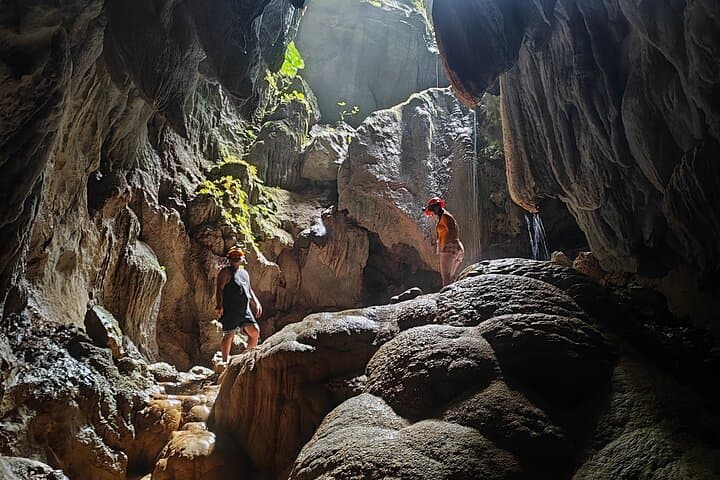
Cavinti Cave is one of the Philippines’ larger cave systems and shows classic karst geology: stalactites, stalagmites, straws, and flowstones layered where rainwater seeped through limestone. Locals also remember the complex as a shelter and ceremonial site during Spanish colonial unrest, giving the caverns cultural as well as geological significance.
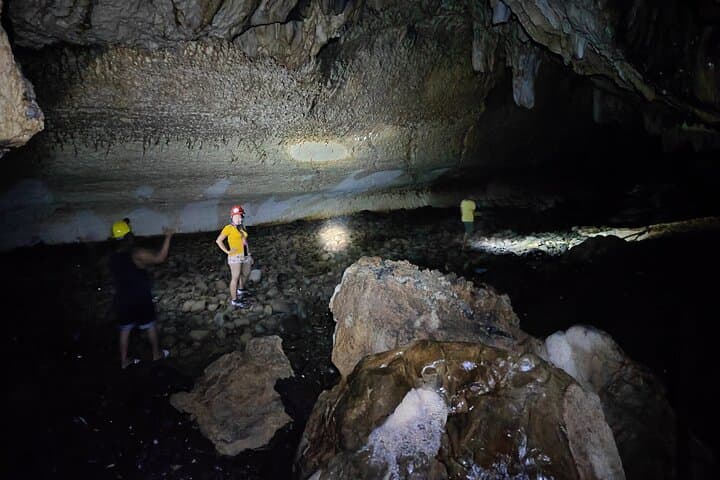
The spelunking route is beginner-friendly but active — expect three hours underground including short crawls, uneven rock, and ladders between chambers. Guides steady the pace and point out rare calcite forms and micro-ecosystems clinging to the walls. Humidity and darkness shape the experience; a headlamp, non-slip footwear, and modest hands-on scrambling are the norm.
Practical tips: arrive early to avoid heat, carry at least 1–2 liters of water, and secure electronics in waterproof cases. Tours often include transfers from Manila or nearby Laguna towns and last 8–10 hours door-to-door. Check weather and tour cancellations during heavy rains — passages can flood quickly. For photographers, low light and dripping water demand fast lenses and patience.
This is a tactile, slightly gritty cave day: not extreme, but real enough that the rock reminds you how long water has been writing its slow story here.
moderate.
8–10 hours (including transfers); ~3 hours in-cave.
Expect several short climbs, crawling in low sections, and uneven footing — moderate fitness and basic mobility recommended
Yes — most tours are designed for first-time spelunkers, with guided routes that avoid technical rope work; however, you should be comfortable with low crawls and uneven terrain.
Tours typically recommend moderate fitness; people with serious back, heart, or mobility issues and pregnant travelers are advised not to participate.
Guided time inside the cave is usually about 2–3 hours, with the full tour including transfers lasting 8–10 hours depending on pickup location.
Yes — photography is allowed but bring a protective case and use a headlamp or tripod for low light; flash can disturb some cave features and wildlife.
Local accounts record the caves as refuge sites during Spanish-era uprisings and as spaces for ritual observances, adding cultural layers to the natural features.
Cavinti’s formations grow slowly; follow guide instructions, avoid touching speleothems, and carry out all trash — limiting impact preserves delicate calcite and subterranean life.
Yolo Travel Philippines operates guided outdoor trips and adventures with an emphasis on safety, stewardship, and memorable experiences.
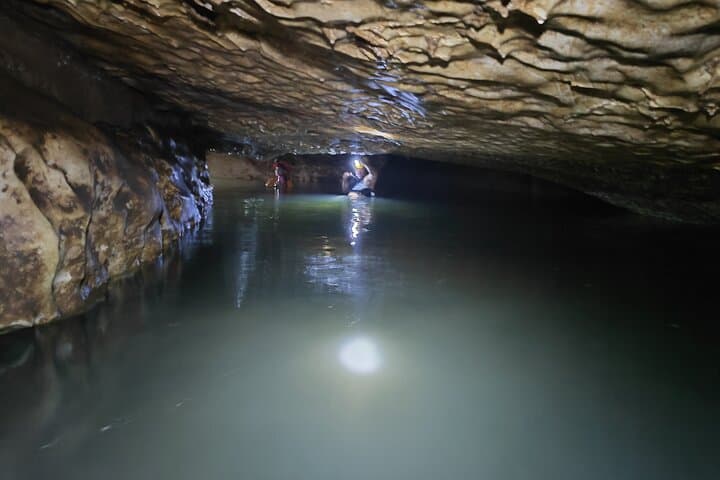
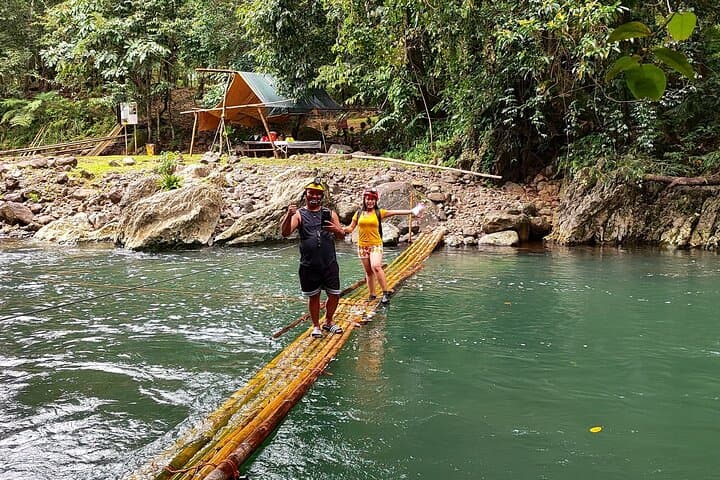
You duck beneath a low band of limestone and the wet air closes behind you — the cave breathes slowly, moving the light from your headlamp across calcite curtains and fluted columns. Water has been the architect here for millennia; each drip polishes a surface and pulls the passage forward until it opens into a chamber that hums with silence and the distant trickle of pools.
You duck beneath a low band of limestone and the wet air closes behind you — the cave breathes slowly, moving the light from your headlamp across calcite curtains and fluted columns. Water has been the architect here for millennia; each drip polishes a surface and pulls the passage forward until it opens into a chamber that hums with silence and the distant trickle of pools.
Cavinti Cave is one of the Philippines’ larger cave systems and shows classic karst geology: stalactites, stalagmites, straws, and flowstones layered where rainwater seeped through limestone. Locals also remember the complex as a shelter and ceremonial site during Spanish colonial unrest, giving the caverns cultural as well as geological significance.
The spelunking route is beginner-friendly but active — expect three hours underground including short crawls, uneven rock, and ladders between chambers. Guides steady the pace and point out rare calcite forms and micro-ecosystems clinging to the walls. Humidity and darkness shape the experience; a headlamp, non-slip footwear, and modest hands-on scrambling are the norm.
Practical tips: arrive early to avoid heat, carry at least 1–2 liters of water, and secure electronics in waterproof cases. Tours often include transfers from Manila or nearby Laguna towns and last 8–10 hours door-to-door. Check weather and tour cancellations during heavy rains — passages can flood quickly. For photographers, low light and dripping water demand fast lenses and patience.
This is a tactile, slightly gritty cave day: not extreme, but real enough that the rock reminds you how long water has been writing its slow story here.