THE ADVENTURE COLLECTIVE® · Independent discovery and booking for outdoor travel

Explore two caves, local temples and a village waterfall on a half-day caving tour from Rishikesh. This accessible trip mixes light scrambling, short drives and cultural stops for travelers seeking a hands-on, non-technical subterranean experience.
Explore two caves, local temples and a village waterfall on a half-day caving tour from Rishikesh. This accessible trip mixes light scrambling, short drives and cultural stops for travelers seeking a hands-on, non-technical subterranean experience.
You step off the van and the valley narrows: limestone walls close in, the smell of wet earth and moss rises, and a local guide taps the first headlamp on. The day unfolds in compact movements—short hikes between villages, two caves that require stooping and light crawling, a quick visit to a riverside temple and a splash at a roadside waterfall—then a return to Rishikesh by evening.
Verified experiences and guided adventures in the surrounding area.
Operated by White World Expeditions · Rishikesh, Uttarakhand
You step off the van and the valley narrows: limestone walls close in, the smell of wet earth and moss rises, and a local guide taps the first headlamp on. The day unfolds in compact movements—short hikes between villages, two caves that require stooping and light crawling, a quick visit to a riverside temple and a splash at a roadside waterfall—then a return to Rishikesh by evening.
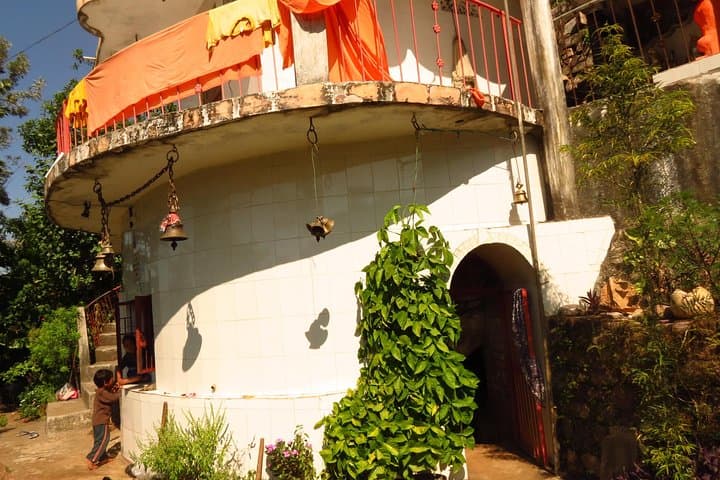
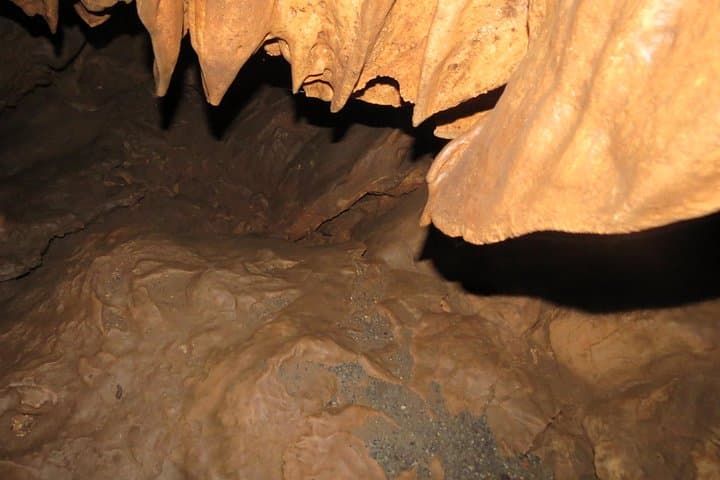
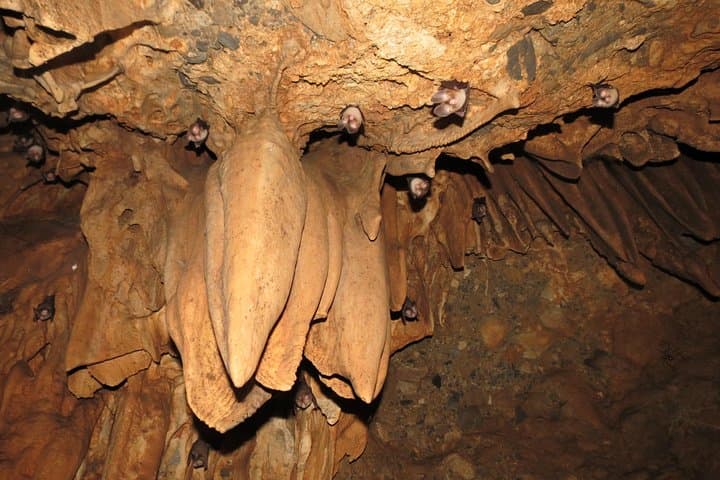
This region of the Lesser Himalaya bears layers of folded rock and old river terraces; caves here are often karst features formed where groundwater dissolved softer limestone. Villages along the route reflect plain-Pahari culture, small temples balanced on terraces and local shrines with painted deities. Kailash Cave and nearby Pawki Devi temple are modest in scale but rich in local ritual and oral history; guides commonly weave stories of saints, seasonal festivals and the sacred Ganges that runs just beyond the ridgeline.
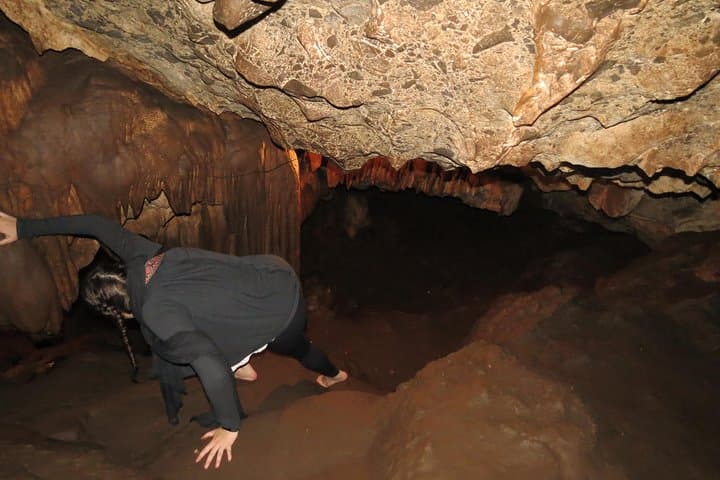
Expect narrow, sometimes damp passages and short uphill gains rather than technical climbs. The itinerary moves at a steady, conversational pace—walks on village tracks, a 1–1.5 hour drive to the cave zone, brief explorations inside two caves and time at a waterfall for cooling off.
Practical guidance: wear a reliable headlamp and sturdy, closed-toe shoes with grip; carry water and a dry spare layer. If you have back or heart issues, or are pregnant, this tour is not recommended. Groups require a two-person minimum; allow extra time for travel in hilly traffic. The experience is part cultural visit, part gentle adventure—best for travelers who want hands-on access to off-the-beaten-path caves without technical spelunking.
moderate.
5–6 hours.
Suitable for people with basic fitness—able to walk on uneven ground, stoop, and manage short climbs and tight passages.
The excursion runs about 5–6 hours including transport; expect short walks, brief cave exploration and a couple of local stops with moderate pace.
No technical gear is required—passages are narrow in places but the tour is non-technical and suitable for most people over age 12.
Not recommended for pregnant travelers, or those with spinal injuries, serious heart conditions, or mobility limitations due to stooping and short climbs.
Private transportation is included; the pickup is typically from a designated meeting point in Rishikesh with about a 1–1.5 hour drive to the cave area.
Caves in the Rishikesh foothills have long served as small hermitages and local ritual sites; many nearby temples evolved from community shrines tied to seasonal pilgrimages.
The area relies on low-impact visitation—avoid leaving waste, stick to trails, and respect temple protocols to reduce cultural and ecological disturbance.
White World Expeditions operates guided outdoor trips and adventures with an emphasis on safety, stewardship, and memorable experiences.
You step off the van and the valley narrows: limestone walls close in, the smell of wet earth and moss rises, and a local guide taps the first headlamp on. The day unfolds in compact movements—short hikes between villages, two caves that require stooping and light crawling, a quick visit to a riverside temple and a splash at a roadside waterfall—then a return to Rishikesh by evening.
You step off the van and the valley narrows: limestone walls close in, the smell of wet earth and moss rises, and a local guide taps the first headlamp on. The day unfolds in compact movements—short hikes between villages, two caves that require stooping and light crawling, a quick visit to a riverside temple and a splash at a roadside waterfall—then a return to Rishikesh by evening.
This region of the Lesser Himalaya bears layers of folded rock and old river terraces; caves here are often karst features formed where groundwater dissolved softer limestone. Villages along the route reflect plain-Pahari culture, small temples balanced on terraces and local shrines with painted deities. Kailash Cave and nearby Pawki Devi temple are modest in scale but rich in local ritual and oral history; guides commonly weave stories of saints, seasonal festivals and the sacred Ganges that runs just beyond the ridgeline.
Expect narrow, sometimes damp passages and short uphill gains rather than technical climbs. The itinerary moves at a steady, conversational pace—walks on village tracks, a 1–1.5 hour drive to the cave zone, brief explorations inside two caves and time at a waterfall for cooling off.
Practical guidance: wear a reliable headlamp and sturdy, closed-toe shoes with grip; carry water and a dry spare layer. If you have back or heart issues, or are pregnant, this tour is not recommended. Groups require a two-person minimum; allow extra time for travel in hilly traffic. The experience is part cultural visit, part gentle adventure—best for travelers who want hands-on access to off-the-beaten-path caves without technical spelunking.