THE ADVENTURE COLLECTIVE® · Independent discovery and booking for outdoor travel

A guided, three-hour caving route through Grotte di Equi combines secured via-ferrata sections—bridges, cables and rungs—with roomy chambers and karst geology. Ideal for visitors comfortable with exposure and moderate physical exertion.
A guided, three-hour caving route through Grotte di Equi combines secured via-ferrata sections—bridges, cables and rungs—with roomy chambers and karst geology. Ideal for visitors comfortable with exposure and moderate physical exertion.
You start on a rocky switchback beneath the jagged teeth of the Apuan Alps, the mountain faces watching as the path narrows toward the cave mouth. Light dwindles to a cool blue; helmets click on and lamps wake. The guide clips every guest to the continuous lifeline and leads the group into passages that feel engineered by time—steps, iron rungs, a Tibetan bridge and short cable traverses that move you from roomy halls into tighter, intimate chambers.
Verified experiences and guided adventures in the surrounding area.
Operated by Cooperativa AlterEco · Equi Terme, Tuscany
You start on a rocky switchback beneath the jagged teeth of the Apuan Alps, the mountain faces watching as the path narrows toward the cave mouth. Light dwindles to a cool blue; helmets click on and lamps wake. The guide clips every guest to the continuous lifeline and leads the group into passages that feel engineered by time—steps, iron rungs, a Tibetan bridge and short cable traverses that move you from roomy halls into tighter, intimate chambers.
Grotte di Equi has a long human thread: prehistoric finds and thermal springs gave the valley importance long before these show routes were fitted for visitors. Geologically the caves are classic karst—limestone carved by water into arches, chimneys and narrow canyons—so expect slick floors in some spots and sharp, tactile rock in others. Culturally, the area sits in Tuscany’s less-touristed north, where rural hamlets and marble quarries tell a working-landscape story alongside the wild mountains.
Practically, this route is a secured via ferrata-style visitor trail rather than a wild spelunking expedition. Guides provide harness, helmet and headlamp; participants must be at least 140 cm tall and in good mobility and cardiovascular health. Over the three-hour excursion there are short exposed sections, moderate climbs and fixed cables—good footwear and steady nerves matter more than technical rope skills.
Plan for cool, damp conditions underground, bring layered clothing, and allow time on the approach trail for views back across the valley. Respect the karst: stay clipped, follow the guide, and keep noise and light to a minimum to protect cave life.
moderate.
3 hours.
Moderate—participants should be steady on their feet, comfortable with short exposed climbs and able to walk uneven ground for up to an hour each way.
No—this is a guided, secured route designed for visitors with moderate fitness; guides handle technical rigging.
Participants must be at least 10 years old and 140 cm tall, with weight between approximately 30 kg and 120 kg—confirm during booking.
The caves are reached by a short drive from La Spezia; public transportation and local shuttle options exist seasonally—check schedules and arrival details with the operator.
Yes—qualified guides supply and fit helmets, harnesses and a headlamp; guests should bring suitable footwear and gloves.
The caves and nearby thermal springs have evidence of human use since prehistoric times, and the Apuan landscape later supported Roman-era routes and marble quarrying.
The caves are a fragile karst system; visitors should follow marked routes, avoid touching formations and carry out any waste to protect cave fauna and water quality.
Cooperativa AlterEco operates guided outdoor trips and adventures with an emphasis on safety, stewardship, and memorable experiences.
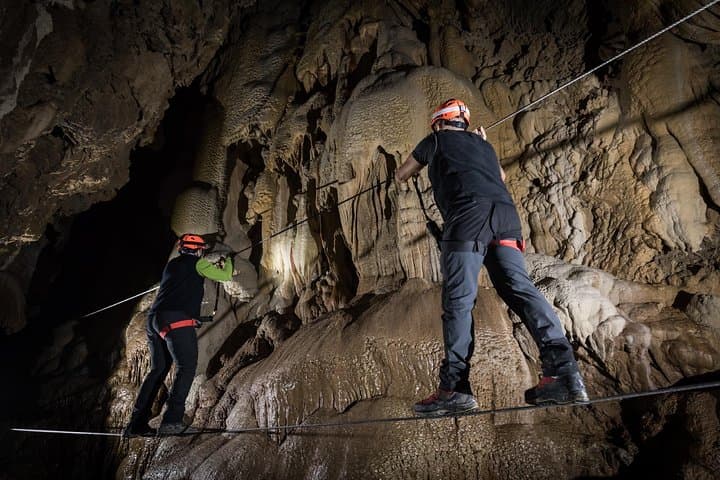
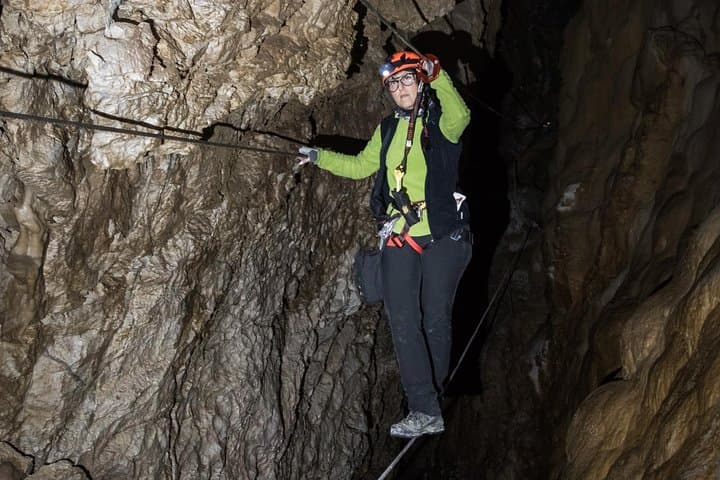
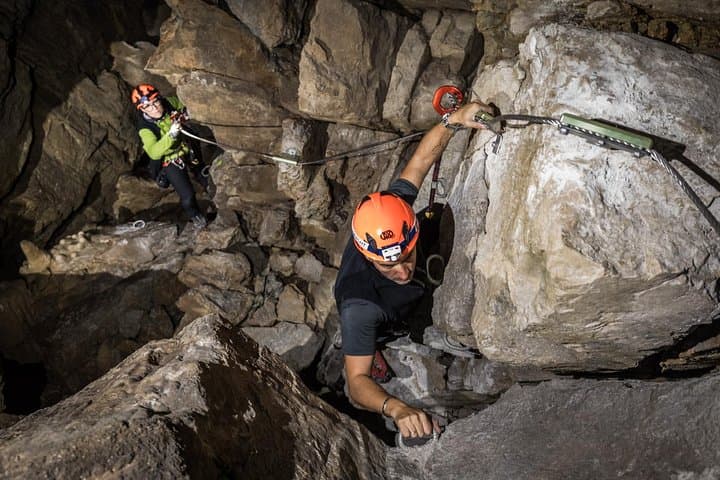
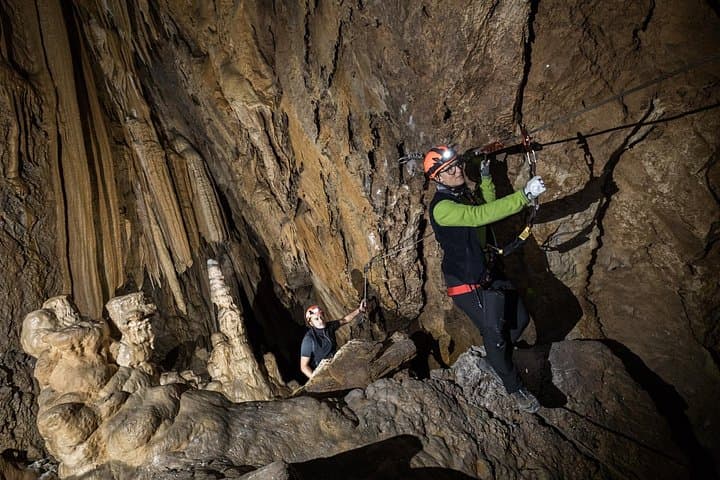
You start on a rocky switchback beneath the jagged teeth of the Apuan Alps, the mountain faces watching as the path narrows toward the cave mouth. Light dwindles to a cool blue; helmets click on and lamps wake. The guide clips every guest to the continuous lifeline and leads the group into passages that feel engineered by time—steps, iron rungs, a Tibetan bridge and short cable traverses that move you from roomy halls into tighter, intimate chambers.
You start on a rocky switchback beneath the jagged teeth of the Apuan Alps, the mountain faces watching as the path narrows toward the cave mouth. Light dwindles to a cool blue; helmets click on and lamps wake. The guide clips every guest to the continuous lifeline and leads the group into passages that feel engineered by time—steps, iron rungs, a Tibetan bridge and short cable traverses that move you from roomy halls into tighter, intimate chambers.
Grotte di Equi has a long human thread: prehistoric finds and thermal springs gave the valley importance long before these show routes were fitted for visitors. Geologically the caves are classic karst—limestone carved by water into arches, chimneys and narrow canyons—so expect slick floors in some spots and sharp, tactile rock in others. Culturally, the area sits in Tuscany’s less-touristed north, where rural hamlets and marble quarries tell a working-landscape story alongside the wild mountains.
Practically, this route is a secured via ferrata-style visitor trail rather than a wild spelunking expedition. Guides provide harness, helmet and headlamp; participants must be at least 140 cm tall and in good mobility and cardiovascular health. Over the three-hour excursion there are short exposed sections, moderate climbs and fixed cables—good footwear and steady nerves matter more than technical rope skills.
Plan for cool, damp conditions underground, bring layered clothing, and allow time on the approach trail for views back across the valley. Respect the karst: stay clipped, follow the guide, and keep noise and light to a minimum to protect cave life.