THE ADVENTURE COLLECTIVE® · Independent discovery and booking for outdoor travel

Float through candlelit limestone caverns used by the Maya, then climb the broad plaza of Xunantunich to a temple with river views. This day combo delivers geology, history, and hands‑on local guiding in Belize’s Cayo District.
Float through candlelit limestone caverns used by the Maya, then climb the broad plaza of Xunantunich to a temple with river views. This day combo delivers geology, history, and hands‑on local guiding in Belize’s Cayo District.
The day begins on a two‑hour drive into Cayo’s interior, windows down to warm, green air and the distant chisel of howler monkeys. You arrive at a low river mouth where the current seems to nudge you forward — that current carries you into the belly of limestone, past stalactites and Maya-era water channels once part of ritual routes. Tubing here is equal parts easy float and close-quarters geology: helmet lights pick out calcite drips while guides point to cavern features the Maya read as portals.
Verified experiences and guided adventures in the surrounding area.
Operated by Cave Tubing R Us · San Ignacio, Cayo District
The day begins on a two‑hour drive into Cayo’s interior, windows down to warm, green air and the distant chisel of howler monkeys. You arrive at a low river mouth where the current seems to nudge you forward — that current carries you into the belly of limestone, past stalactites and Maya-era water channels once part of ritual routes. Tubing here is equal parts easy float and close-quarters geology: helmet lights pick out calcite drips while guides point to cavern features the Maya read as portals.
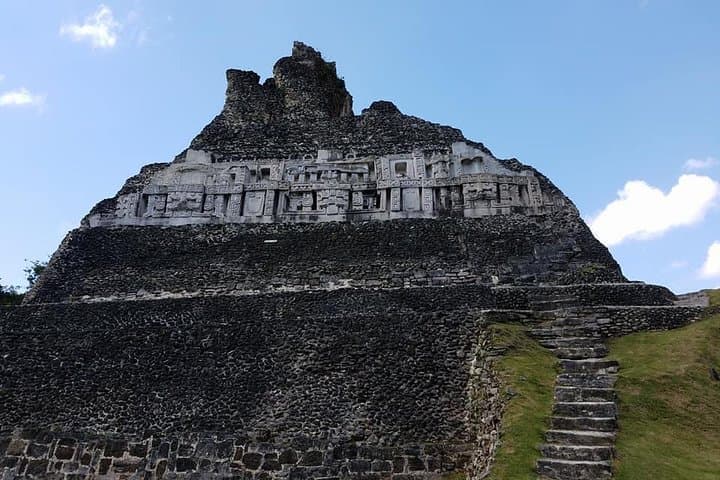
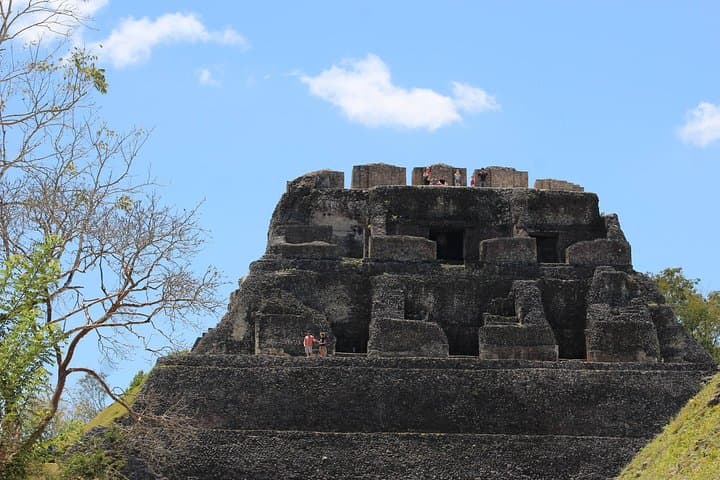
After the water, the landscape opens into the cleared plazas of Xunantunich. From the plaza floor the 130‑foot (roughly 40 m) El Castillo rises, offering a broad view across the Mopan River and agricultural fields where cacao and banana plots still shape the countryside. The site’s compact two acres hold ball courts, residential mounds and plastered stucco — physical traces of Cayo’s role in regional trade and polity.
Expect a blend of geology and anthropology: cave passages carved by karst processes, and temples shaped by centuries of human use. Local guides fold in cultural context and a taste of home‑cooked lunch en route.
Practical edges: wear closed, grippy water shoes, bring a quick‑dry change of clothes, and a light rain layer — weather shifts fast. Hydrate before and after tubing; the tour’s moderate exertion suits most active travelers. Timing in the dry season keeps caves clearer; the wet season deepens river flow but can increase transit time. This combo is an efficient, grounded way to pair Belizean inland adventure with living history.
moderate.
6 hours.
Suitable for those with moderate fitness; requires short hikes, transfers in uneven terrain, and floating for extended periods
Moderate: expect several hours of sitting in transport, a gentle float through caves requiring getting in/out of tubes, and walking on uneven temple surfaces.
Yes — helmets, headlamps, life vests and inner tubes are supplied by the operator.
Admission to the archaeological site may be required separately; confirm at booking whether entrance fees are included in your selected option.
Closed water shoes, old sneakers or sturdy sandals are recommended; flip‑flops are not allowed for tubing segments.
Xunantunich rose in the Late Classic period as a regional ceremonial center; its plazas and ball courts reflect long‑distance trade across the Maya lowlands.
Cave systems are fragile karst environments — stick to guide routes, avoid touching formations, and use biodegradable sun/bug products to reduce contamination of waterways.
Cave Tubing R Us operates guided outdoor trips and adventures with an emphasis on safety, stewardship, and memorable experiences.
The day begins on a two‑hour drive into Cayo’s interior, windows down to warm, green air and the distant chisel of howler monkeys. You arrive at a low river mouth where the current seems to nudge you forward — that current carries you into the belly of limestone, past stalactites and Maya-era water channels once part of ritual routes. Tubing here is equal parts easy float and close-quarters geology: helmet lights pick out calcite drips while guides point to cavern features the Maya read as portals.
The day begins on a two‑hour drive into Cayo’s interior, windows down to warm, green air and the distant chisel of howler monkeys. You arrive at a low river mouth where the current seems to nudge you forward — that current carries you into the belly of limestone, past stalactites and Maya-era water channels once part of ritual routes. Tubing here is equal parts easy float and close-quarters geology: helmet lights pick out calcite drips while guides point to cavern features the Maya read as portals.
After the water, the landscape opens into the cleared plazas of Xunantunich. From the plaza floor the 130‑foot (roughly 40 m) El Castillo rises, offering a broad view across the Mopan River and agricultural fields where cacao and banana plots still shape the countryside. The site’s compact two acres hold ball courts, residential mounds and plastered stucco — physical traces of Cayo’s role in regional trade and polity.
Expect a blend of geology and anthropology: cave passages carved by karst processes, and temples shaped by centuries of human use. Local guides fold in cultural context and a taste of home‑cooked lunch en route.
Practical edges: wear closed, grippy water shoes, bring a quick‑dry change of clothes, and a light rain layer — weather shifts fast. Hydrate before and after tubing; the tour’s moderate exertion suits most active travelers. Timing in the dry season keeps caves clearer; the wet season deepens river flow but can increase transit time. This combo is an efficient, grounded way to pair Belizean inland adventure with living history.