THE ADVENTURE COLLECTIVE® · Independent discovery and booking for outdoor travel

Traverse a 600m limestone stream cave and explore the giant boulder maze of Castle Hill/Kura Tawhiti on a private shore excursion from Lyttelton. This guided, full-day outing combines light caving, interpretation of Māori and geological history, plus optional bouldering.
Traverse a 600m limestone stream cave and explore the giant boulder maze of Castle Hill/Kura Tawhiti on a private shore excursion from Lyttelton. This guided, full-day outing combines light caving, interpretation of Māori and geological history, plus optional bouldering.
You step off the coach where the road meets gray limestone and alpine air — the Great Alpine Highway opening west toward the Southern Alps. The day moves in two parts: first the narrow, water-carved lung of Cave Stream, then the vast, blocky maze of Castle Hill/Kura Tawhiti. Inside the cave the underground river dares you forward; clear water threads over stepped ledges while head-torch beams cut through cool, echoing chambers. Outside, massive karst boulders tower like moved monuments under wide South Island sky.
Verified experiences and guided adventures in the surrounding area.
Operated by Adventure by Nature · Christchurch, Canterbury
You step off the coach where the road meets gray limestone and alpine air — the Great Alpine Highway opening west toward the Southern Alps. The day moves in two parts: first the narrow, water-carved lung of Cave Stream, then the vast, blocky maze of Castle Hill/Kura Tawhiti. Inside the cave the underground river dares you forward; clear water threads over stepped ledges while head-torch beams cut through cool, echoing chambers. Outside, massive karst boulders tower like moved monuments under wide South Island sky.
Geologically these features come from ancient marine limestone, thrust up and cracked by tectonic forces; the result is cave passages and free-standing boulders used for bouldering and study. Castle Hill carries cultural weight as Kura Tawhiti, a place with spiritual significance and recently given Tōpuni protection — guides will interpret both Māori connections and local settler history as you move through the landscape.
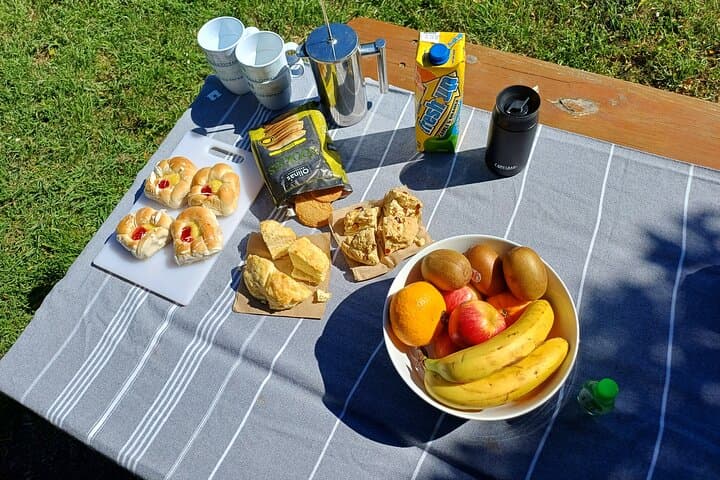
Practical guidance: the trip runs about seven hours from Lyttelton with private transport, guided caving equipment, snacks and lunch included. Expect a 45–60 minute traverse through roughly 600 meters of cave with sections as narrow as a hallway; you can stand for most of it but will wade and stoop. At Castle Hill you'll have time to scramble on boulders or watch others boulder; surfaces can be sharp and slippery when wet.
Plan for variable mountain weather — layered, quick-dry clothing and waterproof footwear make the difference. The guided format and provided gear make this accessible to many, but basic mobility and comfort with confined, wet spaces are essential.
moderate.
6–8 hours.
Basic aerobic fitness and mobility; comfortable walking, some wading and low scrambling required
The cave passage is roughly 600 metres and takes most groups 45–60 minutes to traverse, depending on pace and stops.
No — guides provide helmets, head torches and a safety briefing; however, participants should be comfortable with confined, wet environments and stooping.
Yes — the guide can point out bouldering areas and basic routes; bring chalk and crash pads if you plan a dedicated session, though casual scrambling is fine without them.
Tours may be canceled or rescheduled for safety if roads are icy or conditions are hazardous; the operator typically offers full refunds if canceled at least 24 hours prior.
Castle Hill/Kura Tawhiti is both geologically significant and culturally important to local iwi; the area has Tōpuni status which acknowledges Māori connection and stewardship.
The karst and cave environment are sensitive—stick to guided access, avoid touching formations, and don’t contaminate cave waters to protect aquatic life and limestone integrity.
Adventure by Nature operates guided outdoor trips and adventures with an emphasis on safety, stewardship, and memorable experiences.
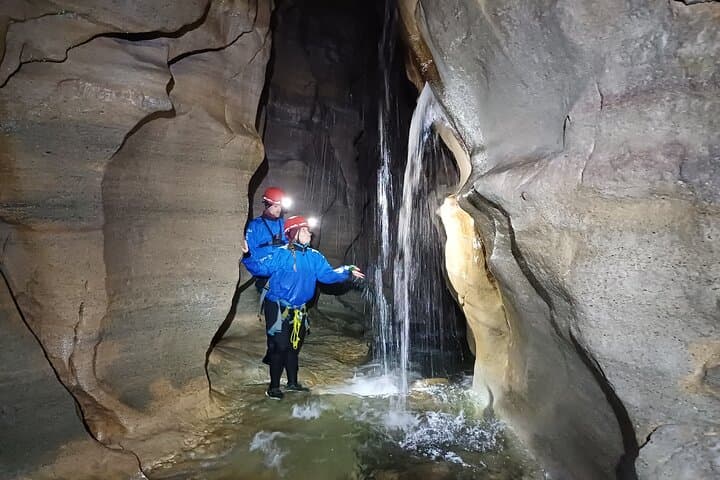
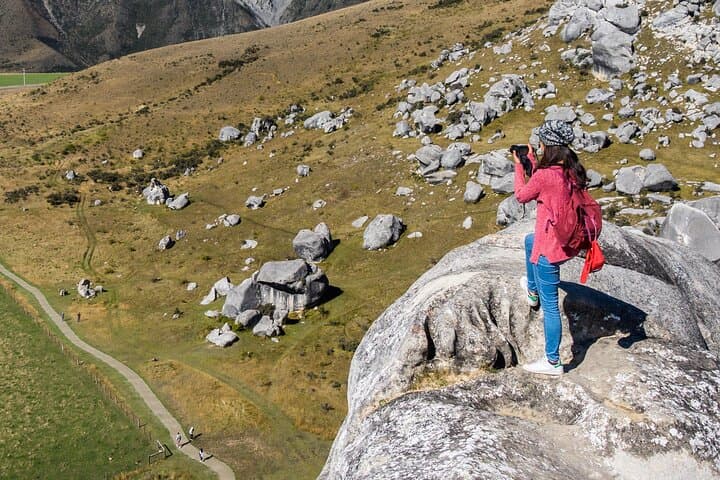
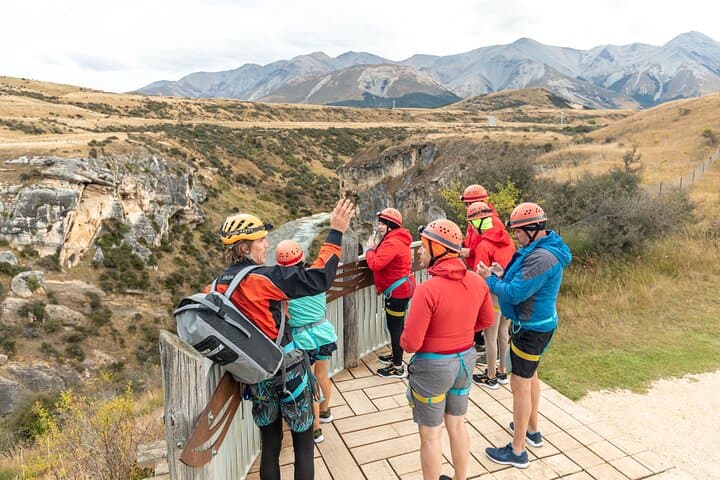
You step off the coach where the road meets gray limestone and alpine air — the Great Alpine Highway opening west toward the Southern Alps. The day moves in two parts: first the narrow, water-carved lung of Cave Stream, then the vast, blocky maze of Castle Hill/Kura Tawhiti. Inside the cave the underground river dares you forward; clear water threads over stepped ledges while head-torch beams cut through cool, echoing chambers. Outside, massive karst boulders tower like moved monuments under wide South Island sky.
You step off the coach where the road meets gray limestone and alpine air — the Great Alpine Highway opening west toward the Southern Alps. The day moves in two parts: first the narrow, water-carved lung of Cave Stream, then the vast, blocky maze of Castle Hill/Kura Tawhiti. Inside the cave the underground river dares you forward; clear water threads over stepped ledges while head-torch beams cut through cool, echoing chambers. Outside, massive karst boulders tower like moved monuments under wide South Island sky.
Geologically these features come from ancient marine limestone, thrust up and cracked by tectonic forces; the result is cave passages and free-standing boulders used for bouldering and study. Castle Hill carries cultural weight as Kura Tawhiti, a place with spiritual significance and recently given Tōpuni protection — guides will interpret both Māori connections and local settler history as you move through the landscape.
Practical guidance: the trip runs about seven hours from Lyttelton with private transport, guided caving equipment, snacks and lunch included. Expect a 45–60 minute traverse through roughly 600 meters of cave with sections as narrow as a hallway; you can stand for most of it but will wade and stoop. At Castle Hill you'll have time to scramble on boulders or watch others boulder; surfaces can be sharp and slippery when wet.
Plan for variable mountain weather — layered, quick-dry clothing and waterproof footwear make the difference. The guided format and provided gear make this accessible to many, but basic mobility and comfort with confined, wet spaces are essential.