THE ADVENTURE COLLECTIVE® · Independent discovery and booking for outdoor travel

Spend a day moving from the stacked limestone boulders of Castle Hill/Kura Tawhiti to the cool corridors of Cave Stream. This guided shore excursion combines short boulder scrambles, cultural context, and a 594‑meter cave walk that finishes with a ladder back to daylight.
Spend a day moving from the stacked limestone boulders of Castle Hill/Kura Tawhiti to the cool corridors of Cave Stream. This guided shore excursion combines short boulder scrambles, cultural context, and a 594‑meter cave walk that finishes with a ladder back to daylight.
You arrive from Lyttelton, the harbor shrinking behind you as the Canterbury Plains flatten and then push up into limestone outcrops. At Castle Hill/Kura Tawhiti the landscape changes suddenly: giant dolomite and limestone blocks sit like stacked rooms, sunlight carving sharp edges and shadows that invite exploration. The air smells of alpine grass and stone warmed by the sun; the boulders seem to watch as you pick a line and move.
Verified experiences and guided adventures in the surrounding area.
Operated by Adventure by Nature · Castle Hill, Canterbury
You arrive from Lyttelton, the harbor shrinking behind you as the Canterbury Plains flatten and then push up into limestone outcrops. At Castle Hill/Kura Tawhiti the landscape changes suddenly: giant dolomite and limestone blocks sit like stacked rooms, sunlight carving sharp edges and shadows that invite exploration. The air smells of alpine grass and stone warmed by the sun; the boulders seem to watch as you pick a line and move.
The region carries layers of history — Māori iwi have long regarded Kura Tawhiti as a place of cultural significance, and modern protection as a Tōpuni recognizes that connection. Geologically, the karst limestone here records ancient sea floors and slow chemical weathering; caves and streamways formed where water found seams and carved passages over millennia.
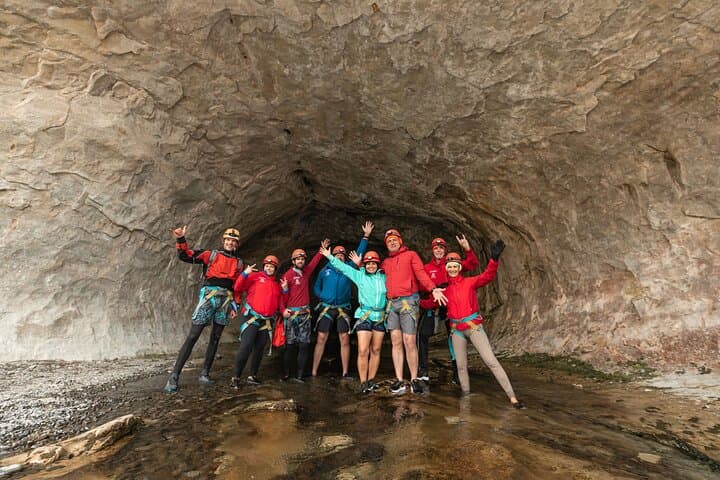
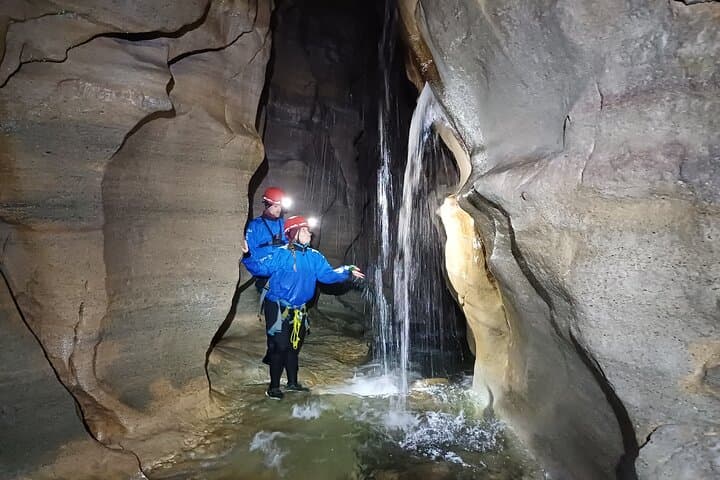
In the afternoon Cave Stream awaits: a 594‑meter subterranean route that threads clear, cold water through chambers, low crawls and a final fixed ladder that returns you to daylight. The cave rewards steady footing and calm breathing; the rock guides the route and the stream keeps the pace.
Practical notes: the full tour is about seven hours with guided transport from the port, a lunch stop, and an hour in the cave. Expect wet boots, uneven rock, and tight sections; guides provide helmets, head torches and safety belts. Bring quick‑dry layers, shoes with firm soles, a spare set of socks and a small daypack for camera and snacks.
Timing your visit outside heavy rain reduces flood risk in the cave; leave no trace, respect cultural sites, and be prepared to trade speed for care — the terrain asks for attention but rewards curiosity.
moderate.
7 hours.
Moderate fitness: able to walk uneven trails, scramble short boulder sections and move through low cave passages for up to an hour
The guided route through Cave Stream covers about 594 metres and typically takes 45–60 minutes depending on group pace and water levels.
Yes — the tour supplies helmets, head torches and safety belts for caving sections.
Older children who are confident in water and tight spaces may join; confirm age and ability expectations with the operator.
Guides may cancel or alter the cave section if heavy rain raises water flow; full refunds are typically available if canceled 24 hours prior.
Kura Tawhiti/Castle Hill holds Māori cultural significance and has been granted Tōpuni status; the limestone landscape also records ancient marine deposits now uplifted by tectonics.
Stick to formed paths, avoid touching delicate rock surfaces and pack out all waste; cave life and karst formations are sensitive to disturbance.
Adventure by Nature operates guided outdoor trips and adventures with an emphasis on safety, stewardship, and memorable experiences.
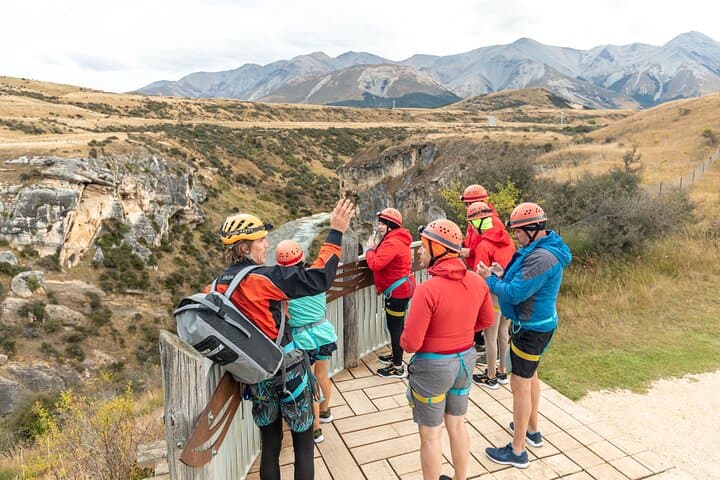
You arrive from Lyttelton, the harbor shrinking behind you as the Canterbury Plains flatten and then push up into limestone outcrops. At Castle Hill/Kura Tawhiti the landscape changes suddenly: giant dolomite and limestone blocks sit like stacked rooms, sunlight carving sharp edges and shadows that invite exploration. The air smells of alpine grass and stone warmed by the sun; the boulders seem to watch as you pick a line and move.
You arrive from Lyttelton, the harbor shrinking behind you as the Canterbury Plains flatten and then push up into limestone outcrops. At Castle Hill/Kura Tawhiti the landscape changes suddenly: giant dolomite and limestone blocks sit like stacked rooms, sunlight carving sharp edges and shadows that invite exploration. The air smells of alpine grass and stone warmed by the sun; the boulders seem to watch as you pick a line and move.
The region carries layers of history — Māori iwi have long regarded Kura Tawhiti as a place of cultural significance, and modern protection as a Tōpuni recognizes that connection. Geologically, the karst limestone here records ancient sea floors and slow chemical weathering; caves and streamways formed where water found seams and carved passages over millennia.
In the afternoon Cave Stream awaits: a 594‑meter subterranean route that threads clear, cold water through chambers, low crawls and a final fixed ladder that returns you to daylight. The cave rewards steady footing and calm breathing; the rock guides the route and the stream keeps the pace.
Practical notes: the full tour is about seven hours with guided transport from the port, a lunch stop, and an hour in the cave. Expect wet boots, uneven rock, and tight sections; guides provide helmets, head torches and safety belts. Bring quick‑dry layers, shoes with firm soles, a spare set of socks and a small daypack for camera and snacks.
Timing your visit outside heavy rain reduces flood risk in the cave; leave no trace, respect cultural sites, and be prepared to trade speed for care — the terrain asks for attention but rewards curiosity.