THE ADVENTURE COLLECTIVE® · Independent discovery and booking for outdoor travel

Spend a full day at Tenikwa observing wildlife rehabilitation and the daily care of small wild cats near Plettenberg Bay. This private program combines behind-the-scenes access with interpretive talks on conservation in the Garden Route.
Spend a full day at Tenikwa observing wildlife rehabilitation and the daily care of small wild cats near Plettenberg Bay. This private program combines behind-the-scenes access with interpretive talks on conservation in the Garden Route.
You arrive at a low-slung compound off the Garden Route, sunlight cutting through pockets of fynbos while staff move with purposeful calm among enclosures. The scent of eucalyptus and sea air travel together; distant gulls mark the horizon. For a full day you shadow Tenikwa’s team—observing feeding, enrichment and rehabilitation work that puts the region’s small wild cats at the center of conservation.
Verified experiences and guided adventures in the surrounding area.
Operated by Tenikwa Wildlife Rehabilitation and Awareness NPC · Plettenberg Bay, Western Cape
You arrive at a low-slung compound off the Garden Route, sunlight cutting through pockets of fynbos while staff move with purposeful calm among enclosures. The scent of eucalyptus and sea air travel together; distant gulls mark the horizon. For a full day you shadow Tenikwa’s team—observing feeding, enrichment and rehabilitation work that puts the region’s small wild cats at the center of conservation.
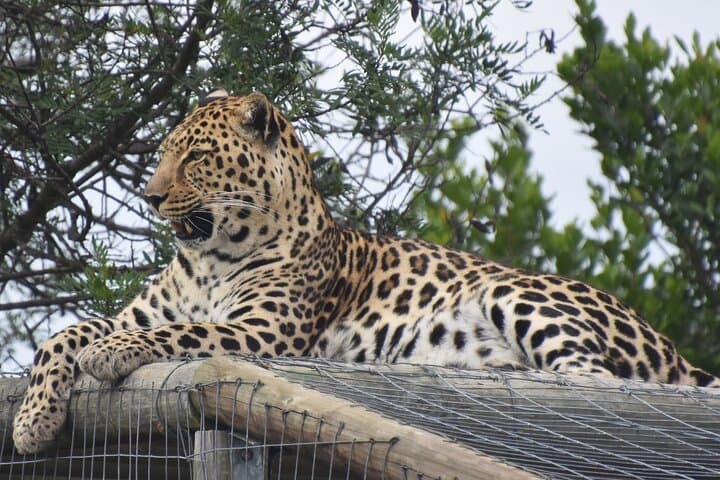
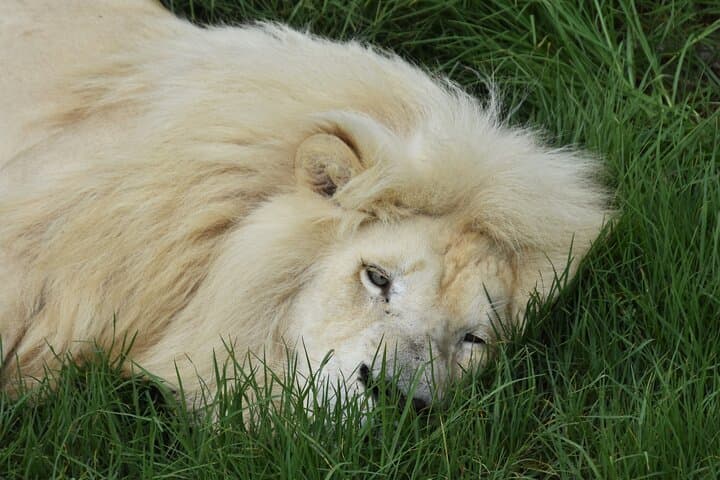
Tenikwa sits in the ecological transition zone of the Western Cape where rocky outcrops, reed-lined rivers and coastal scrub shape local wildlife behaviour. The centre works to rehabilitate injured and orphaned carnivores, educate visitors about human-wildlife conflict, and reintegrate animals when feasible. Expect close-up viewing (no touching) of species typically cared for at the centre, interpretive talks on diet and vet care, and a behind-the-scenes look at rescue logistics and release planning.
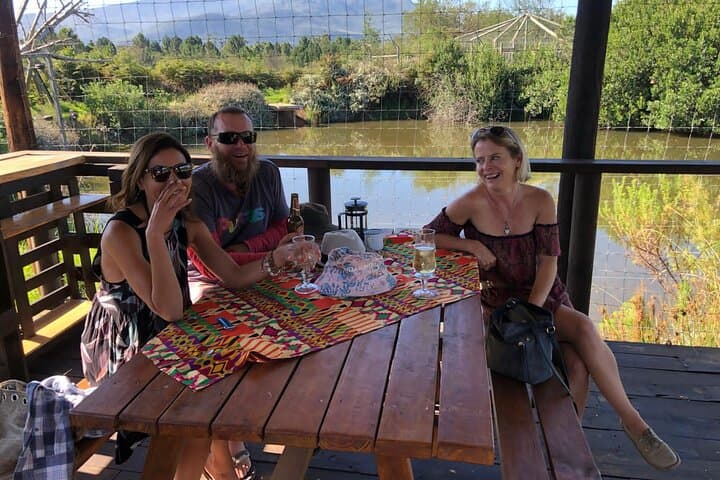
The day blends natural history and practical conservation: learn how regional land use influences predator movements, why fynbos matters for prey species, and how community outreach reduces conflict. Practicalities are clear—this is a private, accessible program running 7–8 hours with provided lunch, water and snacks. Neutral clothing, sensible footwear and a camera are useful; mobility needs are accommodated but follow staff guidance around enclosures.
This is an experience for animal-focused travelers who want deeper context than a quick visit: it’s education, rehabilitation, and the steady work of keeping local carnivores part of the Garden Route’s living landscape.
easy.
7–8 hours.
Suitable for most fitness levels; requires standing and short, flat walks between enclosures
Yes, but the program is not suitable for children under 9; children under 18 must be accompanied by an adult.
No—touching is prohibited to protect both animals and guests; handlers will demonstrate procedures but contact is reserved for staff.
Yes—Tenikwa reports wheelchair-accessible paths and surfaces; notify staff of mobility needs when booking.
Bring neutral clothing, sturdy shoes, sun protection, a refillable water bottle, and a camera; snacks and lunch are provided.
Tenikwa operates within the Garden Route region where conservation initiatives have increased over recent decades to address habitat fragmentation and human-wildlife conflict.
Programs emphasize rehabilitation, education and release planning; visitors are asked to follow protocols that reduce stress on animals and support long-term welfare.
Tenikwa Wildlife Rehabilitation and Awareness NPC operates guided outdoor trips and adventures with an emphasis on safety, stewardship, and memorable experiences.
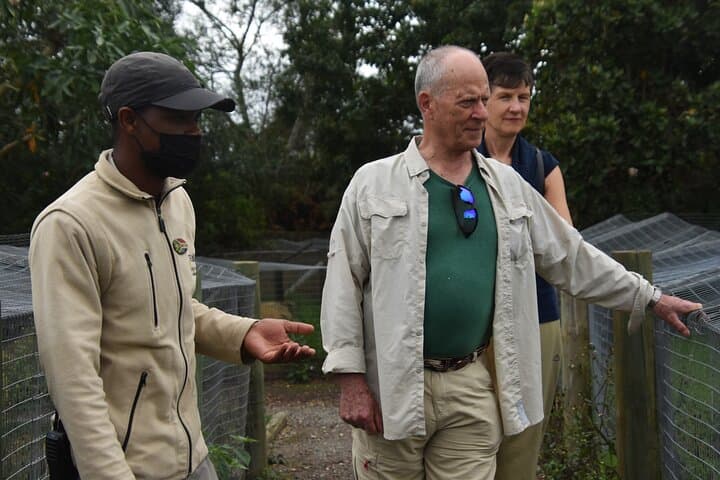
You arrive at a low-slung compound off the Garden Route, sunlight cutting through pockets of fynbos while staff move with purposeful calm among enclosures. The scent of eucalyptus and sea air travel together; distant gulls mark the horizon. For a full day you shadow Tenikwa’s team—observing feeding, enrichment and rehabilitation work that puts the region’s small wild cats at the center of conservation.
You arrive at a low-slung compound off the Garden Route, sunlight cutting through pockets of fynbos while staff move with purposeful calm among enclosures. The scent of eucalyptus and sea air travel together; distant gulls mark the horizon. For a full day you shadow Tenikwa’s team—observing feeding, enrichment and rehabilitation work that puts the region’s small wild cats at the center of conservation.
Tenikwa sits in the ecological transition zone of the Western Cape where rocky outcrops, reed-lined rivers and coastal scrub shape local wildlife behaviour. The centre works to rehabilitate injured and orphaned carnivores, educate visitors about human-wildlife conflict, and reintegrate animals when feasible. Expect close-up viewing (no touching) of species typically cared for at the centre, interpretive talks on diet and vet care, and a behind-the-scenes look at rescue logistics and release planning.
The day blends natural history and practical conservation: learn how regional land use influences predator movements, why fynbos matters for prey species, and how community outreach reduces conflict. Practicalities are clear—this is a private, accessible program running 7–8 hours with provided lunch, water and snacks. Neutral clothing, sensible footwear and a camera are useful; mobility needs are accommodated but follow staff guidance around enclosures.
This is an experience for animal-focused travelers who want deeper context than a quick visit: it’s education, rehabilitation, and the steady work of keeping local carnivores part of the Garden Route’s living landscape.