THE ADVENTURE COLLECTIVE® · Independent discovery and booking for outdoor travel

A three-day trek from Marrakech into Ait Bougmez and Cathedral Rock combines valley walking, village auberges, and a visit to Iminifri cave. Expect stone terraces, mule tracks, and panoramic High Atlas ridgelines.
A three-day trek from Marrakech into Ait Bougmez and Cathedral Rock combines valley walking, village auberges, and a visit to Iminifri cave. Expect stone terraces, mule tracks, and panoramic High Atlas ridgelines.
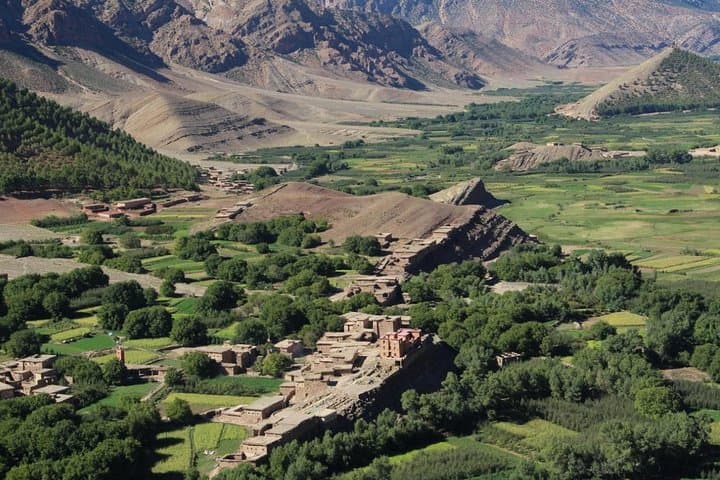
You step out of Marrakech into a different light—road dust fades, the air thins and the High Atlas rises like folded stone ahead. On day one the route detours to Ouzoud Falls’ spray before climbing into Ait Bougmez, the so-called Happy Valley, where villages perch on terraces and the sky feels larger.
Verified experiences and guided adventures in the surrounding area.
Operated by Adventure masters · Marrakech, Marrakesh-Safi
You step out of Marrakech into a different light—road dust fades, the air thins and the High Atlas rises like folded stone ahead. On day one the route detours to Ouzoud Falls’ spray before climbing into Ait Bougmez, the so-called Happy Valley, where villages perch on terraces and the sky feels larger.
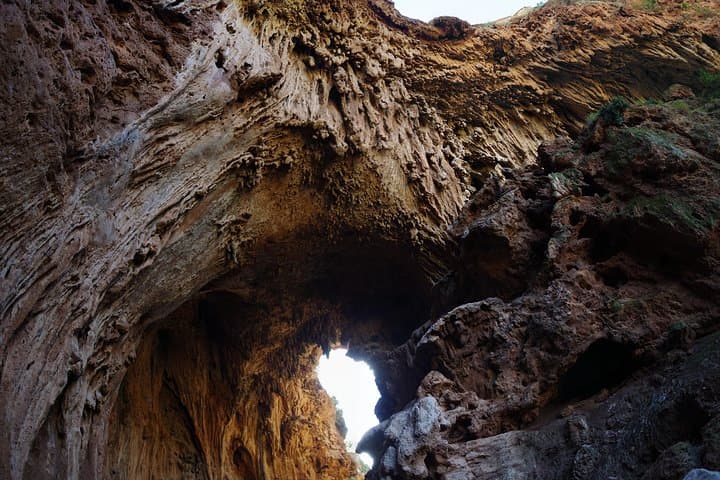
The valley is carved by glacial and river action over millennia; its red-brown rhyolite and limestone slopes keep terraces that Amazigh communities have farmed for centuries. Cathedral Rock refers here to a dramatic, steep-sided outcrop that anchors local ridgelines and frames long views of shepherd tracks and cultivated plots. Iminifri cave, visited on the return, is a karst feature that hints at the region’s underground drainage and calcite work.
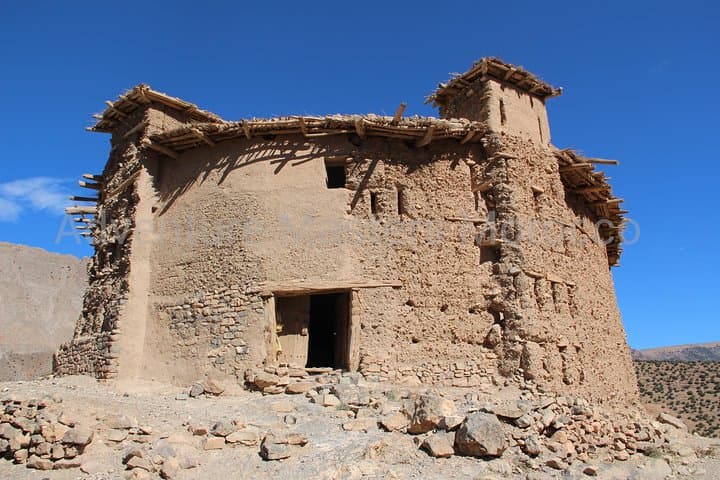
Culturally the route moves through small auberges and family-run farms—tea and flatbread are common, and conversations often touch on transhumance and irrigation rights. Expect mule tracks, stone stairways, occasional scree and dusty dirt roads; daily walking ranges roughly 6–12 km with intermittent climbs up to 600–900 m on steeper days, though much of the valley is moderate walking.
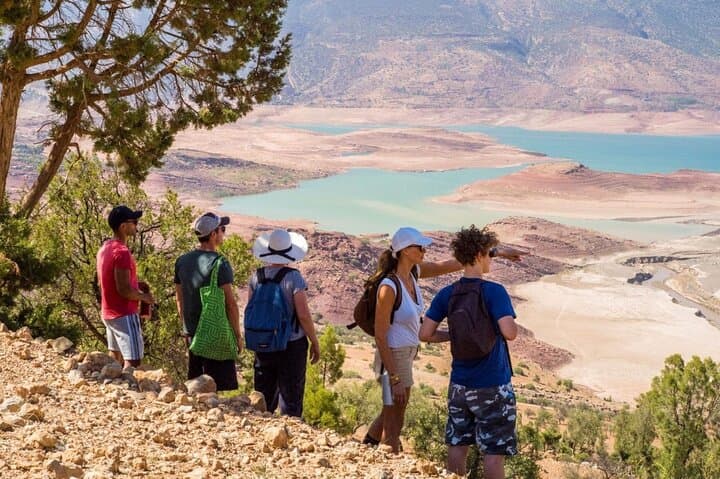
Practical guidance: plan for three days with an air-conditioned transfer from Marrakech, bring layered clothing for warm days and cool nights, and carry water and sun protection. Spring and fall offer the best temperatures; hire a local guide to navigate unmarked sections and support local economies. The route balances straightforward trekking with cultural stops—ideal for hikers who want rugged scenery without technical climbing.
moderate.
3 days (approx. 8–10 hours total walking spread over three days).
Suitable for hikers with regular aerobic activity; be comfortable on uneven terrain and repetitive climbs.
Most itineraries include air-conditioned transfer from Marrakech; expect a 2.5–4 hour drive depending on route and stops such as Ouzoud Falls.
This tour uses auberges (local guesthouses) in Ait Bougmez rather than tents, providing basic beds and meals.
Yes—fitness rather than technical skill is the primary requirement; a few sustained climbs make it moderate rather than easy.
Local Amazigh communities speak Tamazight and Arabic; polite greetings, modest dress in villages, and asking before photographing people are appreciated.
Ait Bougmez has been farmed by Amazigh (Berber) communities for centuries; its stone terraces and irrigation channels are traditional features of High Atlas mountain agriculture.
The valley faces grazing pressure and seasonal water scarcity; travel with local guides, stay on established tracks, and minimize plastic waste to reduce impact.
Adventure masters operates guided outdoor trips and adventures with an emphasis on safety, stewardship, and memorable experiences.
You step out of Marrakech into a different light—road dust fades, the air thins and the High Atlas rises like folded stone ahead. On day one the route detours to Ouzoud Falls’ spray before climbing into Ait Bougmez, the so-called Happy Valley, where villages perch on terraces and the sky feels larger.
You step out of Marrakech into a different light—road dust fades, the air thins and the High Atlas rises like folded stone ahead. On day one the route detours to Ouzoud Falls’ spray before climbing into Ait Bougmez, the so-called Happy Valley, where villages perch on terraces and the sky feels larger.
The valley is carved by glacial and river action over millennia; its red-brown rhyolite and limestone slopes keep terraces that Amazigh communities have farmed for centuries. Cathedral Rock refers here to a dramatic, steep-sided outcrop that anchors local ridgelines and frames long views of shepherd tracks and cultivated plots. Iminifri cave, visited on the return, is a karst feature that hints at the region’s underground drainage and calcite work.
Culturally the route moves through small auberges and family-run farms—tea and flatbread are common, and conversations often touch on transhumance and irrigation rights. Expect mule tracks, stone stairways, occasional scree and dusty dirt roads; daily walking ranges roughly 6–12 km with intermittent climbs up to 600–900 m on steeper days, though much of the valley is moderate walking.
Practical guidance: plan for three days with an air-conditioned transfer from Marrakech, bring layered clothing for warm days and cool nights, and carry water and sun protection. Spring and fall offer the best temperatures; hire a local guide to navigate unmarked sections and support local economies. The route balances straightforward trekking with cultural stops—ideal for hikers who want rugged scenery without technical climbing.