THE ADVENTURE COLLECTIVE® · Independent discovery and booking for outdoor travel

Walk Wroclaw’s oldest streets between Cathedral Island and Sand Island on a focused, two-hour private tour. See Gothic cathedrals, Baroque churches and hear local legends while navigating flat, cobbled quays.
Walk Wroclaw’s oldest streets between Cathedral Island and Sand Island on a focused, two-hour private tour. See Gothic cathedrals, Baroque churches and hear local legends while navigating flat, cobbled quays.
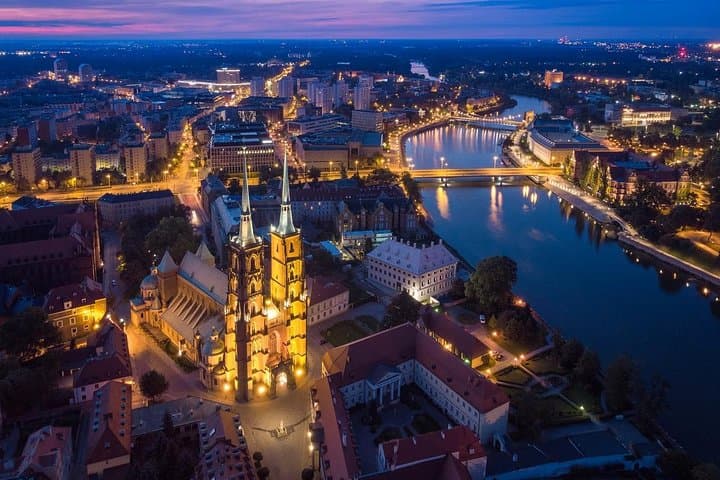
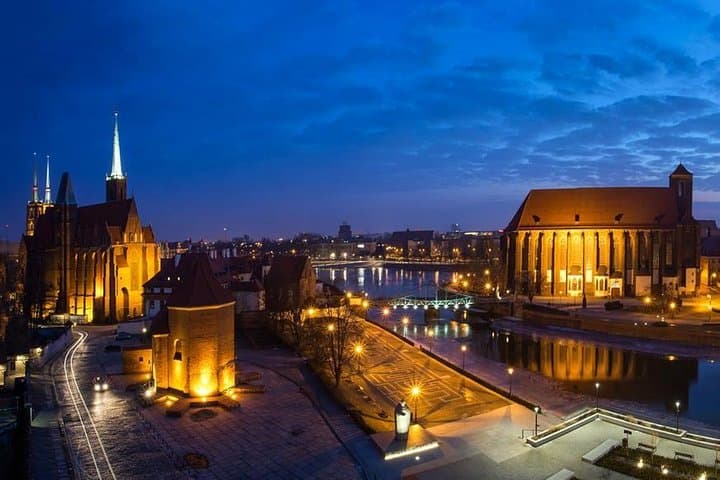
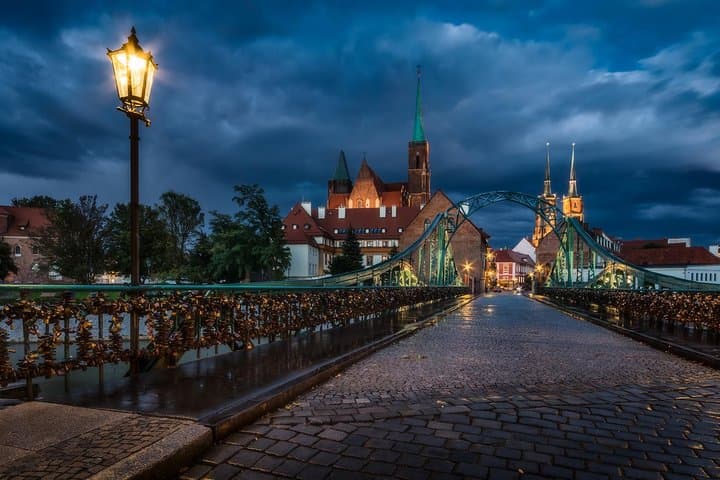
Even before the gas lanterns glow at dusk, the stone steps down to the Oder feel like an invitation: walk across Tumski Bridge and the city’s oldest quarter pulls you forward. On this two-hour private walking tour you thread narrow streets and riverfront quays between Cathedral Island (Ostrów Tumski) and Sand Island (Wyspa Piaskowa), where spires puncture the skyline and river currents seem to dare you to slow down.
Verified experiences and guided adventures in the surrounding area.
Operated by Meet My City · Wroclaw, Lower Silesian Voivodeship
Even before the gas lanterns glow at dusk, the stone steps down to the Oder feel like an invitation: walk across Tumski Bridge and the city’s oldest quarter pulls you forward. On this two-hour private walking tour you thread narrow streets and riverfront quays between Cathedral Island (Ostrów Tumski) and Sand Island (Wyspa Piaskowa), where spires puncture the skyline and river currents seem to dare you to slow down.
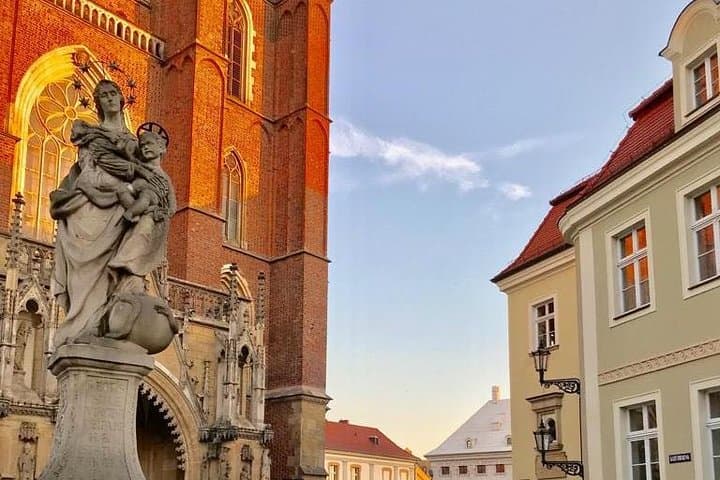
These islands are where Wroclaw began more than a millennium ago. Gothic ribbed vaults and Baroque facades reflect medieval ecclesiastical power and later urban rebuilding; the Cathedral of St. John the Baptist dominates with its twin towers, while the Church of Our Lady on the Sand marks Sand Island’s monumental footprint. Guides often pair architecture with local lore—stories of Casanova’s sojourn, the Dumpling Gate legend and wartime accounts like the Archbishop’s Palace and its Solidarity-era tales.
The geology is simple: low-lying river islands formed by Oder’s channels, with cobbled and paved walking surfaces and almost no elevation gain—expect about 1.5–2.5 km of easy walking. Botanically inclined visitors can detour toward the 19th-century Botanical Garden nearby.
Practical notes: small groups (max 10) and wheelchair-accessible options make the route easy to plan; comfortable shoes and a lightweight rain layer cover variable weather. Bring a camera, ID for cathedral interior visits, and time your tour for golden-hour light on the bridges. This is an urban stroll that reads like a compact history lesson—ideal for travelers who want dense culture on a short, readable route.
easy.
1.5–2 hours.
Light walking ability; suitable for most fitness levels and families
The tour typically starts outside the main entrance of the Cathedral of St. John the Baptist and finishes near Tumski Bridge leading toward Sand Island.
The tour description notes wheelchair accessibility; guides can adapt the route and use paved approaches when needed—check when booking.
Many tours can include interior visits on request, but access depends on service schedules and temporary closures—confirm in advance if interior entry is required.
This is a private small-group experience limited to a maximum of 10 people for a more intimate walk and easier mobility on narrow streets.
Ostrów Tumski is Wroclaw’s oldest district, with ecclesiastical and ducal influence shaping its medieval core; many buildings were rebuilt after WWII but retain historic footprints.
Respect riverbanks and historic façades by staying on paths and avoiding feeding wildlife; local efforts focus on preserving stonework and riverside ecology.
Meet My City operates guided outdoor trips and adventures with an emphasis on safety, stewardship, and memorable experiences.
Even before the gas lanterns glow at dusk, the stone steps down to the Oder feel like an invitation: walk across Tumski Bridge and the city’s oldest quarter pulls you forward. On this two-hour private walking tour you thread narrow streets and riverfront quays between Cathedral Island (Ostrów Tumski) and Sand Island (Wyspa Piaskowa), where spires puncture the skyline and river currents seem to dare you to slow down.
Even before the gas lanterns glow at dusk, the stone steps down to the Oder feel like an invitation: walk across Tumski Bridge and the city’s oldest quarter pulls you forward. On this two-hour private walking tour you thread narrow streets and riverfront quays between Cathedral Island (Ostrów Tumski) and Sand Island (Wyspa Piaskowa), where spires puncture the skyline and river currents seem to dare you to slow down.
These islands are where Wroclaw began more than a millennium ago. Gothic ribbed vaults and Baroque facades reflect medieval ecclesiastical power and later urban rebuilding; the Cathedral of St. John the Baptist dominates with its twin towers, while the Church of Our Lady on the Sand marks Sand Island’s monumental footprint. Guides often pair architecture with local lore—stories of Casanova’s sojourn, the Dumpling Gate legend and wartime accounts like the Archbishop’s Palace and its Solidarity-era tales.
The geology is simple: low-lying river islands formed by Oder’s channels, with cobbled and paved walking surfaces and almost no elevation gain—expect about 1.5–2.5 km of easy walking. Botanically inclined visitors can detour toward the 19th-century Botanical Garden nearby.
Practical notes: small groups (max 10) and wheelchair-accessible options make the route easy to plan; comfortable shoes and a lightweight rain layer cover variable weather. Bring a camera, ID for cathedral interior visits, and time your tour for golden-hour light on the bridges. This is an urban stroll that reads like a compact history lesson—ideal for travelers who want dense culture on a short, readable route.