THE ADVENTURE COLLECTIVE® · Independent discovery and booking for outdoor travel

Cross the bridge from Maputo to Catembe and follow a guided three-hour exploration of local history, Goan fishing heritage, and the Samora Machel homage. This compact cultural tour mixes estuary views with museum stops and bilingual narration.
Cross the bridge from Maputo to Catembe and follow a guided three-hour exploration of local history, Goan fishing heritage, and the Samora Machel homage. This compact cultural tour mixes estuary views with museum stops and bilingual narration.
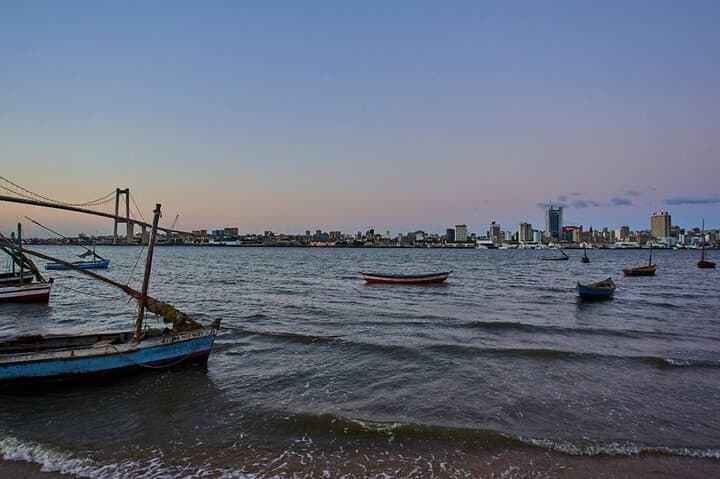
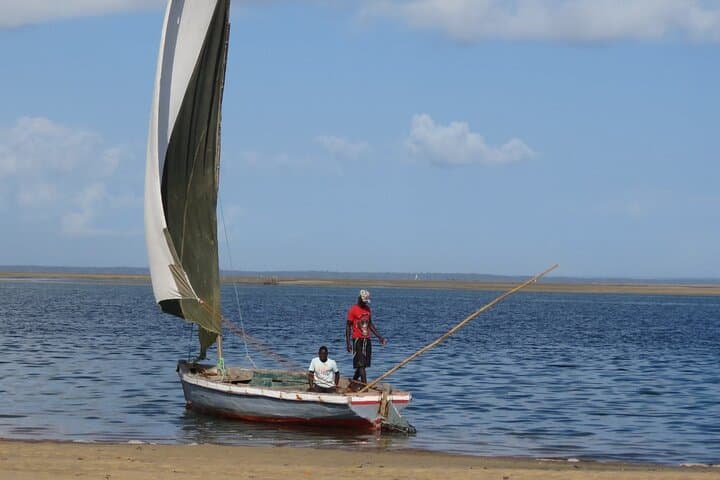
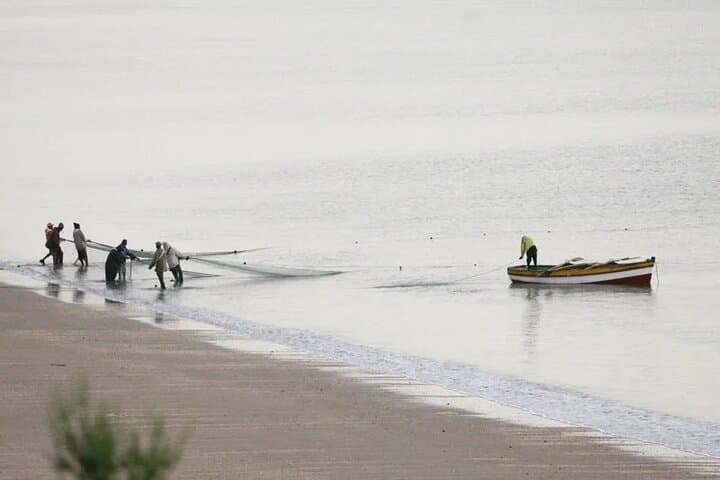
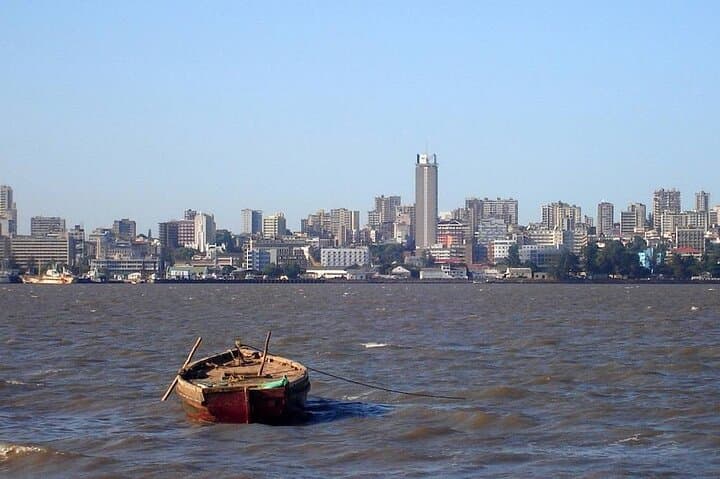
The afternoon wind off Maputo Bay pushes across the bridge and into Catembe, lifting the smell of salt, fish smoke and cooking coals. Walkers step from air-conditioned transport onto sunbaked streets where low concrete houses face wide mangrove-lined estuaries; the guide points out the old landing spots, the faint path where Goan fishermen first hauled nets, and the small memorial at Catembe Gallery Hotel.
Verified experiences and guided adventures in the surrounding area.
Operated by MTS: Managed Travel Services · Catembe, Maputo Province
The afternoon wind off Maputo Bay pushes across the bridge and into Catembe, lifting the smell of salt, fish smoke and cooking coals. Walkers step from air-conditioned transport onto sunbaked streets where low concrete houses face wide mangrove-lined estuaries; the guide points out the old landing spots, the faint path where Goan fishermen first hauled nets, and the small memorial at Catembe Gallery Hotel.
Catembe sits where the Tembe, Mbuluzi, Matola and Infulene rivers braid into the Estuário do Espírito Santo. The town’s name echoes the Tembe chiefdom and a history of regional ties reaching into Eswatini; in the 19th century Goan migrants shaped a local fishing economy that still runs today. Geologically, the shoreline is recent alluvial plain—sandy spits, mangrove flats and tidal channels—so views change with the tide.
Culturally the tour blends oral history, a compact local museum and a stop at the Samora Machel homage where visitors learn about Mozambique’s liberation-era movements. Expect bilingual local guides, small-group commentary, and moments to watch herons stalk the mudflats or see fishers mend nets.
Practically: the shared tour runs about three hours with hotel pickup in Maputo, small groups (up to 14), and short, flat walks—suitable for most fitness levels. Wear sturdy sandals or walking shoes, sun protection, and bring a refillable water bottle. Cameras are welcome but be respectful when photographing people and private yards. Timing the visit around low tide gives clearer views of the estuary channels and mangrove life.
easy.
3 hours.
Suitable for most people who can walk short flat distances and stand through brief explanations.
The tour is approximately three hours and includes hotel pickup in Maputo, an air-conditioned vehicle, bilingual guide services and guided stops at Point Cais/Guaxene, the local history museum and the Samora Machel homage.
Yes—infants and small children can ride in a pram or stroller, but some spots near the estuary are uneven so a carrier may be easier.
Admission for the small local museum is typically included in the tour itinerary; confirm at booking if any special exhibits require extra fees.
Guides are bilingual—commonly Portuguese and English—and will provide historical context and local insights during the walk.
Catembe’s name reflects the Tembe chiefdom and a history of cross-border ties; the town also preserves memories of Mozambique’s liberation era, including Samora Machel’s last stop before exile.
The estuary and mangrove fringes are ecologically sensitive—stick to paths, avoid disturbing mudflats at low tide, and support local vendors to benefit community conservation.
MTS: Managed Travel Services operates guided outdoor trips and adventures with an emphasis on safety, stewardship, and memorable experiences.
The afternoon wind off Maputo Bay pushes across the bridge and into Catembe, lifting the smell of salt, fish smoke and cooking coals. Walkers step from air-conditioned transport onto sunbaked streets where low concrete houses face wide mangrove-lined estuaries; the guide points out the old landing spots, the faint path where Goan fishermen first hauled nets, and the small memorial at Catembe Gallery Hotel.
The afternoon wind off Maputo Bay pushes across the bridge and into Catembe, lifting the smell of salt, fish smoke and cooking coals. Walkers step from air-conditioned transport onto sunbaked streets where low concrete houses face wide mangrove-lined estuaries; the guide points out the old landing spots, the faint path where Goan fishermen first hauled nets, and the small memorial at Catembe Gallery Hotel.
Catembe sits where the Tembe, Mbuluzi, Matola and Infulene rivers braid into the Estuário do Espírito Santo. The town’s name echoes the Tembe chiefdom and a history of regional ties reaching into Eswatini; in the 19th century Goan migrants shaped a local fishing economy that still runs today. Geologically, the shoreline is recent alluvial plain—sandy spits, mangrove flats and tidal channels—so views change with the tide.
Culturally the tour blends oral history, a compact local museum and a stop at the Samora Machel homage where visitors learn about Mozambique’s liberation-era movements. Expect bilingual local guides, small-group commentary, and moments to watch herons stalk the mudflats or see fishers mend nets.
Practically: the shared tour runs about three hours with hotel pickup in Maputo, small groups (up to 14), and short, flat walks—suitable for most fitness levels. Wear sturdy sandals or walking shoes, sun protection, and bring a refillable water bottle. Cameras are welcome but be respectful when photographing people and private yards. Timing the visit around low tide gives clearer views of the estuary channels and mangrove life.