THE ADVENTURE COLLECTIVE® · Independent discovery and booking for outdoor travel

Two hours on gentle, right‑hand waves at Jeffreys Bay gives first‑time surfers a safe, coached introduction. Learn paddling, pop‑ups and lineup etiquette with a small group and experienced instructors.
Two hours on gentle, right‑hand waves at Jeffreys Bay gives first‑time surfers a safe, coached introduction. Learn paddling, pop‑ups and lineup etiquette with a small group and experienced instructors.
You shoulder a soft foam board as the Atlantic cold pushes at your calves and Jeffreys Bay unfolds ahead: long sand, a scattering of shells, and a line of rollers promising a first, honest ride.
Verified experiences and guided adventures in the surrounding area.
Operated by Wavecrest Surf School · Jeffreys Bay, Eastern Cape
You shoulder a soft foam board as the Atlantic cold pushes at your calves and Jeffreys Bay unfolds ahead: long sand, a scattering of shells, and a line of rollers promising a first, honest ride.
This stretch of Eastern Cape coastline has been shaping surfers for decades. Geologically simple—sand-filled embayments and a gradual continental shelf—the bay translates ocean swell into predictable right-hand waves that taught generations how to stand. Culturally the town is shorthand for surf: local shacks, competition history at SuperTubers, and a community that measures time by tides.
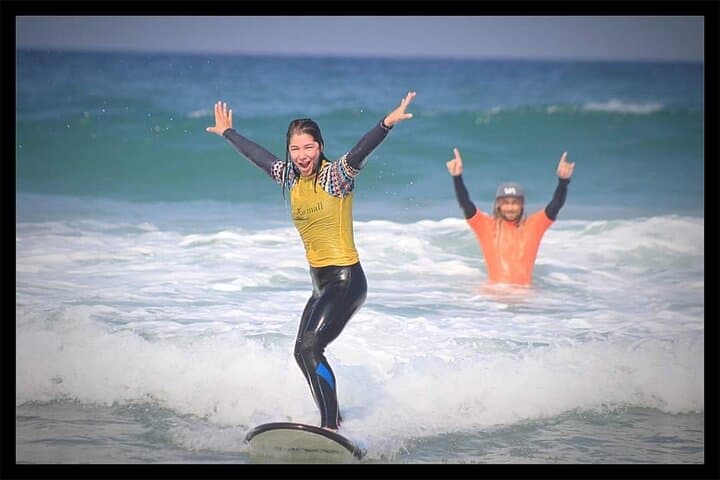
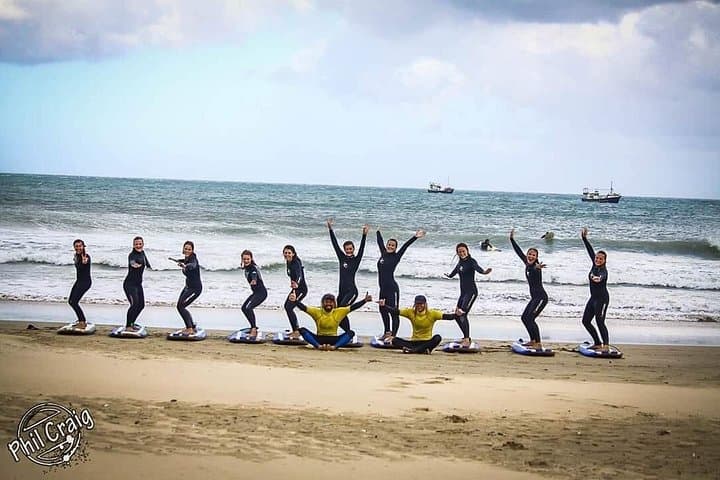
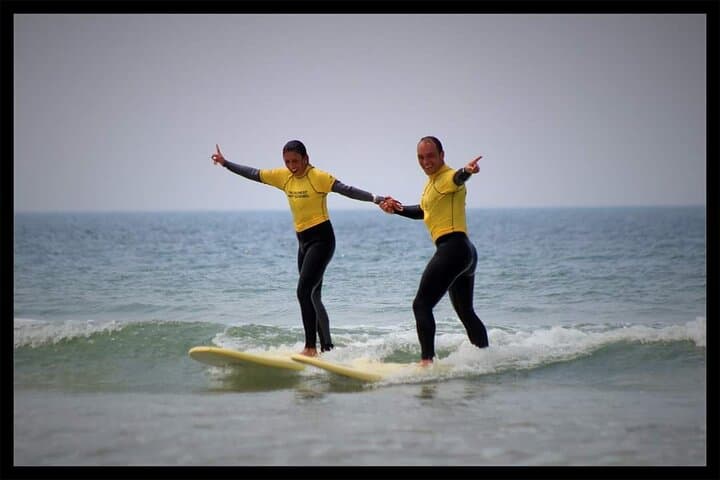
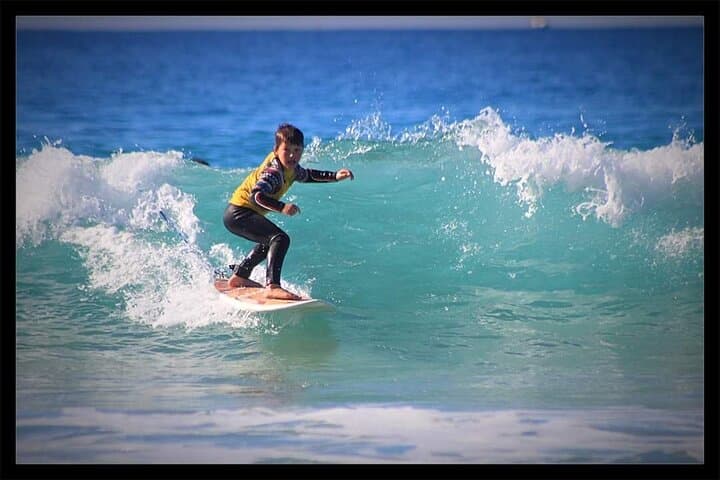
A beginner group lesson here moves fast and practical. Expect an instructor-led warm-up on shore, basic paddling technique, a focus on safety around rips, and repeated short practices in chest-to-shoulder-high waves. Instructors emphasize the pop-up, board control, and reading the lineup; groups are small (max six) so feedback is immediate.
Plan around tides—mid-to-high tide often softens peaks for learners—and pick morning sessions for lighter crowds and cooler winds. Water temps vary seasonally; a wetsuit is common outside of summer. Bring a towel, refillable water bottle, reef-safe sunscreen, and a positive patience: learning a stable pop-up can take several tries.
Health notes: not recommended for pregnant participants or those with spinal injuries, and a moderate fitness baseline helps with repeated paddling. With competent guidance, two hours on these mellow rights can turn nervous paddlers into hooked surfers—if the sea invites you, the hardest part is paddling back out.
moderate.
2 hours.
Moderate — you should be comfortable swimming and able to do short bursts of paddling and pop‑ups
Yes — the lesson includes use of a board and a wetsuit; instructors match equipment to ability and size.
Groups are limited to six students to keep instruction focused and safe.
No — lessons are designed for first‑time surfers, though a moderate fitness level and basic swimming ability are required.
The tour has a standard cancellation policy with full refunds if you cancel at least 24 hours before departure; lessons may run in light rain but are subject to instructor safety decisions for severe conditions.
Jeffreys Bay evolved from a fishing village to an international surf destination; local surf competitions and surfboard shaping have been part of the economy since the late 20th century.
Coastal erosion and increased visitor use pressure dunes and shorebirds—stick to marked access points, avoid trampling vegetation, and use reef‑safe sunscreen.
Wavecrest Surf School operates guided outdoor trips and adventures with an emphasis on safety, stewardship, and memorable experiences.
You shoulder a soft foam board as the Atlantic cold pushes at your calves and Jeffreys Bay unfolds ahead: long sand, a scattering of shells, and a line of rollers promising a first, honest ride.
You shoulder a soft foam board as the Atlantic cold pushes at your calves and Jeffreys Bay unfolds ahead: long sand, a scattering of shells, and a line of rollers promising a first, honest ride.
This stretch of Eastern Cape coastline has been shaping surfers for decades. Geologically simple—sand-filled embayments and a gradual continental shelf—the bay translates ocean swell into predictable right-hand waves that taught generations how to stand. Culturally the town is shorthand for surf: local shacks, competition history at SuperTubers, and a community that measures time by tides.
A beginner group lesson here moves fast and practical. Expect an instructor-led warm-up on shore, basic paddling technique, a focus on safety around rips, and repeated short practices in chest-to-shoulder-high waves. Instructors emphasize the pop-up, board control, and reading the lineup; groups are small (max six) so feedback is immediate.
Plan around tides—mid-to-high tide often softens peaks for learners—and pick morning sessions for lighter crowds and cooler winds. Water temps vary seasonally; a wetsuit is common outside of summer. Bring a towel, refillable water bottle, reef-safe sunscreen, and a positive patience: learning a stable pop-up can take several tries.
Health notes: not recommended for pregnant participants or those with spinal injuries, and a moderate fitness baseline helps with repeated paddling. With competent guidance, two hours on these mellow rights can turn nervous paddlers into hooked surfers—if the sea invites you, the hardest part is paddling back out.