THE ADVENTURE COLLECTIVE® · Independent discovery and booking for outdoor travel

A short guided boat transfer takes you to Cataract Island on the Zambezi for close-up views of Victoria Falls, geology-focused interpretation and optional swims in calmer rock pools. In a compact 90‑minute tour you’ll experience the falls’ scale and local history with safety and seasonal insight.
A short guided boat transfer takes you to Cataract Island on the Zambezi for close-up views of Victoria Falls, geology-focused interpretation and optional swims in calmer rock pools. In a compact 90‑minute tour you’ll experience the falls’ scale and local history with safety and seasonal insight.
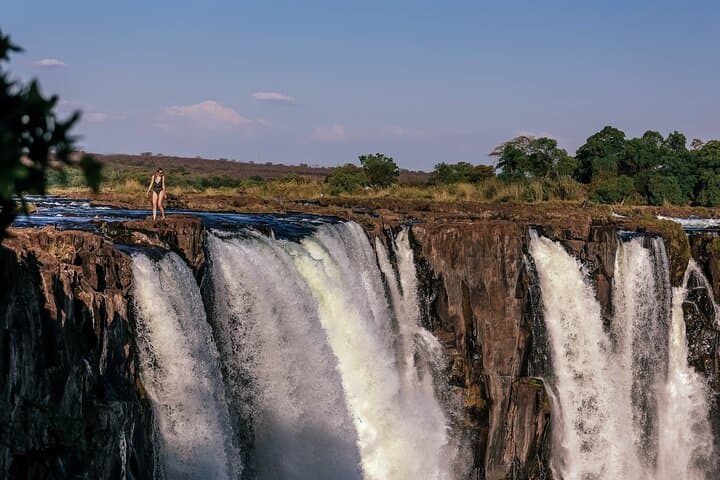
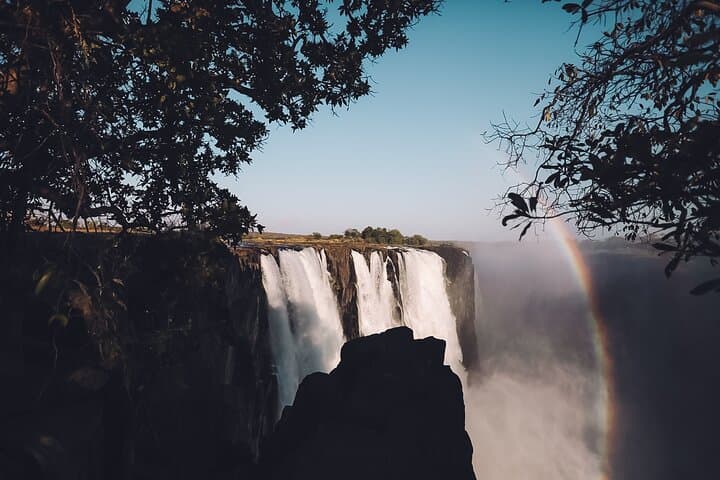
You step off a low boat as the Zambezi murmurs and then demands your attention—the river pushes you toward the cliff where water frees itself and falls. On Cataract Island the current shapes every step; spray reaches for your face and the viewpoints frame the 1.7‑kilometre sheet of Victoria Falls in intimate slices.
Verified experiences and guided adventures in the surrounding area.
Operated by Cataract Pools · Livingstone, Southern Province
You step off a low boat as the Zambezi murmurs and then demands your attention—the river pushes you toward the cliff where water frees itself and falls. On Cataract Island the current shapes every step; spray reaches for your face and the viewpoints frame the 1.7‑kilometre sheet of Victoria Falls in intimate slices.
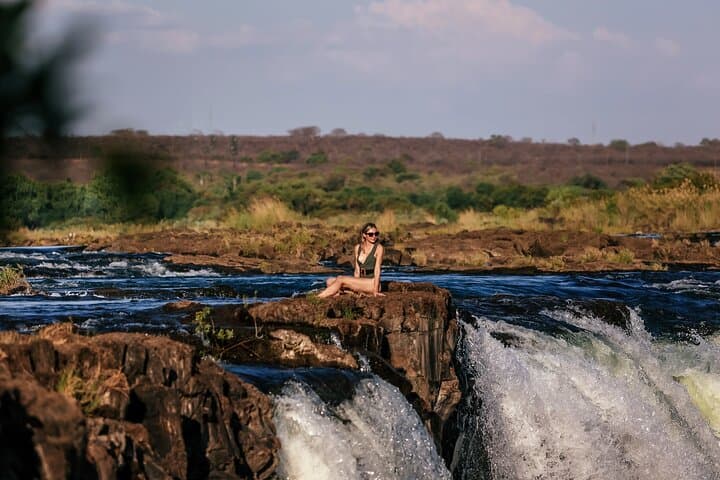
Victoria Falls sits where the Zambezi slices through a basalt plateau, cutting deep gorges and leaving a line of islands at the precipice. David Livingstone brought the falls to European attention in 1855; locally it is Mosi‑oa‑Tunya, “the smoke that thunders.” The geology here is volcanic basalt with plunge pools carved over millennia; the island itself is a compact outcrop of rock, vegetation and rock pools that invite exploration.
The guided excursion is short and focused: a boat transfer from the riverbank, a guided walk of the island’s viewpoints and geological notes, and time in calmer rock pools or — when conditions allow — closer swims at the rim. Expect ranger commentary, National Park fees and strict safety briefings near edges.
Practically: the trip runs about 90 minutes, requires no technical gear but expects basic mobility and comfort with wet footing. Bring a waterproof camera, sun protection, a dry bag for valuables and footwear that can get wet. Travel with ID and park fee included in many bookings; listen to guides at all times — the falls are spectacular precisely because they are powerful. Timing matters: high‑flow months change the character of the pools and access to edge swims, so check seasonal conditions before you go.
moderate.
1.5 hours (90 minutes).
Suitable for most fitness levels; should be comfortable walking on uneven, wet surfaces and able to climb a few short steps
Yes when you follow guide instructions; the island has controlled access and guides will brief on where swimming is allowed and where edges are too dangerous.
Swimming at the rim is seasonal and dependent on water levels and tour rules; guides will advise whether edge swims are permitted on the day.
Most excursions depart from riverfront points in Livingstone or nearby lodges—confirm your pickup point with the operator when you book.
Many operators include park fees in the price, but confirm before booking and carry local currency for any incidental purchases or tips.
David Livingstone publicized the falls in 1855; the site is traditionally known as Mosi‑oa‑Tunya and has long been central to local Tonga communities.
Victoria Falls and adjacent national parks are managed to protect riverine habitats and gorges—stick to trails, avoid single‑use plastics and follow guide guidance to minimize impact.
Cataract Pools operates guided outdoor trips and adventures with an emphasis on safety, stewardship, and memorable experiences.
You step off a low boat as the Zambezi murmurs and then demands your attention—the river pushes you toward the cliff where water frees itself and falls. On Cataract Island the current shapes every step; spray reaches for your face and the viewpoints frame the 1.7‑kilometre sheet of Victoria Falls in intimate slices.
You step off a low boat as the Zambezi murmurs and then demands your attention—the river pushes you toward the cliff where water frees itself and falls. On Cataract Island the current shapes every step; spray reaches for your face and the viewpoints frame the 1.7‑kilometre sheet of Victoria Falls in intimate slices.
Victoria Falls sits where the Zambezi slices through a basalt plateau, cutting deep gorges and leaving a line of islands at the precipice. David Livingstone brought the falls to European attention in 1855; locally it is Mosi‑oa‑Tunya, “the smoke that thunders.” The geology here is volcanic basalt with plunge pools carved over millennia; the island itself is a compact outcrop of rock, vegetation and rock pools that invite exploration.
The guided excursion is short and focused: a boat transfer from the riverbank, a guided walk of the island’s viewpoints and geological notes, and time in calmer rock pools or — when conditions allow — closer swims at the rim. Expect ranger commentary, National Park fees and strict safety briefings near edges.
Practically: the trip runs about 90 minutes, requires no technical gear but expects basic mobility and comfort with wet footing. Bring a waterproof camera, sun protection, a dry bag for valuables and footwear that can get wet. Travel with ID and park fee included in many bookings; listen to guides at all times — the falls are spectacular precisely because they are powerful. Timing matters: high‑flow months change the character of the pools and access to edge swims, so check seasonal conditions before you go.