THE ADVENTURE COLLECTIVE® · Independent discovery and booking for outdoor travel

Run Cataract Canyon’s 120‑mile stretch of the Colorado River on a 3–5 day guided expedition from Moab. Expect big rapids, ancient rock art, riverside camps, and a mix of motorized J‑Rigs and oar raft options.
Run Cataract Canyon’s 120‑mile stretch of the Colorado River on a 3–5 day guided expedition from Moab. Expect big rapids, ancient rock art, riverside camps, and a mix of motorized J‑Rigs and oar raft options.
You step off the shuttle and the canyon swallows sound—the river’s voice grows louder, a steady percussion beneath the cliffs. The Colorado here is not polite: it rakes the canyon with braided currents and sudden drops, daring you forward. Over five days you’ll float roughly 120 miles through sandstone walls carved by time and flood, camp on wide sandbars and run rapids named with blunt honesty—Mile Long, Big Drops, and the Doll House—each one a short, sharp conversation with the river.
Verified experiences and guided adventures in the surrounding area.
Operated by Adrift Adventures · Moab, Utah
You step off the shuttle and the canyon swallows sound—the river’s voice grows louder, a steady percussion beneath the cliffs. The Colorado here is not polite: it rakes the canyon with braided currents and sudden drops, daring you forward. Over five days you’ll float roughly 120 miles through sandstone walls carved by time and flood, camp on wide sandbars and run rapids named with blunt honesty—Mile Long, Big Drops, and the Doll House—each one a short, sharp conversation with the river.
The route threads through the heart of Canyonlands National Park, passing the place where the Green and Colorado rivers meet. Humans have been reading these walls for centuries; ancestral Puebloan sites and pictographs in side canyons speak to a continuous human presence and reverence for the waterway. Geologically, Cataract Canyon is a cathedral built of cross-bedded sandstone, held in place by a basement of resistant shale. Spring runoff—May through early July—turns the river into a whitewater engine; in later summer the water drops but the canyon remains dramatic, offering warm swims and pristine bars for camp.
Expeditions run in motorized J‑Rigs or 18‑foot oar rafts. Guides route the boats, rig camp, and lead short hikes to cliff ruins and overlooks. Meals and National Park fees are included; nights are under the stars with provided tents and communal cooking. Expect early mornings for hikes and long, rewarding afternoons of floating.
Practical nuts and bolts: arrive in Moab the night before your 7:15 a.m. meetup at Adrift Adventures (378 N. Main). The trip ends at Hite Marina with return transport or an optional flight back to Moab. This is not a gentle float—rafts will punch through continuous rapids; participants should have a moderate to high level of fitness and basic swimming ability. The operator flags health restrictions: not recommended for those with serious heart conditions, spinal injuries, or pregnancy.
Pack for extremes—hot days and cold desert nights. Bring a low-profile sunscreen hat, quality water shoes, a sturdy dry bag, and layered clothing that dries fast. Hydrate before and during the trip; the river’s rhythm will make you hungry and dusty. Motion-sickness medication is smart if you’re prone to queasiness; secure cameras in waterproof cases and be ready to hand them to guides before big drops.
On the river, follow guide commands, respect fragile ruins and petroglyphs, and leave camps cleaner than you found them. When the canyon finally opens and you step from the boats, the memory will be of cliffs that push the sky, water that keeps moving, and nights that make the Milky Way feel close enough to touch.
difficult.
3–5 days.
Moderate to high cardiovascular fitness and stamina; comfortable with long days of paddling/holding in rapids and short hikes.
Peak flows are during spring runoff—May through early July—when rapids are largest and most powerful; late summer offers lower flows and easier swims.
No prior rafting experience is required; trips are guided, but participants should be comfortable in moving water and able to follow safety commands.
Trips camp on river sandbars in provided tents; basic camping gear and communal meals are included.
Trips finish at Hite Marina with chartered ground transport returning to Moab (approx. 2.5 hours) or an optional 50‑minute charter flight back.
Children are allowed but must be accompanied by an adult; operator policies and minimum age may vary—check at booking and disclose ages and weights.
Not recommended for pregnant travelers or those with serious heart or spinal conditions due to sustained rapids and physical demands.
The canyon walls hold Ancestral Puebloan pictographs and the river corridor was historically a travel and resource route for Indigenous peoples prior to Euro‑American exploration.
Trips operate inside Canyonlands National Park; follow Leave No Trace, pack out waste, and respect cultural sites—river camps limit impacts through established protocols.
Adrift Adventures operates guided outdoor trips and adventures with an emphasis on safety, stewardship, and memorable experiences.
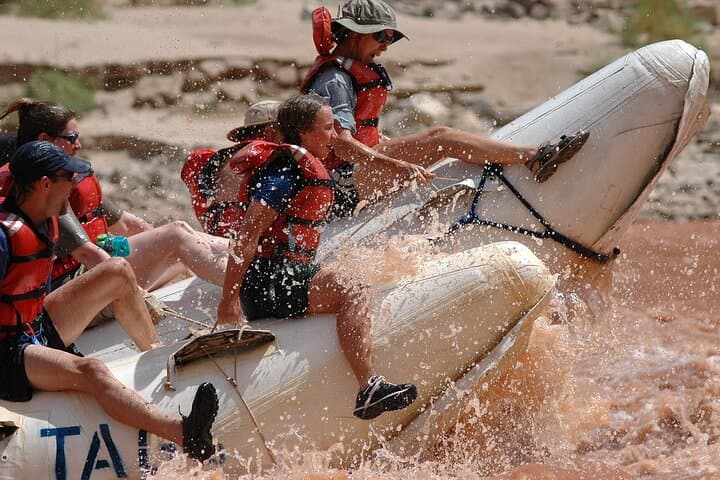
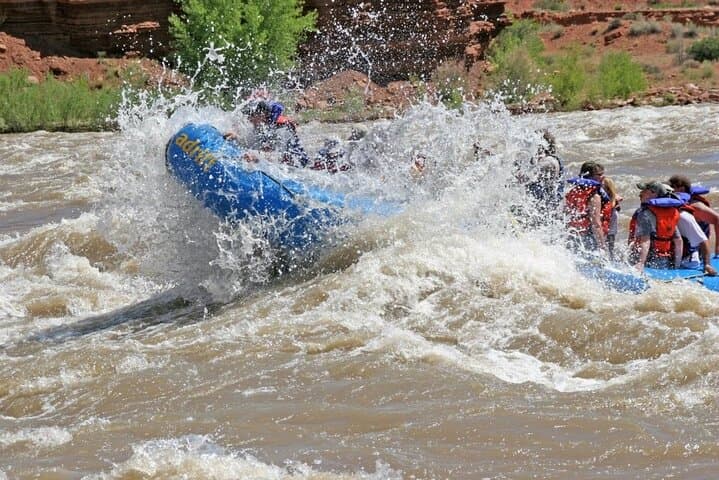
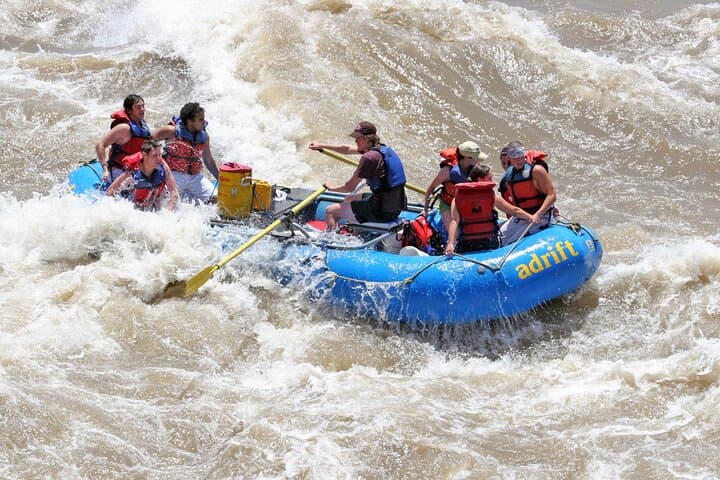
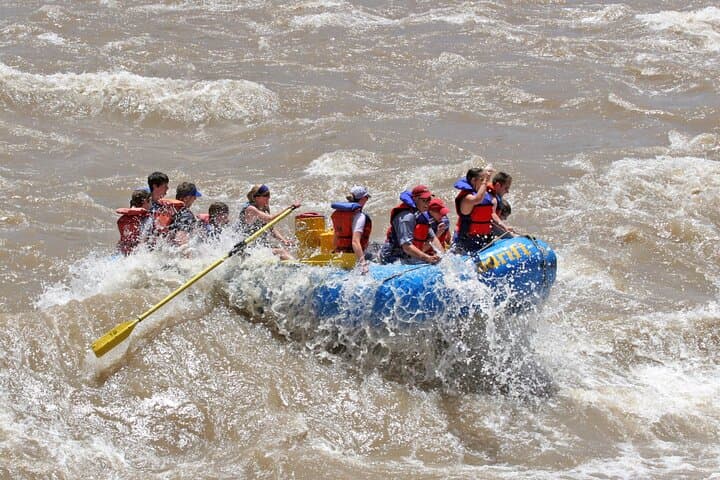
You step off the shuttle and the canyon swallows sound—the river’s voice grows louder, a steady percussion beneath the cliffs. The Colorado here is not polite: it rakes the canyon with braided currents and sudden drops, daring you forward. Over five days you’ll float roughly 120 miles through sandstone walls carved by time and flood, camp on wide sandbars and run rapids named with blunt honesty—Mile Long, Big Drops, and the Doll House—each one a short, sharp conversation with the river.
You step off the shuttle and the canyon swallows sound—the river’s voice grows louder, a steady percussion beneath the cliffs. The Colorado here is not polite: it rakes the canyon with braided currents and sudden drops, daring you forward. Over five days you’ll float roughly 120 miles through sandstone walls carved by time and flood, camp on wide sandbars and run rapids named with blunt honesty—Mile Long, Big Drops, and the Doll House—each one a short, sharp conversation with the river.
The route threads through the heart of Canyonlands National Park, passing the place where the Green and Colorado rivers meet. Humans have been reading these walls for centuries; ancestral Puebloan sites and pictographs in side canyons speak to a continuous human presence and reverence for the waterway. Geologically, Cataract Canyon is a cathedral built of cross-bedded sandstone, held in place by a basement of resistant shale. Spring runoff—May through early July—turns the river into a whitewater engine; in later summer the water drops but the canyon remains dramatic, offering warm swims and pristine bars for camp.
Expeditions run in motorized J‑Rigs or 18‑foot oar rafts. Guides route the boats, rig camp, and lead short hikes to cliff ruins and overlooks. Meals and National Park fees are included; nights are under the stars with provided tents and communal cooking. Expect early mornings for hikes and long, rewarding afternoons of floating.
Practical nuts and bolts: arrive in Moab the night before your 7:15 a.m. meetup at Adrift Adventures (378 N. Main). The trip ends at Hite Marina with return transport or an optional flight back to Moab. This is not a gentle float—rafts will punch through continuous rapids; participants should have a moderate to high level of fitness and basic swimming ability. The operator flags health restrictions: not recommended for those with serious heart conditions, spinal injuries, or pregnancy.
Pack for extremes—hot days and cold desert nights. Bring a low-profile sunscreen hat, quality water shoes, a sturdy dry bag, and layered clothing that dries fast. Hydrate before and during the trip; the river’s rhythm will make you hungry and dusty. Motion-sickness medication is smart if you’re prone to queasiness; secure cameras in waterproof cases and be ready to hand them to guides before big drops.
On the river, follow guide commands, respect fragile ruins and petroglyphs, and leave camps cleaner than you found them. When the canyon finally opens and you step from the boats, the memory will be of cliffs that push the sky, water that keeps moving, and nights that make the Milky Way feel close enough to touch.