THE ADVENTURE COLLECTIVE® · Independent discovery and booking for outdoor travel

Walk Catania’s lava-black streets with a licensed guide and discover how Mount Etna and the 1693 earthquake shaped the city’s baroque heart. This 2–3 hour guided route mixes architecture, markets, and volcanic geology for an accessible urban adventure.
Walk Catania’s lava-black streets with a licensed guide and discover how Mount Etna and the 1693 earthquake shaped the city’s baroque heart. This 2–3 hour guided route mixes architecture, markets, and volcanic geology for an accessible urban adventure.
Morning light throws plate-glass glints off black basalt as the group gathers in Piazza Duomo. A licensed guide waits at the GS infopoint, voice tuned to history; behind them the Duomo’s façade bears scars and stories — Norman bones reworked in Sicilian Baroque. The city breathes around you: vendors calling at the fish market, tram bells, footsteps on rounded lava pebbles.
Verified experiences and guided adventures in the surrounding area.
Operated by GuidingSicily · Catania, Sicily
Morning light throws plate-glass glints off black basalt as the group gathers in Piazza Duomo. A licensed guide waits at the GS infopoint, voice tuned to history; behind them the Duomo’s façade bears scars and stories — Norman bones reworked in Sicilian Baroque. The city breathes around you: vendors calling at the fish market, tram bells, footsteps on rounded lava pebbles.
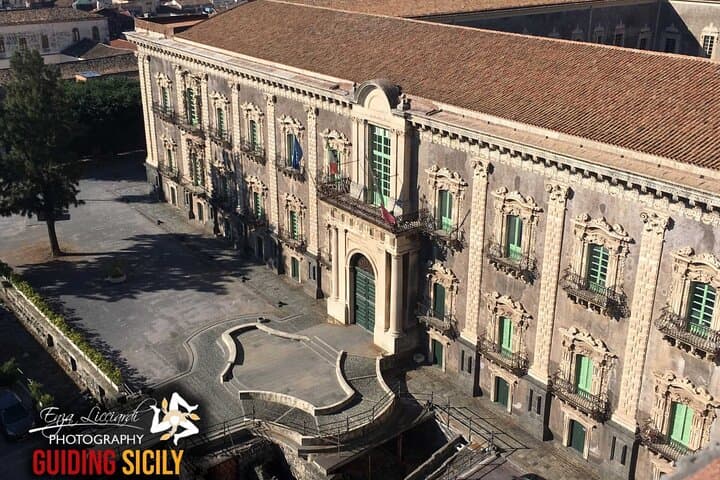
Catania’s story is geological and human. Repeated Etna eruptions and the 1693 earthquake reshaped streets and rebuilt civic life in volcanic stone and ornate baroque. The Swabian Castello Ursino stands as a volcanic-era landmark that once watched the sea until a lava flow altered the coastline. University courtyards, palazzi and churches map layers of rule from Norman to Spanish viceroys.
Culturally the tour moves between orchards of sound: market sellers hawk swordfish and citrus, while baroque façades assert civic pride. Local guide commentary links architecture to daily rituals — where students once argued in lava-strewn courtyards, and where the elephant fountain, the liotru, anchors civic identity.
Practically, expect 2–3 hours of mostly flat walking on cobbles and basalt; comfortable shoes and a light jacket are sensible. Tours run in Italian and English, and other languages may be available by request. Morning slots include the fish market’s atmosphere; afternoons emphasize palazzi and quieter alleys. Respect busy market sellers, keep valuables secure, and give yourself time afterward to linger at a café and let the city’s flavors register.
easy.
2–3 hours.
Light walking stamina; suitable for most fitness levels including families and older adults
Meet at the GS infopoint in Piazza Duomo in front of Catania Cathedral; guides check in there before departure.
Tours are offered in Italian and English; German, Spanish, Russian, Greek and French may be available on request depending on guide availability.
Yes — the route is wheelchair and stroller accessible, though some market areas can be crowded; notify the operator of accessibility needs when booking.
Full refund if canceled at least 24 hours before the scheduled departure; tours may be canceled for bad weather or low bookings.
Catania was repeatedly reshaped by Mount Etna’s eruptions and the catastrophic 1693 earthquake; the post-1693 rebuilding produced much of the city’s distinctive Sicilian Baroque.
Support licensed guides and local vendors to keep tourism benefits local; avoid leaving litter in market zones and follow any photography restrictions in churches.
GuidingSicily operates guided outdoor trips and adventures with an emphasis on safety, stewardship, and memorable experiences.
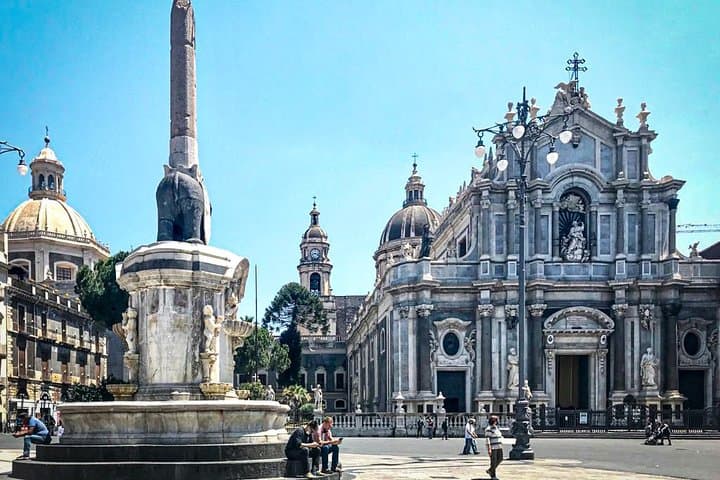
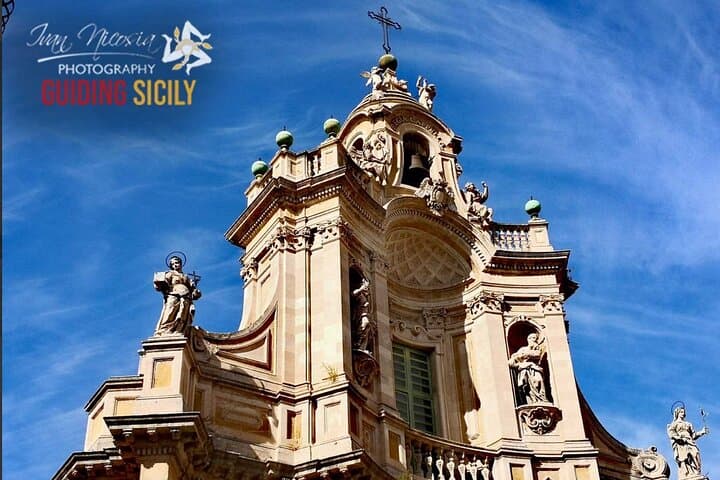
Morning light throws plate-glass glints off black basalt as the group gathers in Piazza Duomo. A licensed guide waits at the GS infopoint, voice tuned to history; behind them the Duomo’s façade bears scars and stories — Norman bones reworked in Sicilian Baroque. The city breathes around you: vendors calling at the fish market, tram bells, footsteps on rounded lava pebbles.
Morning light throws plate-glass glints off black basalt as the group gathers in Piazza Duomo. A licensed guide waits at the GS infopoint, voice tuned to history; behind them the Duomo’s façade bears scars and stories — Norman bones reworked in Sicilian Baroque. The city breathes around you: vendors calling at the fish market, tram bells, footsteps on rounded lava pebbles.
Catania’s story is geological and human. Repeated Etna eruptions and the 1693 earthquake reshaped streets and rebuilt civic life in volcanic stone and ornate baroque. The Swabian Castello Ursino stands as a volcanic-era landmark that once watched the sea until a lava flow altered the coastline. University courtyards, palazzi and churches map layers of rule from Norman to Spanish viceroys.
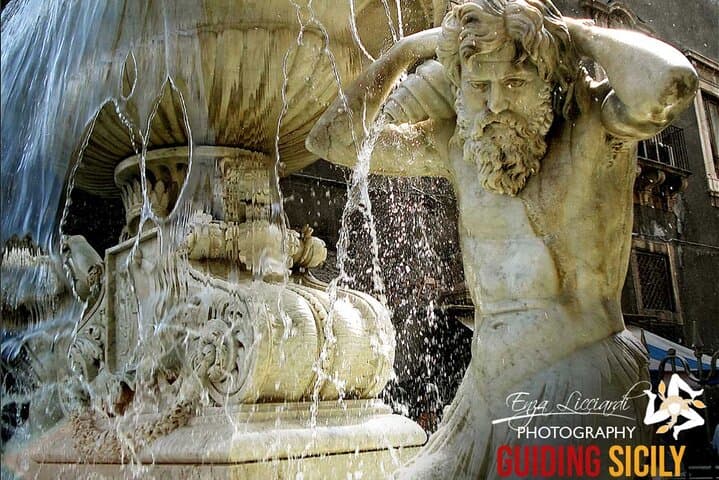
Culturally the tour moves between orchards of sound: market sellers hawk swordfish and citrus, while baroque façades assert civic pride. Local guide commentary links architecture to daily rituals — where students once argued in lava-strewn courtyards, and where the elephant fountain, the liotru, anchors civic identity.
Practically, expect 2–3 hours of mostly flat walking on cobbles and basalt; comfortable shoes and a light jacket are sensible. Tours run in Italian and English, and other languages may be available by request. Morning slots include the fish market’s atmosphere; afternoons emphasize palazzi and quieter alleys. Respect busy market sellers, keep valuables secure, and give yourself time afterward to linger at a café and let the city’s flavors register.