THE ADVENTURE COLLECTIVE® · Independent discovery and booking for outdoor travel

Walk Catania’s Baroque heart from Duomo Square to the fish market on a two-hour guided route that explains volcanic stone, 17th-century rebuilding, and local food culture. Ideal for first-time visitors who want context and directions for further exploration.
Walk Catania’s Baroque heart from Duomo Square to the fish market on a two-hour guided route that explains volcanic stone, 17th-century rebuilding, and local food culture. Ideal for first-time visitors who want context and directions for further exploration.
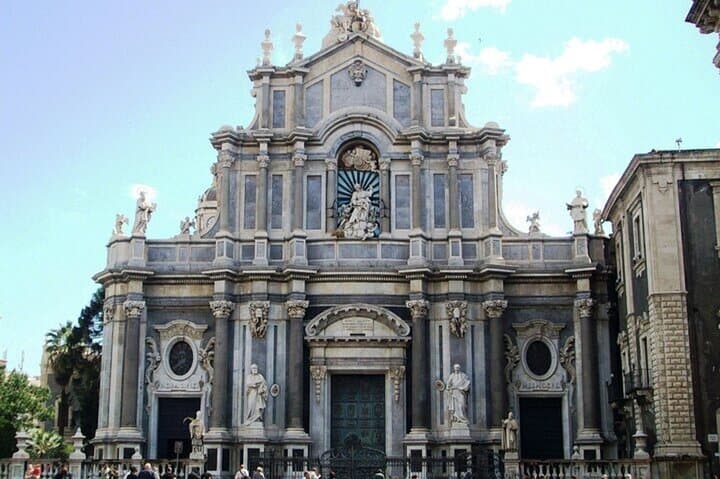
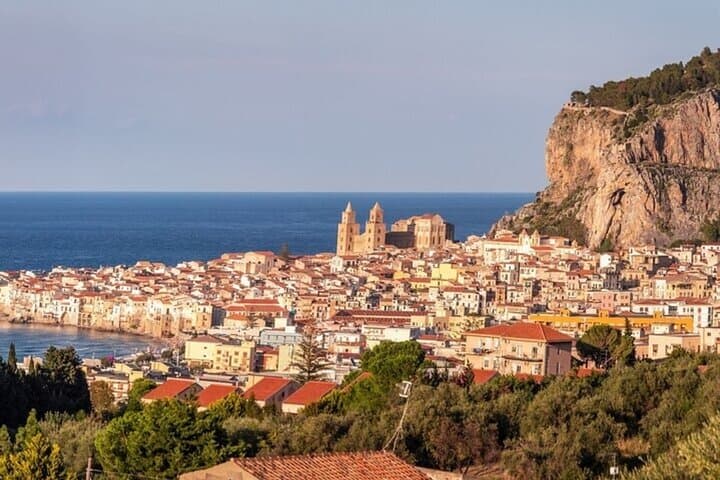
You meet your guide on Via Etnea and the city unfolds: cobbled streets that angle toward the sea, the cathedral’s white volcano-stone façade catching the light, and a market that seems to speak in shouts and salt. For two hours the tour threads between piazzas and churches, pausing where history is most audible—stone, smoke, and story.
Verified experiences and guided adventures in the surrounding area.
Operated by Guydeez · Catania, Sicily
You meet your guide on Via Etnea and the city unfolds: cobbled streets that angle toward the sea, the cathedral’s white volcano-stone façade catching the light, and a market that seems to speak in shouts and salt. For two hours the tour threads between piazzas and churches, pausing where history is most audible—stone, smoke, and story.
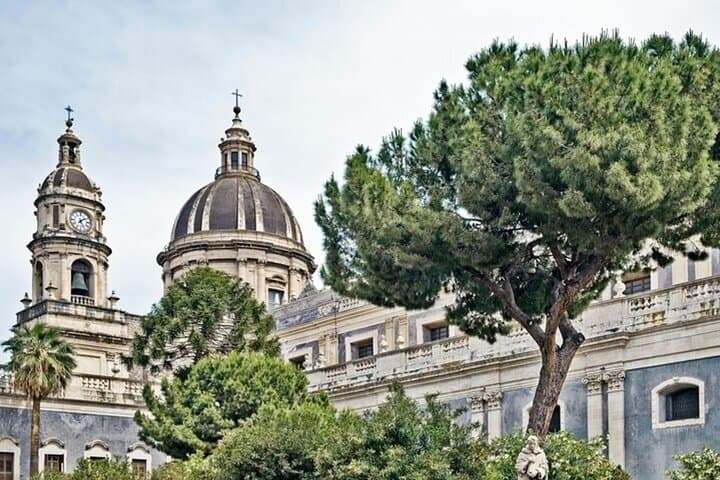
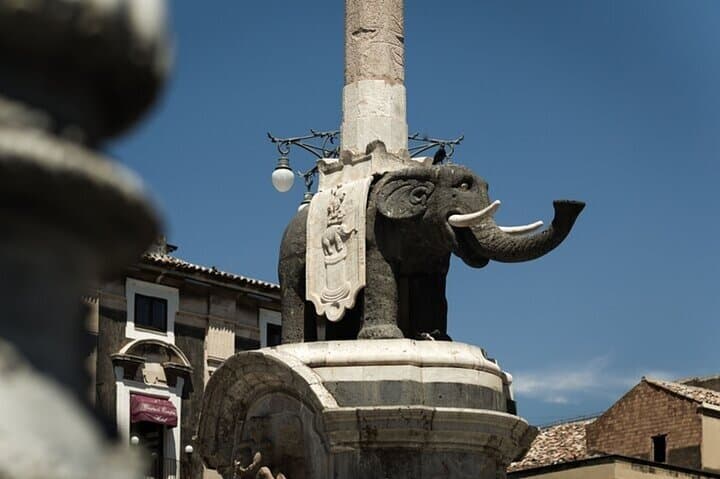
Catania’s architecture carries the imprint of Mount Etna. Many buildings are hewn from dark lava or rebuilt after the 1693 earthquake that reshaped southeastern Sicily and spawned the Baroque streets you’ll walk today. From the Norman-era Ursino Castle to the Benedictine Monastery of San Nicolò l’Arena, each stop reveals layers of civic life: Roman amphitheater fragments in Piazza Stesicoro, university facades in Piazza dell’Università, and the living, loud economy of the fish market.
The guide will frame local customs—market bargaining, seasonal seafood specialties, and the university’s long presence—while pointing out architectural details like twisted columns and carved stone coats of arms. Expect easy walking on cobbles and occasional raised curbs; the route is adapted for accessibility but includes historic surfaces.
Practical notes: plan this in the morning to avoid heat and crowding, bring water and sturdy shoes, and carry a light layer for coastal breezes. Photography is welcome; interior entry is not included, so check opening times if you want museum access after the walk. The tour is private or small-group, ideal for a concentrated primer on Catania before exploring further on your own.
easy.
2 hours.
Suitable for most fitness levels; requires standing and walking on uneven historic pavement for up to two hours.
No; this is an outdoor walking tour and does not include entrance fees to interiors—check opening hours if you want to enter museums afterward.
The tour is marked as accessible, but historic cobblestones and some thresholds may still present minor barriers—contact the operator to discuss specific needs.
Guides are available in English, Spanish, French, German, and Italian; confirm language when booking.
Private and small-group options are offered; group tours require a minimum of two participants for the group option.
Catania was largely rebuilt after the 1693 earthquake, which led to the distinctive Sicilian Baroque urban plan you’ll see; Ursino Castle dates to the 13th century under Frederick II.
Historic preservation efforts focus on stabilizing volcano-stone facades and managing tourist impact in sensitive squares; avoid touching fragile reliefs and follow local signage.
Guydeez operates guided outdoor trips and adventures with an emphasis on safety, stewardship, and memorable experiences.
You meet your guide on Via Etnea and the city unfolds: cobbled streets that angle toward the sea, the cathedral’s white volcano-stone façade catching the light, and a market that seems to speak in shouts and salt. For two hours the tour threads between piazzas and churches, pausing where history is most audible—stone, smoke, and story.
You meet your guide on Via Etnea and the city unfolds: cobbled streets that angle toward the sea, the cathedral’s white volcano-stone façade catching the light, and a market that seems to speak in shouts and salt. For two hours the tour threads between piazzas and churches, pausing where history is most audible—stone, smoke, and story.
Catania’s architecture carries the imprint of Mount Etna. Many buildings are hewn from dark lava or rebuilt after the 1693 earthquake that reshaped southeastern Sicily and spawned the Baroque streets you’ll walk today. From the Norman-era Ursino Castle to the Benedictine Monastery of San Nicolò l’Arena, each stop reveals layers of civic life: Roman amphitheater fragments in Piazza Stesicoro, university facades in Piazza dell’Università, and the living, loud economy of the fish market.
The guide will frame local customs—market bargaining, seasonal seafood specialties, and the university’s long presence—while pointing out architectural details like twisted columns and carved stone coats of arms. Expect easy walking on cobbles and occasional raised curbs; the route is adapted for accessibility but includes historic surfaces.
Practical notes: plan this in the morning to avoid heat and crowding, bring water and sturdy shoes, and carry a light layer for coastal breezes. Photography is welcome; interior entry is not included, so check opening times if you want museum access after the walk. The tour is private or small-group, ideal for a concentrated primer on Catania before exploring further on your own.