THE ADVENTURE COLLECTIVE® · Independent discovery and booking for outdoor travel

Walk Catania’s baroque heart with a private guide—Piazza Duomo, a Roman theater, and Castello Ursino framed by Mount Etna. This 3–4 hour tour pairs geology and history with practical local tips for an easy city stroll.
Walk Catania’s baroque heart with a private guide—Piazza Duomo, a Roman theater, and Castello Ursino framed by Mount Etna. This 3–4 hour tour pairs geology and history with practical local tips for an easy city stroll.
You step out into Piazza Duomo and the city answers—black lava paving cool underfoot, the baroque facades tightening the view like a stage. The Fontana dell’Elefante presides, as if guarding a history written by ash and sea breeze. Overhead, Via Etnea runs straight toward Mount Etna, whose long memory of eruptions has shaped both stone and story here.
Verified experiences and guided adventures in the surrounding area.
Operated by Italo Giordano (archeologo e tour guide) · Catania, Sicily
You step out into Piazza Duomo and the city answers—black lava paving cool underfoot, the baroque facades tightening the view like a stage. The Fontana dell’Elefante presides, as if guarding a history written by ash and sea breeze. Overhead, Via Etnea runs straight toward Mount Etna, whose long memory of eruptions has shaped both stone and story here.
Catania’s present cityscape is largely the result of the catastrophic 1693 earthquake; the rebuilt town is one of Europe’s clearest expressions of Sicilian Baroque. Walks on this private, guided 3–4 hour tour thread through the essentials: Piazza Duomo and the Cathedral of Saint Agatha, the most baroque street (Via Crociferi/Via Etnea stretch), Roman theater ruins excavated near the modern center, and the medieval Castello Ursino founded by Frederick II. Geology is visible—the dark basalt used in façades and pavements is Etna’s legacy; archaeology sits beside living neighborhoods.
Expect several easy, mostly flat cobbled blocks punctuated by steps at ruins and museum entrances. Your guide will connect artifacts to local culture—religious festivals for Saint Agatha, the fish market’s daily bustle, and how Etna’s eruptions redirected trade and rebuilding. Practical notes: bring closed-toe shoes for cobbles, a water bottle for warm months, and plan mornings or late afternoons to avoid the high sun. The tour is private and wheelchair-accessible in large sections, but check specific site access if mobility is a concern. With a guide, the city’s layers—Roman, medieval, Baroque, volcanic—become readable and immediate, a walking history that moves at the pace of discovery.
easy.
3–4 hours.
Light fitness required—sustained standing and walking over 2–3 kilometers with periodic stops.
The private guided tour runs about 3–4 hours at an easy pace with frequent stops for history, photos, and museum/ruin visits.
Much of the route is on flat city streets and is wheelchair accessible, but some archaeological sites have steps—check specific access with the operator before booking.
The guide will explain Etna’s geological influence on Catania and point out views, but this city tour does not include an ascent of the volcano itself.
Language availability varies by booking; confirm when reserving. Tipping isn’t required but is customary for excellent private-guided service.
Catania was largely rebuilt after the 1693 earthquake in a distinctive Sicilian Baroque style; earlier Roman and medieval layers remain visible in city ruins and fortress walls.
Historic preservation and tourism management focus on protecting fragile archaeological sites; stick to marked paths and avoid touching exposed masonry to minimize wear.
Italo Giordano (archeologo e tour guide) operates guided outdoor trips and adventures with an emphasis on safety, stewardship, and memorable experiences.
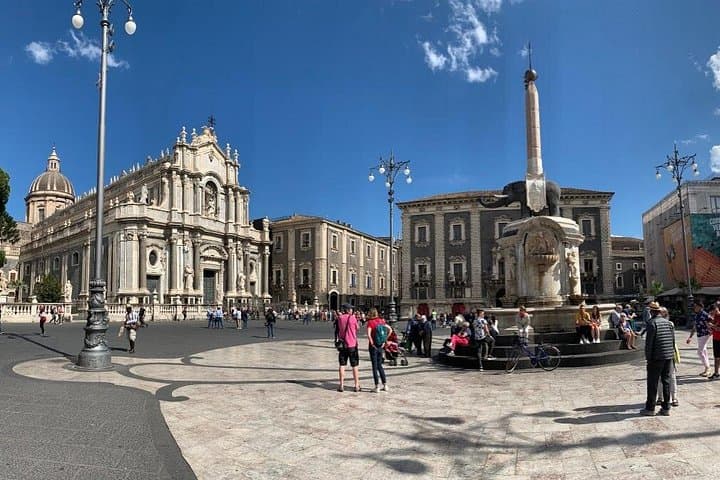
You step out into Piazza Duomo and the city answers—black lava paving cool underfoot, the baroque facades tightening the view like a stage. The Fontana dell’Elefante presides, as if guarding a history written by ash and sea breeze. Overhead, Via Etnea runs straight toward Mount Etna, whose long memory of eruptions has shaped both stone and story here.
You step out into Piazza Duomo and the city answers—black lava paving cool underfoot, the baroque facades tightening the view like a stage. The Fontana dell’Elefante presides, as if guarding a history written by ash and sea breeze. Overhead, Via Etnea runs straight toward Mount Etna, whose long memory of eruptions has shaped both stone and story here.
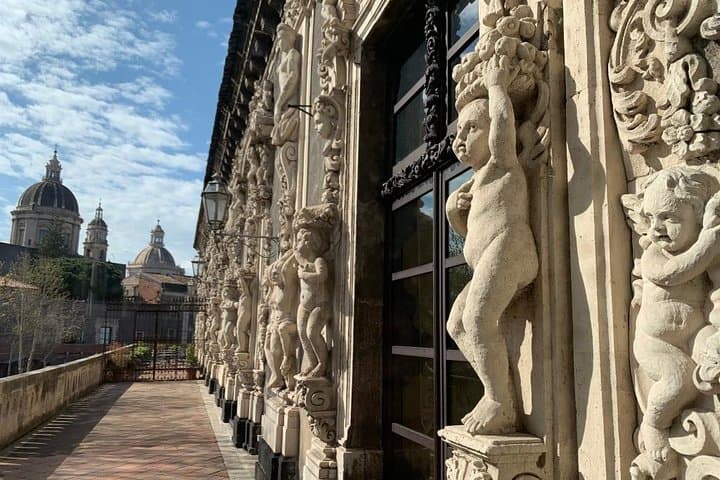
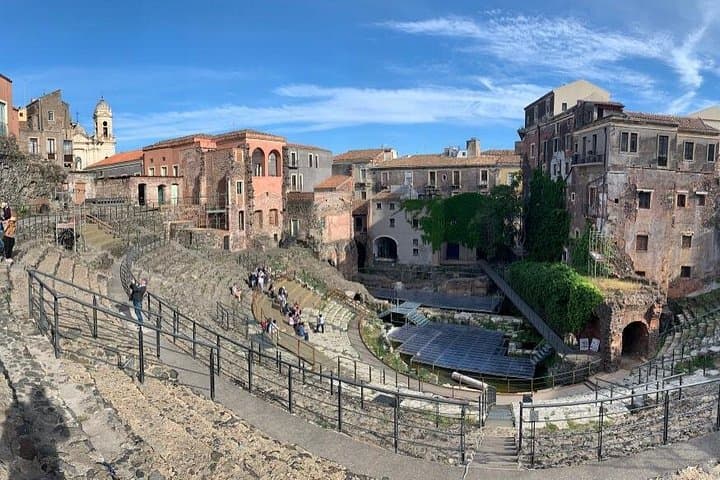
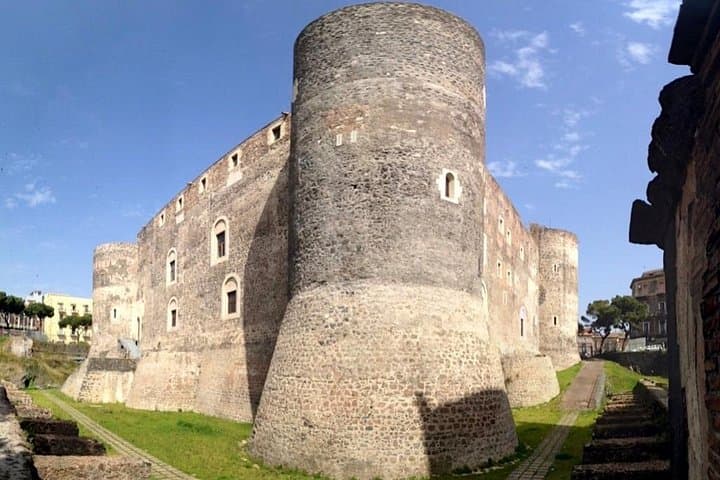
Catania’s present cityscape is largely the result of the catastrophic 1693 earthquake; the rebuilt town is one of Europe’s clearest expressions of Sicilian Baroque. Walks on this private, guided 3–4 hour tour thread through the essentials: Piazza Duomo and the Cathedral of Saint Agatha, the most baroque street (Via Crociferi/Via Etnea stretch), Roman theater ruins excavated near the modern center, and the medieval Castello Ursino founded by Frederick II. Geology is visible—the dark basalt used in façades and pavements is Etna’s legacy; archaeology sits beside living neighborhoods.
Expect several easy, mostly flat cobbled blocks punctuated by steps at ruins and museum entrances. Your guide will connect artifacts to local culture—religious festivals for Saint Agatha, the fish market’s daily bustle, and how Etna’s eruptions redirected trade and rebuilding. Practical notes: bring closed-toe shoes for cobbles, a water bottle for warm months, and plan mornings or late afternoons to avoid the high sun. The tour is private and wheelchair-accessible in large sections, but check specific site access if mobility is a concern. With a guide, the city’s layers—Roman, medieval, Baroque, volcanic—become readable and immediate, a walking history that moves at the pace of discovery.