THE ADVENTURE COLLECTIVE® · Independent discovery and booking for outdoor travel

A short catamaran ride from La Romana leads to Isla Catalina’s vivid coral gardens and a private sandbar—an accessible day trip built around snorkeling and beach time. Expect a 9–10 hour excursion with guided snorkel stops, lunch, and hotel transfers.
A short catamaran ride from La Romana leads to Isla Catalina’s vivid coral gardens and a private sandbar—an accessible day trip built around snorkeling and beach time. Expect a 9–10 hour excursion with guided snorkel stops, lunch, and hotel transfers.
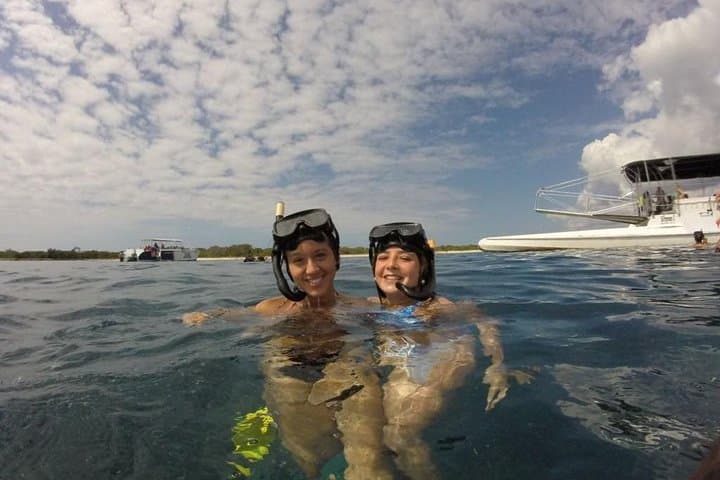
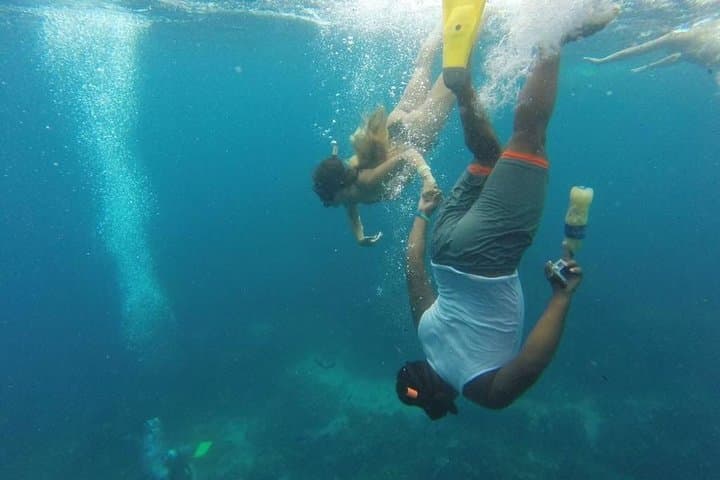
You step off the bus at La Romana's sleepy dock and the ocean announces itself—salt bright on the air, a catamaran's hull rocking like a patient animal as crew haul gear. The ride to Isla Catalina is a short, clean cut through turquoise; 20–30 minutes of wind and spray that pushes you into the present. When the reef appears beneath the boat, it doesn't whisper—fish flash and corals take over the water with color so immediate it feels deliberate.
Verified experiences and guided adventures in the surrounding area.
Operated by Shopy Dominican Tours · La Romana, La Romana Province
You step off the bus at La Romana's sleepy dock and the ocean announces itself—salt bright on the air, a catamaran's hull rocking like a patient animal as crew haul gear. The ride to Isla Catalina is a short, clean cut through turquoise; 20–30 minutes of wind and spray that pushes you into the present. When the reef appears beneath the boat, it doesn't whisper—fish flash and corals take over the water with color so immediate it feels deliberate.
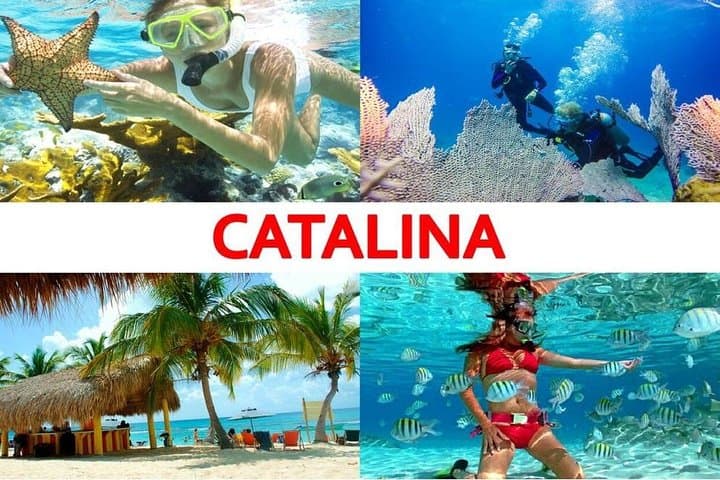
Catalina sits on the outer edge of the Dominican Republic's coral bank. The island is small and low, a slab of limestone and ancient reef that has built up over millennia. Indigenous Taíno fishermen knew these waters well; later, Spanish and colonial vessels used the chain of islets off La Romana as reference points. Today the reefs around Catalina—especially the snorkel site known locally as La Pared—are a living record of Caribbean geology and marine ecology: finger corals, brain corals and sponges forming terraces against sandy gutters where parrotfish graze and the occasional sea turtle drifts like a slow ship.
Culture here is as much maritime as it is mainland: crews are fluent in Spanish and in hospitality, and the day trip routine—hotel pickup, souvenir stop, a guided snorkel, beach time and buffet—reflects decades of tourism shaped to be efficient and convivial. Listen for the guide's briefings; they compress local knowledge into the few minutes before you slip over the rail.
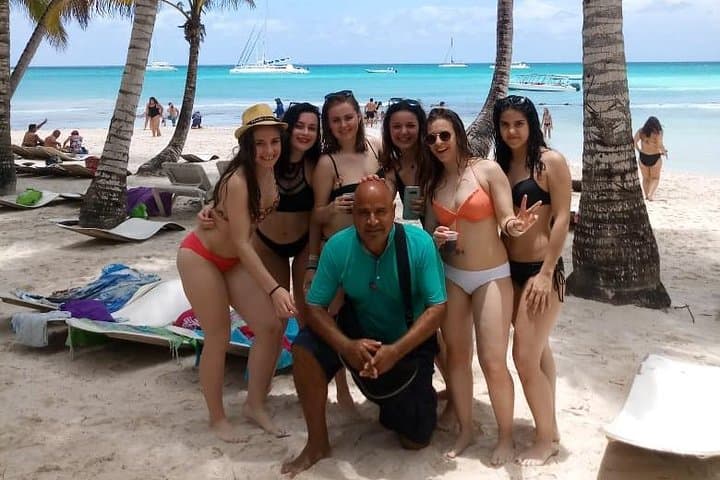
Practicalities matter: the full excursion runs roughly 9–10 hours door-to-door with hotel pickup between about 6:30–8:00, a 10:30 arrival at La Romana’s port, and returns mid-afternoon. The boat time to Catalina is short, but currents and weather can change visibility—mornings are typically calmer. Use reef-safe sunscreen, arrive with a mask that fits, and be prepared to swim in open water for 20–40 minutes during guided snorkel stops. Snorkel equipment and a buffet lunch are included along with an open bar and hotel transfers; staff usually allow time to relax on a private stretch of the island beach after snorkeling.
Safety notes: if you’re prone to seasickness take precautions before boarding; if you’re not a confident swimmer ask for a flotation vest. Respect the reef—no touching or standing on coral—and follow guide instructions to protect both yourself and the underwater habitat. For photographers, morning light and the catamaran bow give clean sea-to-sky compositions; underwater shots are best with a short, wide lens or compact waterproof camera. For travelers who want a straightforward, high-return maritime day, Catalina’s reef delivers—bright fish, close coral gardens, and a palm-backed beach that invites a slow, salt-dried afternoon.
moderate.
9–10 hours.
Moderate fitness—comfortable swimming and the ability to board a boat and swim 20–40 minutes during guided snorkel sessions.
The crossing from La Romana to Isla Catalina typically takes 20–30 minutes depending on sea conditions.
Yes—snorkel gear is included, though many travelers prefer to bring their own mask for fit and comfort.
You should be comfortable in open water; flotation vests are usually available for less confident swimmers—notify staff if you need one.
Yes—a buffet lunch and open bar are provided as part of the tour package.
Children are allowed but require supervision; check age restrictions and note that constant supervision in the water is essential.
The operator cancels for unsafe weather and offers a full refund if cancelled at least 24 hours beforehand, per the cancellation policy.
Isla Catalina is part of the geological coral platforms that shape the southeastern Dominican coastline; local seafaring and indigenous fishing traditions use these waters for generations.
The reefs are sensitive—use reef-safe sunscreen, avoid touching coral, and follow guide rules to reduce damage and support local conservation efforts.
Shopy Dominican Tours operates guided outdoor trips and adventures with an emphasis on safety, stewardship, and memorable experiences.
You step off the bus at La Romana's sleepy dock and the ocean announces itself—salt bright on the air, a catamaran's hull rocking like a patient animal as crew haul gear. The ride to Isla Catalina is a short, clean cut through turquoise; 20–30 minutes of wind and spray that pushes you into the present. When the reef appears beneath the boat, it doesn't whisper—fish flash and corals take over the water with color so immediate it feels deliberate.
You step off the bus at La Romana's sleepy dock and the ocean announces itself—salt bright on the air, a catamaran's hull rocking like a patient animal as crew haul gear. The ride to Isla Catalina is a short, clean cut through turquoise; 20–30 minutes of wind and spray that pushes you into the present. When the reef appears beneath the boat, it doesn't whisper—fish flash and corals take over the water with color so immediate it feels deliberate.
Catalina sits on the outer edge of the Dominican Republic's coral bank. The island is small and low, a slab of limestone and ancient reef that has built up over millennia. Indigenous Taíno fishermen knew these waters well; later, Spanish and colonial vessels used the chain of islets off La Romana as reference points. Today the reefs around Catalina—especially the snorkel site known locally as La Pared—are a living record of Caribbean geology and marine ecology: finger corals, brain corals and sponges forming terraces against sandy gutters where parrotfish graze and the occasional sea turtle drifts like a slow ship.
Culture here is as much maritime as it is mainland: crews are fluent in Spanish and in hospitality, and the day trip routine—hotel pickup, souvenir stop, a guided snorkel, beach time and buffet—reflects decades of tourism shaped to be efficient and convivial. Listen for the guide's briefings; they compress local knowledge into the few minutes before you slip over the rail.
Practicalities matter: the full excursion runs roughly 9–10 hours door-to-door with hotel pickup between about 6:30–8:00, a 10:30 arrival at La Romana’s port, and returns mid-afternoon. The boat time to Catalina is short, but currents and weather can change visibility—mornings are typically calmer. Use reef-safe sunscreen, arrive with a mask that fits, and be prepared to swim in open water for 20–40 minutes during guided snorkel stops. Snorkel equipment and a buffet lunch are included along with an open bar and hotel transfers; staff usually allow time to relax on a private stretch of the island beach after snorkeling.
Safety notes: if you’re prone to seasickness take precautions before boarding; if you’re not a confident swimmer ask for a flotation vest. Respect the reef—no touching or standing on coral—and follow guide instructions to protect both yourself and the underwater habitat. For photographers, morning light and the catamaran bow give clean sea-to-sky compositions; underwater shots are best with a short, wide lens or compact waterproof camera. For travelers who want a straightforward, high-return maritime day, Catalina’s reef delivers—bright fish, close coral gardens, and a palm-backed beach that invites a slow, salt-dried afternoon.