THE ADVENTURE COLLECTIVE® · Independent discovery and booking for outdoor travel

Set off from Bayahibe for a half-day snorkel to Catalina Island, where clear water and a dramatic reef drop called “The Wall” offer close encounters with parrotfish and rays. This guided outing includes gear, lunch and boat transfers—ideal for travelers with basic swimming skills.
Set off from Bayahibe for a half-day snorkel to Catalina Island, where clear water and a dramatic reef drop called “The Wall” offer close encounters with parrotfish and rays. This guided outing includes gear, lunch and boat transfers—ideal for travelers with basic swimming skills.
A bobbing boat slides away from Bayahibe as the shoreline falls into a ribbon of palms and low coastal scrub. Salt and diesel mix in the air, and the guide points to a low, rocky silhouette ahead: Catalina Island. The sea here turns clear and blue-green, and the first inhale tastes like coral and sun.
Verified experiences and guided adventures in the surrounding area.
Operated by Somos Viaje Punta Cana · Bayahibe, La Altagracia
A bobbing boat slides away from Bayahibe as the shoreline falls into a ribbon of palms and low coastal scrub. Salt and diesel mix in the air, and the guide points to a low, rocky silhouette ahead: Catalina Island. The sea here turns clear and blue-green, and the first inhale tastes like coral and sun.
The island sits on a limestone shelf off the southeastern Dominican Republic, shaped by uplifted reef and Pleistocene terraces. Taíno people fished these waters long before colonial ports rose on the mainland; today local skippers and guides run short excursions that concentrate on snorkeling “The Wall,” a steep drop-off where coral gardens and schooling fish thicken with depth.
Culture onshore is low-key beach life: palms, a few rustic palapas, and Dominican flavors at midday—grilled meats, rice and fresh fruit. Geologically, the reef is fragile; currents sweep along the shelf and visibility depends on swell and runoff.
Practical side: expect a guided swim at a principal reef site and free time on a sandy cay. Boats provide masks, fins and life vests; a beach lunch and open bar are typically included. Plan for sun, splash and movement—secure loose gear and bring reef-safe sunscreen, a snug mask and a quick-dry towel.
Timing matters: calm mornings give the best visibility; seasonal winds and tropical storms can roughen the ride. For travelers with average fitness and basic swimming ability, the trip is accessible and rewarding—an efficient way to touch an active reef environment while sampling Dominican coastal culture.
moderate.
6–10 hours.
Moderate fitness and comfort in open water; able to swim short distances and tread water.
Typical crossings are 20–40 minutes depending on sea state and the route the operator takes.
No—basic swimming ability and comfort in open water are required; guides provide safety briefings and life vests.
Yes; most tours include snorkeling gear, but a personal mask often fits better and fogs less.
Children can usually join if they can swim and follow safety instructions; infants must sit on an adult’s lap per the operator notes.
The waters around Catalina were historically fished by Taíno communities; the island later became a local fishing and small‑scale tourism spot for La Romana and Bayahibe residents.
Coral reefs here are vulnerable to bleaching and anchor damage—follow guide instructions, avoid touching coral and use reef‑safe products.
Somos Viaje Punta Cana operates guided outdoor trips and adventures with an emphasis on safety, stewardship, and memorable experiences.


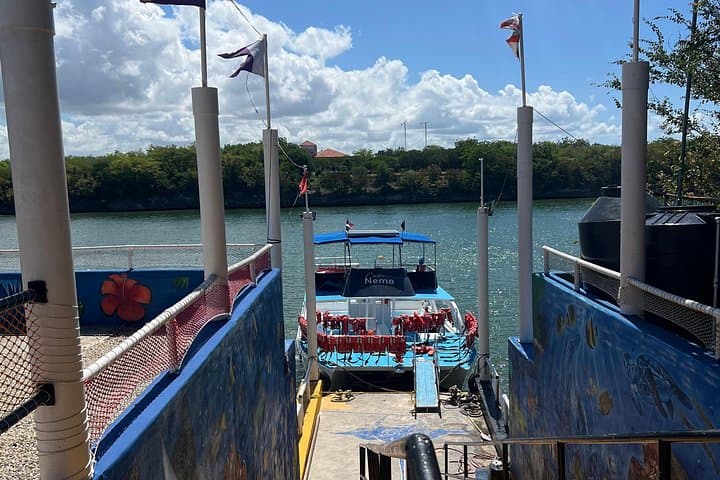
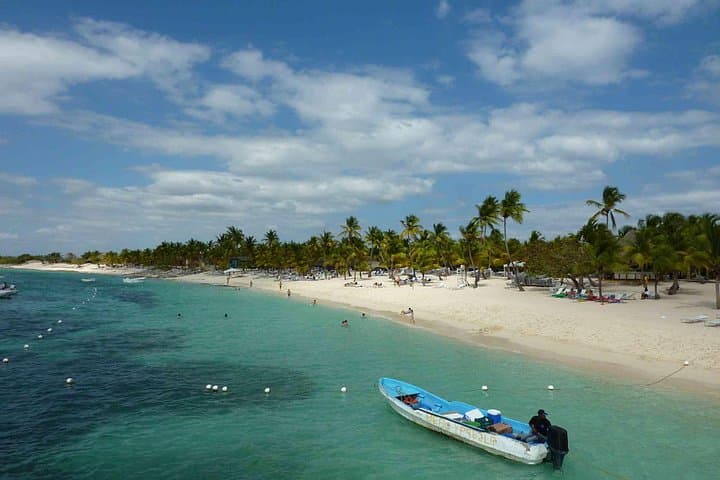
A bobbing boat slides away from Bayahibe as the shoreline falls into a ribbon of palms and low coastal scrub. Salt and diesel mix in the air, and the guide points to a low, rocky silhouette ahead: Catalina Island. The sea here turns clear and blue-green, and the first inhale tastes like coral and sun.
A bobbing boat slides away from Bayahibe as the shoreline falls into a ribbon of palms and low coastal scrub. Salt and diesel mix in the air, and the guide points to a low, rocky silhouette ahead: Catalina Island. The sea here turns clear and blue-green, and the first inhale tastes like coral and sun.
The island sits on a limestone shelf off the southeastern Dominican Republic, shaped by uplifted reef and Pleistocene terraces. Taíno people fished these waters long before colonial ports rose on the mainland; today local skippers and guides run short excursions that concentrate on snorkeling “The Wall,” a steep drop-off where coral gardens and schooling fish thicken with depth.
Culture onshore is low-key beach life: palms, a few rustic palapas, and Dominican flavors at midday—grilled meats, rice and fresh fruit. Geologically, the reef is fragile; currents sweep along the shelf and visibility depends on swell and runoff.
Practical side: expect a guided swim at a principal reef site and free time on a sandy cay. Boats provide masks, fins and life vests; a beach lunch and open bar are typically included. Plan for sun, splash and movement—secure loose gear and bring reef-safe sunscreen, a snug mask and a quick-dry towel.
Timing matters: calm mornings give the best visibility; seasonal winds and tropical storms can roughen the ride. For travelers with average fitness and basic swimming ability, the trip is accessible and rewarding—an efficient way to touch an active reef environment while sampling Dominican coastal culture.