THE ADVENTURE COLLECTIVE® · Independent discovery and booking for outdoor travel

Board the Catalina Express at Long Beach for a one-way ferry to Avalon—an hour on the Pacific with coastal views, onboard amenities, and easy access to Avalon’s pedestrian streets. Read practical tips for timing, gear, and what to expect when you arrive.
Board the Catalina Express at Long Beach for a one-way ferry to Avalon—an hour on the Pacific with coastal views, onboard amenities, and easy access to Avalon’s pedestrian streets. Read practical tips for timing, gear, and what to expect when you arrive.
The ferry horn cuts through the salt air as the Catalina Express eases away from the Catalina Landing in Long Beach. Pacific swell rocks the hull in a steady rhythm; gulls circle like impatient guides. In roughly an hour the shoreline of Avalon materializes—a small, walkable town painted against Catalina’s granite slopes.
Verified experiences and guided adventures in the surrounding area.
Operated by Catalina Express · Long Beach, California
The ferry horn cuts through the salt air as the Catalina Express eases away from the Catalina Landing in Long Beach. Pacific swell rocks the hull in a steady rhythm; gulls circle like impatient guides. In roughly an hour the shoreline of Avalon materializes—a small, walkable town painted against Catalina’s granite slopes.
Catalina Island sits off Southern California’s mainland, shaped by ancient uplifted granites and carved by marine action. The Tongva people first navigated these waters; later, private owners and philanthropists like William Wrigley Jr. shaped Avalon into a recreational outpost in the early 20th century. Today the island balances tourism, a small-town vibe, and conservation—much of the interior is managed by the Catalina Island Conservancy.
Onboard the Catalina Express you’ll find comfortable seating, restrooms, and a small snack service, while the crew points out marine life when visible. The trip is straightforward but seasonal: summer offers warmer seas and busy docks; winter brings sharper light and the chance to spot migrating whales.
Practicalities matter. This is a one-way ticket—book your return or onward transport in advance. Arrive early at Catalina Landing; security lines and boarding change with peak loads. Bring layers—the ocean breeze cools fast—and motion-sickness remedies if you’re prone. Avalon is compact and largely pedestrian; rental golf carts, bikes, and guided excursions are available once you disembark. Credit cards and ATMs are common, but small shops may prefer card tap.
Whether you’re headed for a day of snorkeling, a hike up to the Casino building, or a simple waterfront lunch, the ferry is the reliable gateway to Catalina’s dramatic shoreline and slower pace.
easy.
1 hour.
Minimal—accessible to most travelers; mobility assistance and wheelchair access available
This listing is for one-way service from Long Beach to Avalon; you must book the return leg separately if you plan to come back the same day.
Yes—restrooms are available onboard the Catalina Express vessels.
Ferries can accommodate bikes, strollers, and surfboards, but space varies by sailing—check with the operator before boarding.
All sales are final for this fare; the operator may cancel for severe weather, in which case refunds are handled per their policy.
Catalina was inhabited by the Tongva people for thousands of years; Avalon became a leisure destination after early 20th-century development and investment by figures such as William Wrigley Jr.
Much of Catalina is managed by the Catalina Island Conservancy; visitors should stay on trails, avoid feeding wildlife, and follow Leave No Trace principles to protect fragile island ecosystems.
Catalina Express operates guided outdoor trips and adventures with an emphasis on safety, stewardship, and memorable experiences.
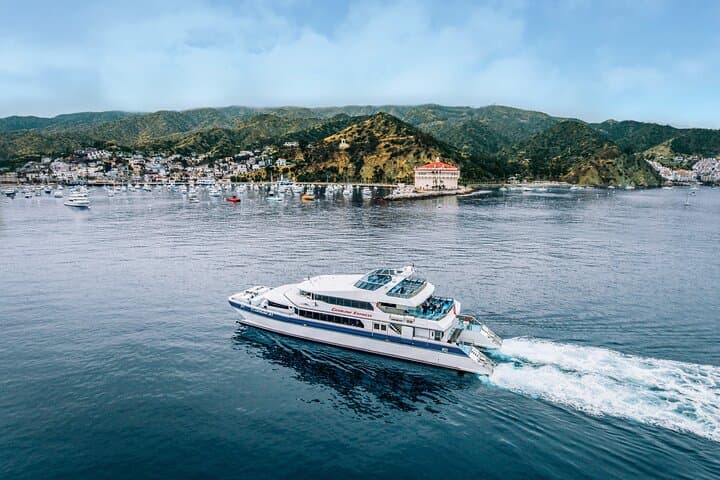



The ferry horn cuts through the salt air as the Catalina Express eases away from the Catalina Landing in Long Beach. Pacific swell rocks the hull in a steady rhythm; gulls circle like impatient guides. In roughly an hour the shoreline of Avalon materializes—a small, walkable town painted against Catalina’s granite slopes.
The ferry horn cuts through the salt air as the Catalina Express eases away from the Catalina Landing in Long Beach. Pacific swell rocks the hull in a steady rhythm; gulls circle like impatient guides. In roughly an hour the shoreline of Avalon materializes—a small, walkable town painted against Catalina’s granite slopes.
Catalina Island sits off Southern California’s mainland, shaped by ancient uplifted granites and carved by marine action. The Tongva people first navigated these waters; later, private owners and philanthropists like William Wrigley Jr. shaped Avalon into a recreational outpost in the early 20th century. Today the island balances tourism, a small-town vibe, and conservation—much of the interior is managed by the Catalina Island Conservancy.
Onboard the Catalina Express you’ll find comfortable seating, restrooms, and a small snack service, while the crew points out marine life when visible. The trip is straightforward but seasonal: summer offers warmer seas and busy docks; winter brings sharper light and the chance to spot migrating whales.
Practicalities matter. This is a one-way ticket—book your return or onward transport in advance. Arrive early at Catalina Landing; security lines and boarding change with peak loads. Bring layers—the ocean breeze cools fast—and motion-sickness remedies if you’re prone. Avalon is compact and largely pedestrian; rental golf carts, bikes, and guided excursions are available once you disembark. Credit cards and ATMs are common, but small shops may prefer card tap.
Whether you’re headed for a day of snorkeling, a hike up to the Casino building, or a simple waterfront lunch, the ferry is the reliable gateway to Catalina’s dramatic shoreline and slower pace.