THE ADVENTURE COLLECTIVE® · Independent discovery and booking for outdoor travel

Venture beneath Rome’s Appian Way to walk candlelit corridors carved into volcanic tuff. This two-hour guided tour visits major catacombs where early Christians buried martyrs, left frescoes and hid symbols of faith—an organized, accessible way to experience Rome’s underground history.
Venture beneath Rome’s Appian Way to walk candlelit corridors carved into volcanic tuff. This two-hour guided tour visits major catacombs where early Christians buried martyrs, left frescoes and hid symbols of faith—an organized, accessible way to experience Rome’s underground history.
You step off the bus on the Appian Way and the city’s noise thins; the air grows cooler and the world tilts downwards as the guide opens a low arched doorway. Light slants along rutted stone steps and the first tunnel swallows the sound of footsteps—the catacombs beckon with a quiet that feels intentional, as if the rock itself is listening.
Verified experiences and guided adventures in the surrounding area.
Operated by Rental and Tour · Rome, Lazio
You step off the bus on the Appian Way and the city’s noise thins; the air grows cooler and the world tilts downwards as the guide opens a low arched doorway. Light slants along rutted stone steps and the first tunnel swallows the sound of footsteps—the catacombs beckon with a quiet that feels intentional, as if the rock itself is listening.
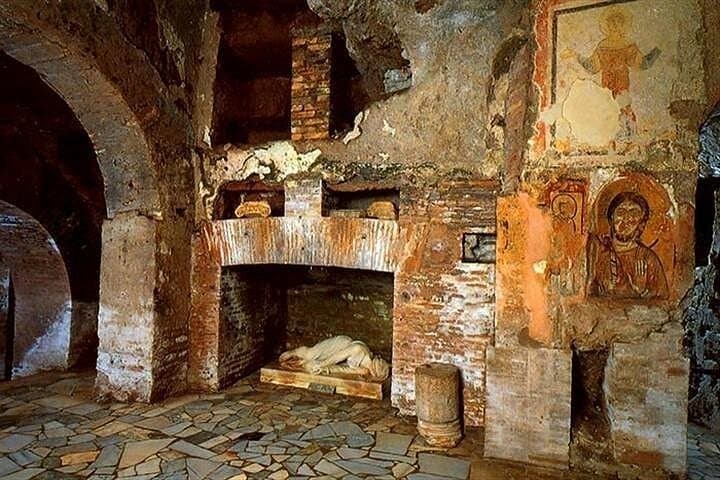
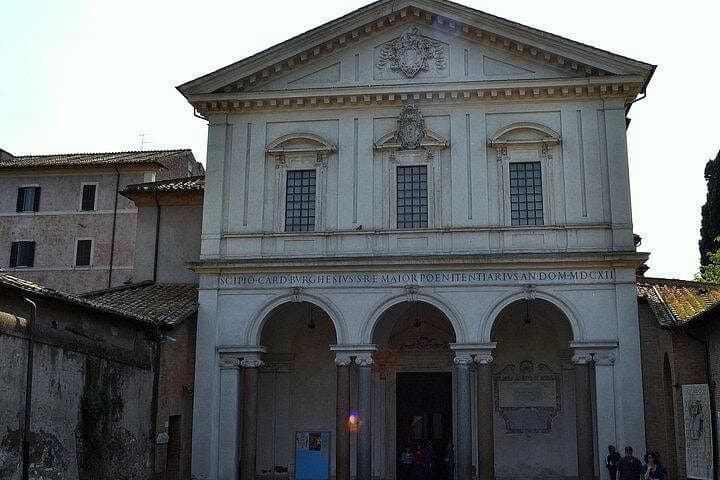
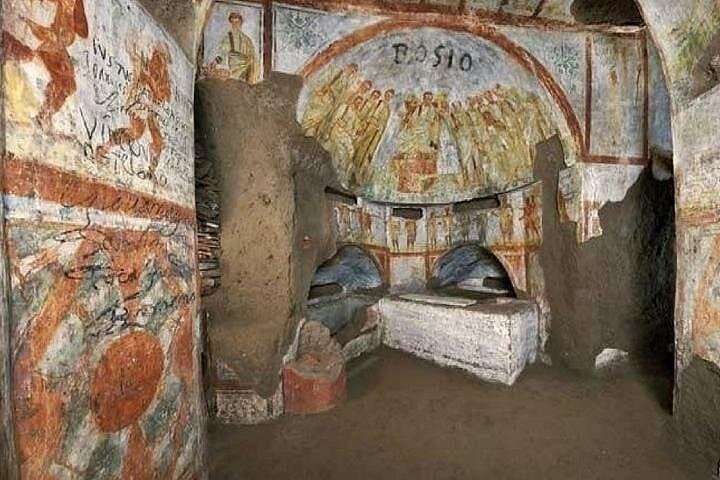
Bored into soft volcanic tuff beginning in the 2nd century AD, these subterranean galleries were born from necessity and became sacred ground. Early Christians, slaves and freedmen chose these slopes outside Rome to bury their dead, carving niches, frescoed chapels and crypts where inscriptions and symbols map belief and resistance. At St. Callixtus you’ll find the Crypt of St. Cecilia; at San Sebastiano the slope itself has kept traces of earlier pagan burials.
Geology is practical here—the tufa holds chambers and preserves pigment; humidity and constant cool temperatures slow decay, but visitor numbers and touchable surfaces stress fragile art. Guides blend archaeology with local lore, pointing out the discreet emblems early believers used to speak to one another without words.
For visitors: wear closed-toe shoes and a light jacket—temperatures sit around the mid-teens Celsius year-round. Narrow passages, low ceilings and stairs make this a moderate mobility challenge; photography rules vary and flash is often prohibited. Expect 2 hours on a guided route through two catacombs, shared with small groups, and follow the guide’s timing—they control access to protect the site. Bring water before you enter and leave phones on silent; down there, the past prefers to be heard, not broadcast.
easy.
2 hours.
Basic mobility required—able to navigate steps and low passages; not recommended for those with severe claustrophobia or mobility impairments without assistance.
Most catacombs include stairs and narrow passages; access is limited—contact the operator ahead for pickup options and any accessible alternatives.
Photography rules vary by site and often prohibit flash to protect pigments; always follow your guide’s instructions.
Guides commonly speak English and Italian; check the tour listing for language options or request in advance at booking.
The tour is family-friendly but tight tunnels and darkness can be challenging for young children or those with claustrophobia—use your discretion and inform the operator of special needs.
These catacombs began in the 2nd century AD as expanded burial grounds outside Rome’s city limits; they later became focal points for Christian memory and martyr cults.
Visitor numbers and humidity stress ancient pigments and inscriptions—follow guide instructions, avoid touching surfaces and respect restricted areas to protect fragile archaeology.
Rental and Tour operates guided outdoor trips and adventures with an emphasis on safety, stewardship, and memorable experiences.
You step off the bus on the Appian Way and the city’s noise thins; the air grows cooler and the world tilts downwards as the guide opens a low arched doorway. Light slants along rutted stone steps and the first tunnel swallows the sound of footsteps—the catacombs beckon with a quiet that feels intentional, as if the rock itself is listening.
You step off the bus on the Appian Way and the city’s noise thins; the air grows cooler and the world tilts downwards as the guide opens a low arched doorway. Light slants along rutted stone steps and the first tunnel swallows the sound of footsteps—the catacombs beckon with a quiet that feels intentional, as if the rock itself is listening.
Bored into soft volcanic tuff beginning in the 2nd century AD, these subterranean galleries were born from necessity and became sacred ground. Early Christians, slaves and freedmen chose these slopes outside Rome to bury their dead, carving niches, frescoed chapels and crypts where inscriptions and symbols map belief and resistance. At St. Callixtus you’ll find the Crypt of St. Cecilia; at San Sebastiano the slope itself has kept traces of earlier pagan burials.
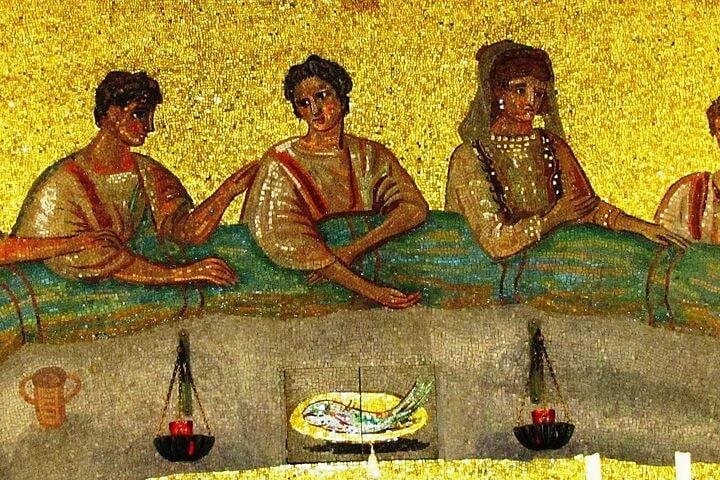
Geology is practical here—the tufa holds chambers and preserves pigment; humidity and constant cool temperatures slow decay, but visitor numbers and touchable surfaces stress fragile art. Guides blend archaeology with local lore, pointing out the discreet emblems early believers used to speak to one another without words.
For visitors: wear closed-toe shoes and a light jacket—temperatures sit around the mid-teens Celsius year-round. Narrow passages, low ceilings and stairs make this a moderate mobility challenge; photography rules vary and flash is often prohibited. Expect 2 hours on a guided route through two catacombs, shared with small groups, and follow the guide’s timing—they control access to protect the site. Bring water before you enter and leave phones on silent; down there, the past prefers to be heard, not broadcast.