THE ADVENTURE COLLECTIVE® · Independent discovery and booking for outdoor travel

A brisk 3–4 hour urban loop linking the Castro’s colorful streets with the Mission’s mural-lined avenues. Expect short steep climbs, historic sites like Mission Dolores, and plenty of local snacks and photo stops.
A brisk 3–4 hour urban loop linking the Castro’s colorful streets with the Mission’s mural-lined avenues. Expect short steep climbs, historic sites like Mission Dolores, and plenty of local snacks and photo stops.
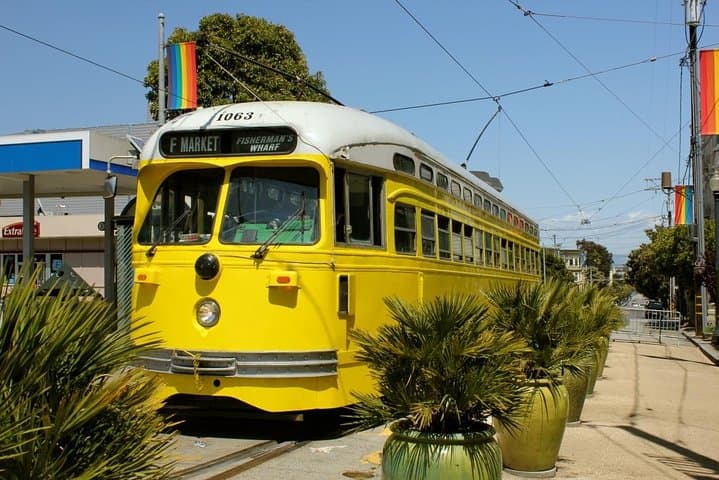
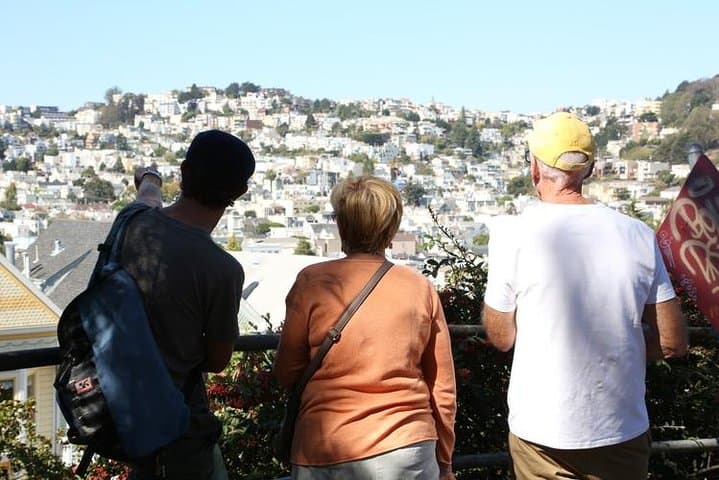
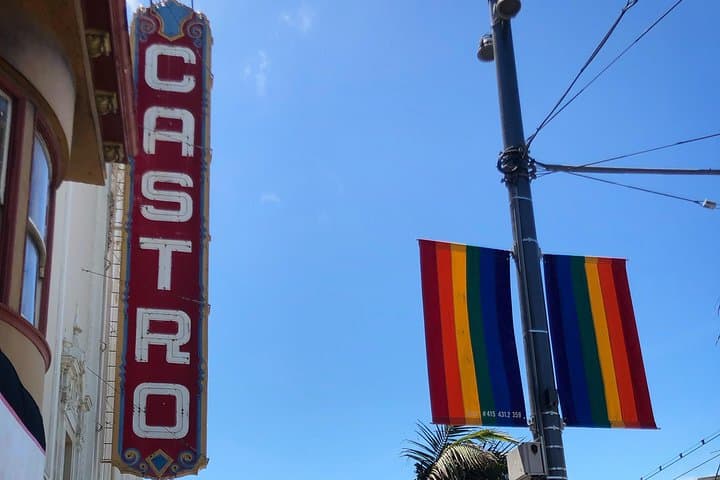
The first steps feel like joining a city in motion: a cable car clacks by, rainbow flags flutter above a sunlit terrace, and a narrow stairway opens toward Liberty Hill. The loop moves from the theatrical marquee of the Castro, along steep streets that demand short, steady breaths, and down into the Mission’s mosaic of murals and taquerias. It’s an urban hike where asphalt, stair flights, and park lawns set the pace.
Verified experiences and guided adventures in the surrounding area.
Operated by Roam Local · San Francisco, California
The first steps feel like joining a city in motion: a cable car clacks by, rainbow flags flutter above a sunlit terrace, and a narrow stairway opens toward Liberty Hill. The loop moves from the theatrical marquee of the Castro, along steep streets that demand short, steady breaths, and down into the Mission’s mosaic of murals and taquerias. It’s an urban hike where asphalt, stair flights, and park lawns set the pace.
Historically the route stitches together two distinct social histories: the Castro’s 20th-century role in LGBTQ+ activism and the Mission’s origins around Mission Dolores (founded 1776) and its long-standing Latinx communities. Geologically San Francisco’s hills are uplifted bedrock and fill—expect sudden pitch changes and short, steep climbs rather than long ascents. Culturally the area offers live-wire street art, enduring corner bakeries, and small venues that echo community stories.
Practical guidance: plan for 3–4 hours and roughly 3–4 miles of walking with intermittent elevation changes (total gain ~200–400 ft). Surfaces alternate between sidewalks, short staircases, and uneven pavement; bring grippy footwear. Snacks at Hot Cookie or a Mission taqueria are easy add-ons; keep a credit card or small bills. The loop fits most fitness levels if you’re comfortable with urban hills and several stair sets.
Timing matters—late morning or late afternoon light brings murals and terraces into better relief and avoids the cold marine layer. Public transit and ride services are plentiful for short returns. Respect private property and murals: photograph, don’t touch. This loop is equal parts neighborhood history and active city walking—direct, social, and distinctly San Franciscan.
moderate.
3–4 hours.
Suitable for people who can walk 3–4 miles with short steep hills and stair sections; basic cardiovascular fitness recommended.
The tour takes about 3–4 hours and covers roughly 3–4 miles with intermittent elevation changes and stair sections.
Parts of the loop include steep stairways and uneven sidewalks; full accessibility is limited—contact the operator for an adjusted route or accommodations.
Snack stops at local bakeries and taquerias are suggested for purchase but not included in the tour price.
Yes—Muni buses and light-rail lines run through both neighborhoods and are convenient for short returns or to shorten the walk.
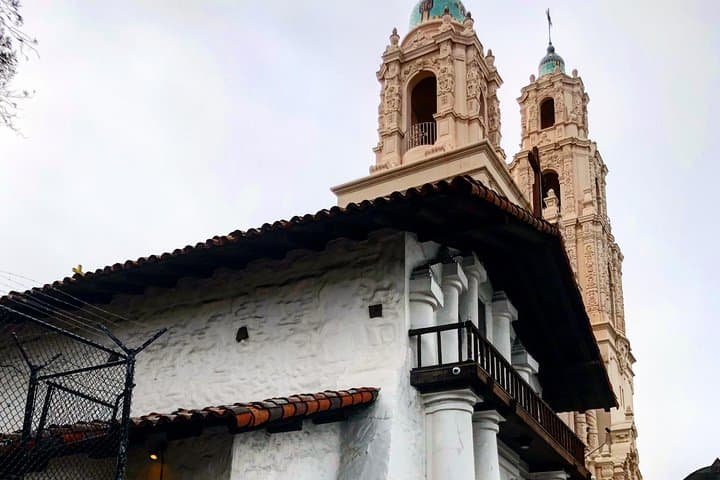
Mission Dolores, the oldest surviving structure in San Francisco (est. 1776), anchors the Mission neighborhood’s Spanish-colonial origins amid later waves of immigration and activism.
Support small, locally owned businesses and respect street art—avoid touching murals, carry out trash, and keep group sizes small to reduce wear on sidewalks and park lawns.
Roam Local operates guided outdoor trips and adventures with an emphasis on safety, stewardship, and memorable experiences.
The first steps feel like joining a city in motion: a cable car clacks by, rainbow flags flutter above a sunlit terrace, and a narrow stairway opens toward Liberty Hill. The loop moves from the theatrical marquee of the Castro, along steep streets that demand short, steady breaths, and down into the Mission’s mosaic of murals and taquerias. It’s an urban hike where asphalt, stair flights, and park lawns set the pace.
The first steps feel like joining a city in motion: a cable car clacks by, rainbow flags flutter above a sunlit terrace, and a narrow stairway opens toward Liberty Hill. The loop moves from the theatrical marquee of the Castro, along steep streets that demand short, steady breaths, and down into the Mission’s mosaic of murals and taquerias. It’s an urban hike where asphalt, stair flights, and park lawns set the pace.
Historically the route stitches together two distinct social histories: the Castro’s 20th-century role in LGBTQ+ activism and the Mission’s origins around Mission Dolores (founded 1776) and its long-standing Latinx communities. Geologically San Francisco’s hills are uplifted bedrock and fill—expect sudden pitch changes and short, steep climbs rather than long ascents. Culturally the area offers live-wire street art, enduring corner bakeries, and small venues that echo community stories.
Practical guidance: plan for 3–4 hours and roughly 3–4 miles of walking with intermittent elevation changes (total gain ~200–400 ft). Surfaces alternate between sidewalks, short staircases, and uneven pavement; bring grippy footwear. Snacks at Hot Cookie or a Mission taqueria are easy add-ons; keep a credit card or small bills. The loop fits most fitness levels if you’re comfortable with urban hills and several stair sets.
Timing matters—late morning or late afternoon light brings murals and terraces into better relief and avoids the cold marine layer. Public transit and ride services are plentiful for short returns. Respect private property and murals: photograph, don’t touch. This loop is equal parts neighborhood history and active city walking—direct, social, and distinctly San Franciscan.