THE ADVENTURE COLLECTIVE® · Independent discovery and booking for outdoor travel

Walk the streets where queer politics became public life. This 90‑minute guided tour through San Francisco’s Castro explains the people, places and cultural shifts that turned a neighborhood into an international landmark.
Walk the streets where queer politics became public life. This 90‑minute guided tour through San Francisco’s Castro explains the people, places and cultural shifts that turned a neighborhood into an international landmark.
You step off the Muni into sunlight slanting across Castro Street; the neighborhood greets you with bright storefronts, a theater marquee, and flags that ripple like chapters of history.
Verified experiences and guided adventures in the surrounding area.
You step off the Muni into sunlight slanting across Castro Street; the neighborhood greets you with bright storefronts, a theater marquee, and flags that ripple like chapters of history.
This 90-minute walking tour moves at a deliberate pace through the blocks that made modern queer politics visible. The route highlights the Castro Theatre, Harvey Milk’s former camera shop, and Harvey Milk Plaza — each site mapping moments from the mid-20th century onward when veterans, migrants and activists reimagined urban life for LGBTQ+ communities. Geology is subtle here — the neighborhood sits on gentle hills of glacial and marine sediments that shape short, climbing streets and framed views toward Twin Peaks.
Culturally the Castro blends long-standing businesses, grassroots activism and contemporary queer art; guides typically explain how local stores became organizing hubs, how the rainbow flag developed its colors, and why wording like GLBT shifted in usage over time.
Expect a mix of social history, memorials and present-day commerce: galleries, small cafés and plaque-marked buildings. The tour emphasizes stories over pace, with time for questions about policy, community resilience and cultural preservation.
Practical guidance: wear supportive walking shoes for curbs and short inclines, bring a transit card or plan for parking limits, and arrive early to confirm the exact meeting point. Tours run rain or shine; layered clothing and a charged phone for photos and notes will make the visit smooth and productive.
easy.
1.5 hours.
Light fitness; able to stand and walk 1–2 miles with short inclines.
The tour lasts about 90 minutes and covers roughly 1–1.5 miles at a leisurely pace with short stops.
Meeting points vary by operator—confirm at booking; parts of the route are curbcut accessible but some buildings and sidewalks have limited accessibility.
Tipping is customary for tour guides in San Francisco; 10–20% based on experience is typical.
Yes—families are welcome, though the material focuses on historical and cultural topics better suited to older children and teens.
The Castro rose to prominence after WWII as veterans and migrants settled San Francisco; the community later coalesced into a national center for LGBTQ+ political organizing, notably tied to Harvey Milk in the 1970s.
Sustainable tourism here means supporting small businesses, following posted rules at memorials, and minimizing noise and litter to preserve neighborhood character.
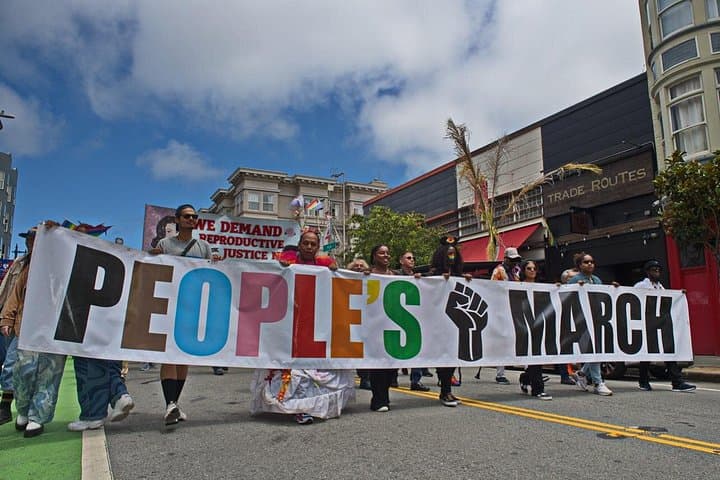
You step off the Muni into sunlight slanting across Castro Street; the neighborhood greets you with bright storefronts, a theater marquee, and flags that ripple like chapters of history.
You step off the Muni into sunlight slanting across Castro Street; the neighborhood greets you with bright storefronts, a theater marquee, and flags that ripple like chapters of history.
This 90-minute walking tour moves at a deliberate pace through the blocks that made modern queer politics visible. The route highlights the Castro Theatre, Harvey Milk’s former camera shop, and Harvey Milk Plaza — each site mapping moments from the mid-20th century onward when veterans, migrants and activists reimagined urban life for LGBTQ+ communities. Geology is subtle here — the neighborhood sits on gentle hills of glacial and marine sediments that shape short, climbing streets and framed views toward Twin Peaks.
Culturally the Castro blends long-standing businesses, grassroots activism and contemporary queer art; guides typically explain how local stores became organizing hubs, how the rainbow flag developed its colors, and why wording like GLBT shifted in usage over time.
Expect a mix of social history, memorials and present-day commerce: galleries, small cafés and plaque-marked buildings. The tour emphasizes stories over pace, with time for questions about policy, community resilience and cultural preservation.
Practical guidance: wear supportive walking shoes for curbs and short inclines, bring a transit card or plan for parking limits, and arrive early to confirm the exact meeting point. Tours run rain or shine; layered clothing and a charged phone for photos and notes will make the visit smooth and productive.