THE ADVENTURE COLLECTIVE® · Independent discovery and booking for outdoor travel

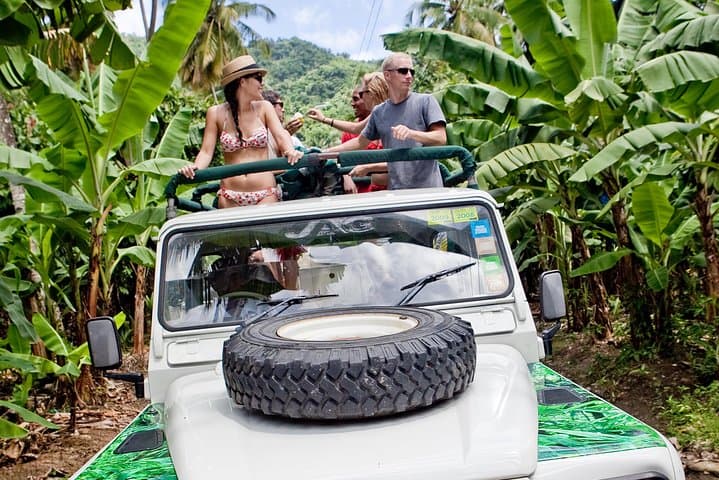
Spend a half-day on an open-top jeep safari from Castries to Morne Fortune, then hike 20 minutes through rainforest to waterfalls and river pools near Anse La Raye. Expect volcanic terrain, local fruit tastings, and a refreshing swim.
Spend a half-day on an open-top jeep safari from Castries to Morne Fortune, then hike 20 minutes through rainforest to waterfalls and river pools near Anse La Raye. Expect volcanic terrain, local fruit tastings, and a refreshing swim.
You step out of the open-top jeep with salt on your jacket and the island already pressing close: the harbor to your right, the Atlantic rolling offshore, and a shoulder of green rising inland. The first stop is Morne Fortune — a short climb to a broad lookout where Castries and its horseshoe harbor spread below, the city’s colonial roofs folded into the coastline.
Verified experiences and guided adventures in the surrounding area.
Operated by Island Routes · Castries, Castries District
You step out of the open-top jeep with salt on your jacket and the island already pressing close: the harbor to your right, the Atlantic rolling offshore, and a shoulder of green rising inland. The first stop is Morne Fortune — a short climb to a broad lookout where Castries and its horseshoe harbor spread below, the city’s colonial roofs folded into the coastline.
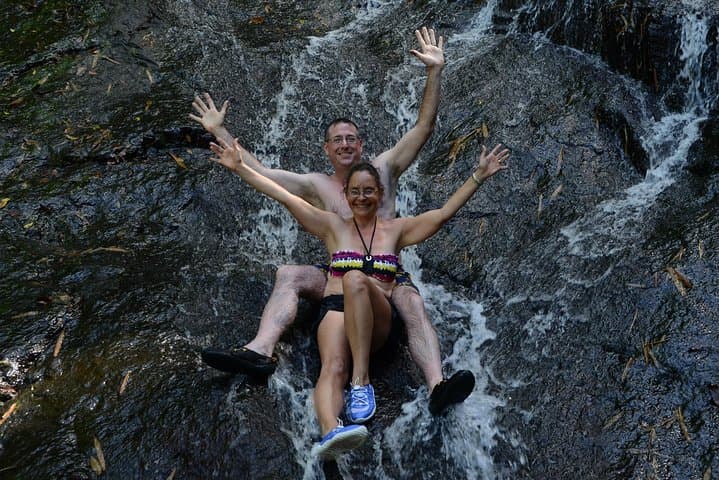
From there the vehicle threads back roads toward Anse La Raye and the rainforest. St. Lucia’s volcanic bones shape every ravine and waterfall; rivers have cut terraces through basalt and ash, feeding pools that invite a wade. A roughly 20-minute rainforest walk follows faint paths, stepping over roots and small stream crossings, with a modest elevation change—expect short, steep pitches rather than long climbs.
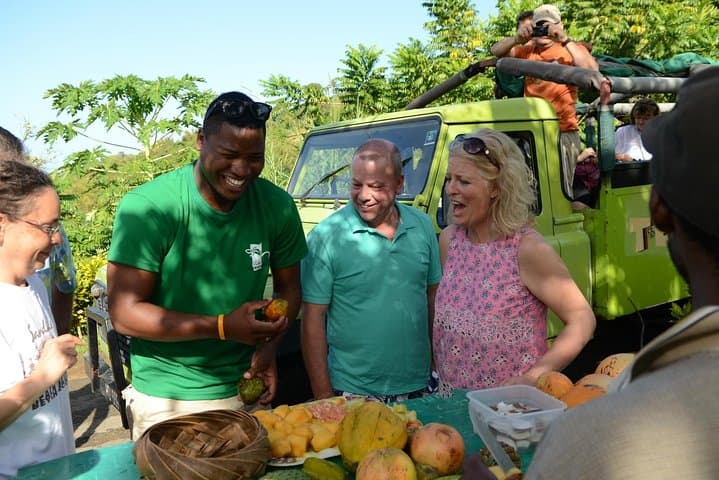
The island’s Creole fishing culture appears in roadside stalls and the sweet tang of local fruit passed around on the trail. Morne Fortune itself carries military history as a British and French lookout that once controlled the harbor approaches.
Practical details: the whole excursion runs about 4–5 hours including drive time. Bring sturdy shoes for slippery rocks, insect repellent for shaded sections, and swimwear for a river pool stop. The hike is best started in the morning to avoid midday heat and heavier afternoon showers in the wet season. Guides provide local context and handle route-finding; hikers should be moderately fit and prepared for uneven terrain and quick water crossings. The reward is a short, tactile encounter with St. Lucia’s rainforest — rivers daring you into a cool pool and hills pushing you toward a new view.
moderate.
4–5 hours.
Moderate fitness; able to handle short steep sections, uneven ground, and shallow stream crossings
The guided jungle hike itself is short — roughly 15–30 minutes on maintained paths with modest elevation change; the full tour including drives is about 4–5 hours.
Guides select calm, shallow pools for a swim; use caution on slippery rocks and follow the guide’s instructions at all times.
No technical experience required, but you should be comfortable on uneven terrain and making brief uphill steps.
Yes — the tour operates from Castries with hotel pickups; you must provide your hotel information at booking to confirm pickup details.
Morne Fortune served as a colonial military lookout for both British and French forces; its slopes still hold ruins and cannon emplacements with views over Castries Harbor.
The rainforest here is fragile; stick to established paths to avoid erosion, pack out all trash, and support local operators that follow low-impact practices.
Island Routes operates guided outdoor trips and adventures with an emphasis on safety, stewardship, and memorable experiences.
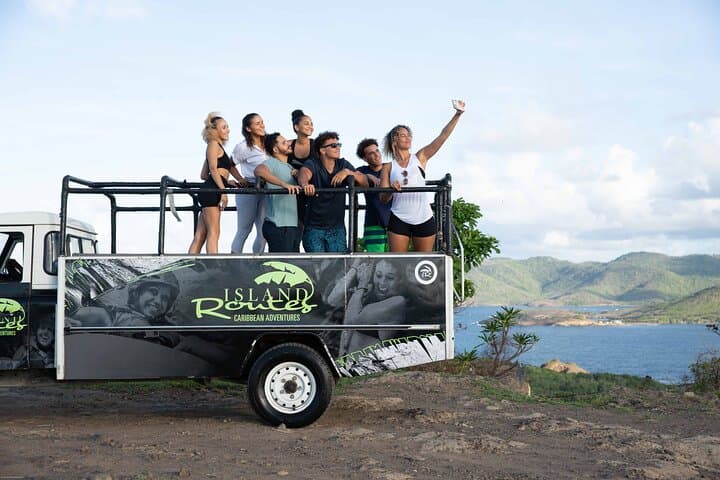
You step out of the open-top jeep with salt on your jacket and the island already pressing close: the harbor to your right, the Atlantic rolling offshore, and a shoulder of green rising inland. The first stop is Morne Fortune — a short climb to a broad lookout where Castries and its horseshoe harbor spread below, the city’s colonial roofs folded into the coastline.
You step out of the open-top jeep with salt on your jacket and the island already pressing close: the harbor to your right, the Atlantic rolling offshore, and a shoulder of green rising inland. The first stop is Morne Fortune — a short climb to a broad lookout where Castries and its horseshoe harbor spread below, the city’s colonial roofs folded into the coastline.
From there the vehicle threads back roads toward Anse La Raye and the rainforest. St. Lucia’s volcanic bones shape every ravine and waterfall; rivers have cut terraces through basalt and ash, feeding pools that invite a wade. A roughly 20-minute rainforest walk follows faint paths, stepping over roots and small stream crossings, with a modest elevation change—expect short, steep pitches rather than long climbs.
The island’s Creole fishing culture appears in roadside stalls and the sweet tang of local fruit passed around on the trail. Morne Fortune itself carries military history as a British and French lookout that once controlled the harbor approaches.
Practical details: the whole excursion runs about 4–5 hours including drive time. Bring sturdy shoes for slippery rocks, insect repellent for shaded sections, and swimwear for a river pool stop. The hike is best started in the morning to avoid midday heat and heavier afternoon showers in the wet season. Guides provide local context and handle route-finding; hikers should be moderately fit and prepared for uneven terrain and quick water crossings. The reward is a short, tactile encounter with St. Lucia’s rainforest — rivers daring you into a cool pool and hills pushing you toward a new view.