THE ADVENTURE COLLECTIVE® · Independent discovery and booking for outdoor travel

Spend a night atop Castleton Tower on this two-day guided climb that covers iconic routes like Kor-Ingalls and the North Chimney. Expect sustained multi-pitch trad climbing, a hauled overnight on the summit, and a committed rappel descent back to the valley.
Spend a night atop Castleton Tower on this two-day guided climb that covers iconic routes like Kor-Ingalls and the North Chimney. Expect sustained multi-pitch trad climbing, a hauled overnight on the summit, and a committed rappel descent back to the valley.
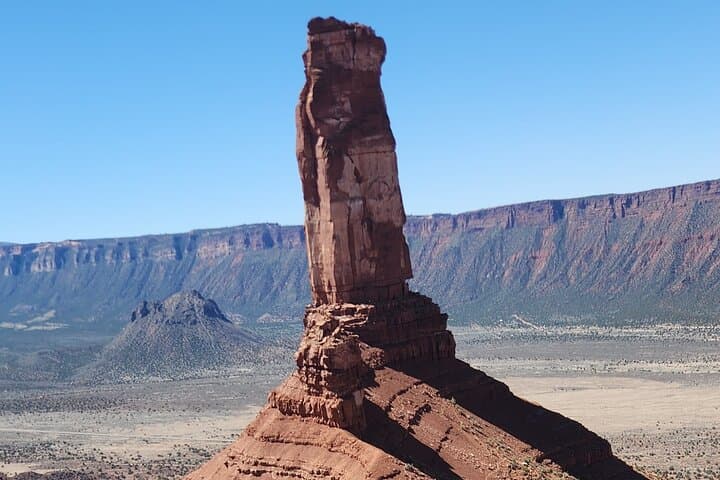
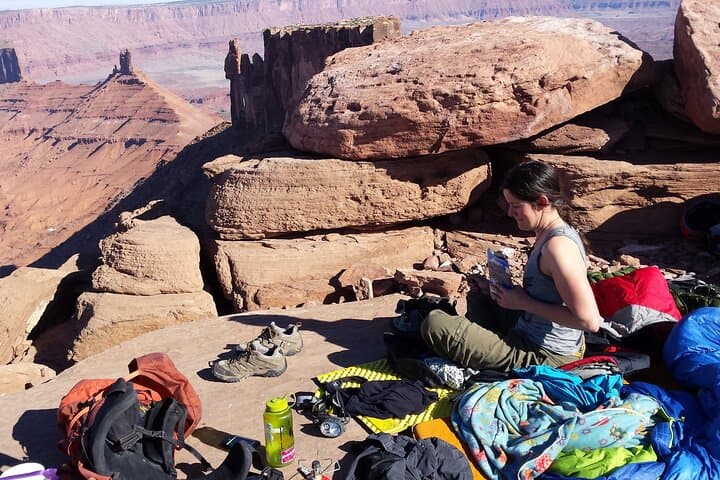
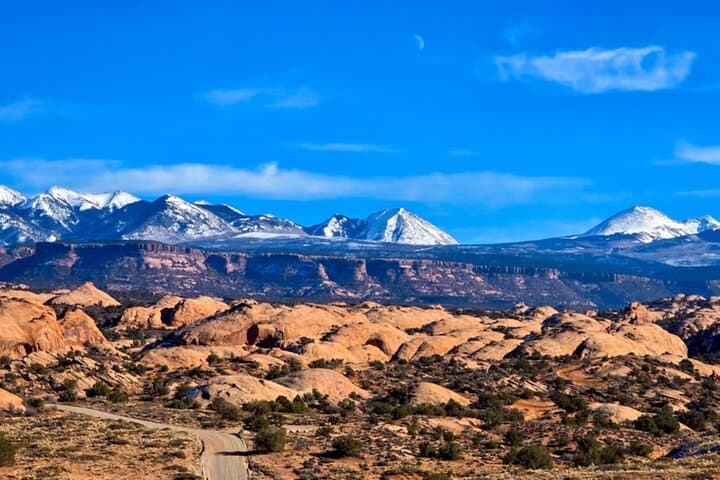
You stand on a narrow sandstone prow while the La Sal Mountains push pale light across the valley — the wind below seems to congratulate you as it tugs at your sleeping bag. This is the summit of Castleton Tower: a concrete-like column of Entrada sandstone that dares climbers to commit for two days and a single night under the desert sky.
Verified experiences and guided adventures in the surrounding area.
Operated by Canyon Country Adventures - Moab · Moab, Utah
You stand on a narrow sandstone prow while the La Sal Mountains push pale light across the valley — the wind below seems to congratulate you as it tugs at your sleeping bag. This is the summit of Castleton Tower: a concrete-like column of Entrada sandstone that dares climbers to commit for two days and a single night under the desert sky.
Formed in the Jurassic, Castleton Tower rises out of Castle Valley as a clean, free-standing tower. Routes like Kor-Ingalls and the North Chimney are historic lines in American desert climbing — the Kor-Ingalls name honors Layton Kor and Steve Ingalls, early pioneers of the tower. The approach trail crosses slickrock and desert scrub; cultural echoes from ranching and early exploration linger in nearby roads and cairns. Locals treat the tower with a blend of reverence and practicality: it’s iconic, but fragile.
Logistics are straightforward but exacting. Expect a long approach, multiple pitches of sustained trad climbing, hauling of overnight gear by guides, and a committed rappel descent the following day. Temperatures swing dramatically — summer days scorch, nights bite cold. Footing is sandstone slabs; protection is traditional gear and slings around knobby features.
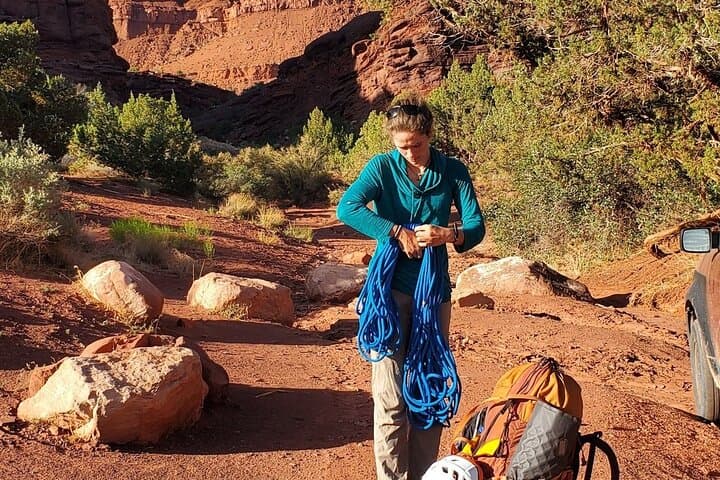
Practical prep: be hydrated and sun-protected, practice basic rope skills if you can, and bring layers for an exposed overnight. Guides supply technical gear and manage hauling, but physical fitness and a comfort with exposure are non-negotiable. When done well, the climb is a compact, high-reward desert expedition — a night on a tower that rewrites how you think about vertical camping.
challenging.
2 days.
Requires high aerobic fitness, good upper-body strength for sustained trad climbing, and comfort with exposure and long approaches.
Guides manage technical systems, but prior multi-pitch or trad experience is strongly recommended so you can move confidently and help with hauling and safety.
Guides typically supply harnesses, helmets, climbing shoes when needed, rappel devices, and hauling gear — check your booking for specifics.
Very demanding: long approaches, sustained climbing on 4-pitch routes, hauling packs, and exposure to heat and cold; a high fitness level is required.
Camping on a tower is inherently exposed; guides set up secure belays and anchors, but participants should be comfortable with heights and trust rope systems.
The tower sits on Entrada sandstone formed in the Jurassic; climbing routes like Kor-Ingalls are named after pioneering climbers Layton Kor and Steve Ingalls who helped popularize the line.
Trails and summit areas are fragile—minimize impact by staying on established approaches, packing out all waste, and following Leave No Trace practices to protect sandstone and cryptobiotic soil.
Canyon Country Adventures - Moab operates guided outdoor trips and adventures with an emphasis on safety, stewardship, and memorable experiences.
You stand on a narrow sandstone prow while the La Sal Mountains push pale light across the valley — the wind below seems to congratulate you as it tugs at your sleeping bag. This is the summit of Castleton Tower: a concrete-like column of Entrada sandstone that dares climbers to commit for two days and a single night under the desert sky.
You stand on a narrow sandstone prow while the La Sal Mountains push pale light across the valley — the wind below seems to congratulate you as it tugs at your sleeping bag. This is the summit of Castleton Tower: a concrete-like column of Entrada sandstone that dares climbers to commit for two days and a single night under the desert sky.
Formed in the Jurassic, Castleton Tower rises out of Castle Valley as a clean, free-standing tower. Routes like Kor-Ingalls and the North Chimney are historic lines in American desert climbing — the Kor-Ingalls name honors Layton Kor and Steve Ingalls, early pioneers of the tower. The approach trail crosses slickrock and desert scrub; cultural echoes from ranching and early exploration linger in nearby roads and cairns. Locals treat the tower with a blend of reverence and practicality: it’s iconic, but fragile.
Logistics are straightforward but exacting. Expect a long approach, multiple pitches of sustained trad climbing, hauling of overnight gear by guides, and a committed rappel descent the following day. Temperatures swing dramatically — summer days scorch, nights bite cold. Footing is sandstone slabs; protection is traditional gear and slings around knobby features.
Practical prep: be hydrated and sun-protected, practice basic rope skills if you can, and bring layers for an exposed overnight. Guides supply technical gear and manage hauling, but physical fitness and a comfort with exposure are non-negotiable. When done well, the climb is a compact, high-reward desert expedition — a night on a tower that rewrites how you think about vertical camping.