THE ADVENTURE COLLECTIVE® · Independent discovery and booking for outdoor travel

Spend a private day from Zagreb exploring Trakošćan Castle’s lake and Varaždin’s Baroque streets. This guided trip combines castle interiors, easy lakeside walks and historic city sightseeing with door‑to‑door transport.
Spend a private day from Zagreb exploring Trakošćan Castle’s lake and Varaždin’s Baroque streets. This guided trip combines castle interiors, easy lakeside walks and historic city sightseeing with door‑to‑door transport.
A crisp morning in Zagreb, the van hums away from the city and the flat plains give way to folded hills. By late morning you arrive at Trakošćan: a compact castle perched above a glassy lake that seems to hold the past in its surface. The stone rooms and period furniture smell faintly of wood polish and old paper; outside, the park’s paths invite a steady loop around the water.
Verified experiences and guided adventures in the surrounding area.
Operated by Mapping Croatia · Trakošćan, Krapina‑Zagorje County
A crisp morning in Zagreb, the van hums away from the city and the flat plains give way to folded hills. By late morning you arrive at Trakošćan: a compact castle perched above a glassy lake that seems to hold the past in its surface. The stone rooms and period furniture smell faintly of wood polish and old paper; outside, the park’s paths invite a steady loop around the water.
Trakošćan began as a medieval fortress in the 13th–14th centuries and was reshaped in the 19th century into the neo‑Gothic manor and English‑style park visitors see today. Varaždin, sometimes called “Little Vienna,” rose in the Baroque era and preserves broad squares, ornate palaces and an Old Town fortress that houses local collections. Both places reflect northern Croatia’s position at a crossroads of Habsburg administration, Croatian nobility and Central European trade.
Expect paved castle courtyards, a gravel lakeside trail of roughly 1–2 km, and cobbled streets in Varaždin with light elevation—suitable for most walkers. The private guide frames history with practical notes: museum opening hours (note closures on Mondays), best café stops, and where to sit for the afternoon light on the façade.
Practical guidance: wear supportive shoes for cobbles, bring a layered jacket for variable weather, and allow 8–9 hours including transfers from Zagreb. Bring cash for small museums, and leave room in your schedule for an unhurried coffee on Varaždin’s main square.
easy.
8–9 hours.
Suitable for most fitness levels; requires standing and walking on uneven cobbles and short slopes.
The trip is 8–9 hours and includes private guide, pick‑up/drop‑off in Zagreb, entrance fees for Trakošćan and Varaždin City Museum (where applicable), and private vehicle transport.
Yes, the tour notes stroller accessibility for infants and small children, though some cobbled streets and castle interiors may be uneven.
Lunch is not included; the itinerary allows free time in Varaždin to choose a café or restaurant, and your guide can recommend local options.
Guides can adapt the visit: when a museum is closed (common on Mondays), you’ll still tour the castle exteriors, lakeside grounds, and Varaždin’s public squares and churches.
Trakošćan began as a defensive stronghold in the 13th–14th centuries and was transformed in the 19th century into a neo‑Gothic manor with an English‑style park; Varaždin flourished as a regional administrative and cultural center in the Baroque era.
The castle park and lake are managed to protect lakeside habitats—stay on marked paths and avoid feeding wildlife. Museums support conservation by preserving historic interiors and artifacts.
Mapping Croatia operates guided outdoor trips and adventures with an emphasis on safety, stewardship, and memorable experiences.
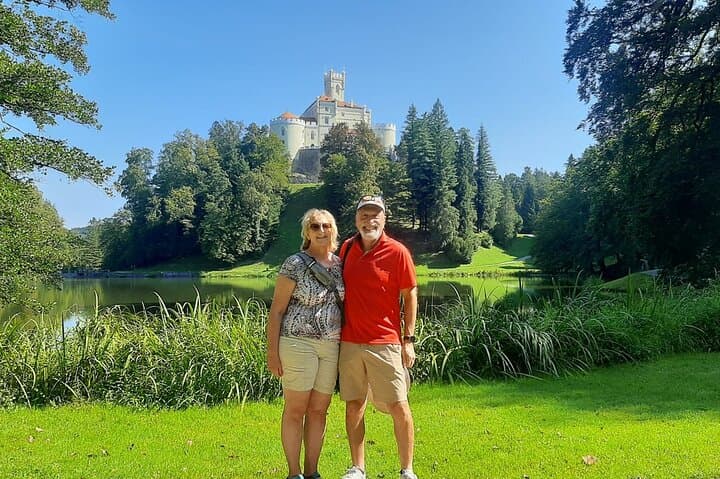
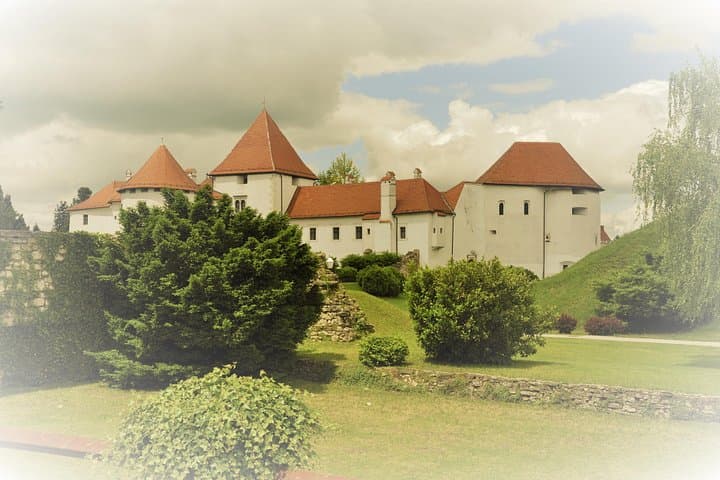
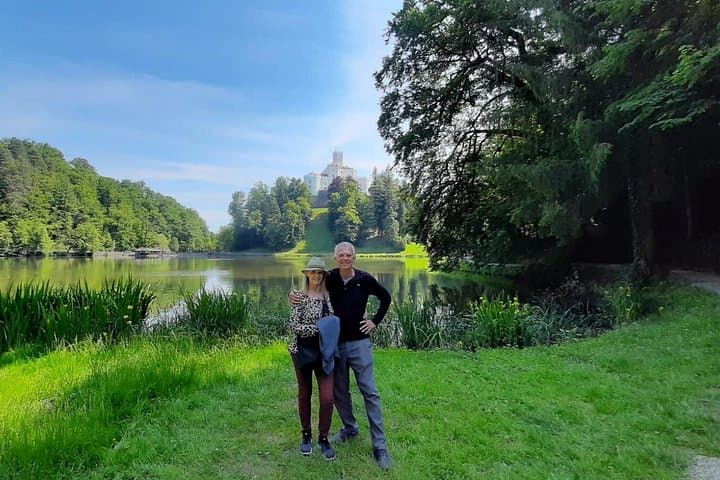
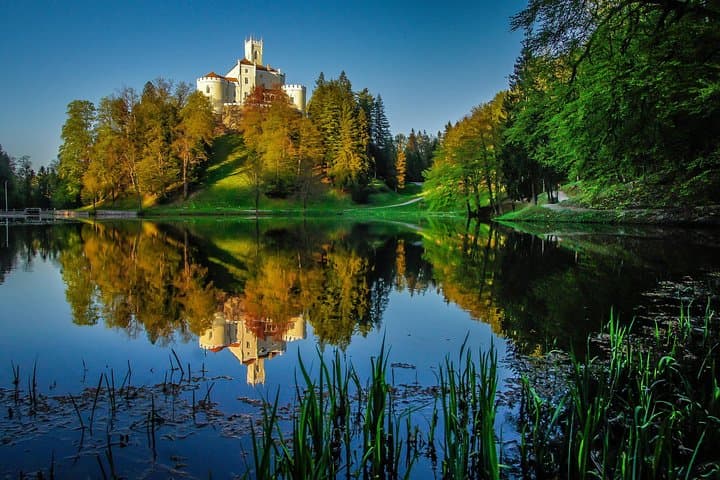
A crisp morning in Zagreb, the van hums away from the city and the flat plains give way to folded hills. By late morning you arrive at Trakošćan: a compact castle perched above a glassy lake that seems to hold the past in its surface. The stone rooms and period furniture smell faintly of wood polish and old paper; outside, the park’s paths invite a steady loop around the water.
A crisp morning in Zagreb, the van hums away from the city and the flat plains give way to folded hills. By late morning you arrive at Trakošćan: a compact castle perched above a glassy lake that seems to hold the past in its surface. The stone rooms and period furniture smell faintly of wood polish and old paper; outside, the park’s paths invite a steady loop around the water.
Trakošćan began as a medieval fortress in the 13th–14th centuries and was reshaped in the 19th century into the neo‑Gothic manor and English‑style park visitors see today. Varaždin, sometimes called “Little Vienna,” rose in the Baroque era and preserves broad squares, ornate palaces and an Old Town fortress that houses local collections. Both places reflect northern Croatia’s position at a crossroads of Habsburg administration, Croatian nobility and Central European trade.
Expect paved castle courtyards, a gravel lakeside trail of roughly 1–2 km, and cobbled streets in Varaždin with light elevation—suitable for most walkers. The private guide frames history with practical notes: museum opening hours (note closures on Mondays), best café stops, and where to sit for the afternoon light on the façade.
Practical guidance: wear supportive shoes for cobbles, bring a layered jacket for variable weather, and allow 8–9 hours including transfers from Zagreb. Bring cash for small museums, and leave room in your schedule for an unhurried coffee on Varaždin’s main square.