THE ADVENTURE COLLECTIVE® · Independent discovery and booking for outdoor travel

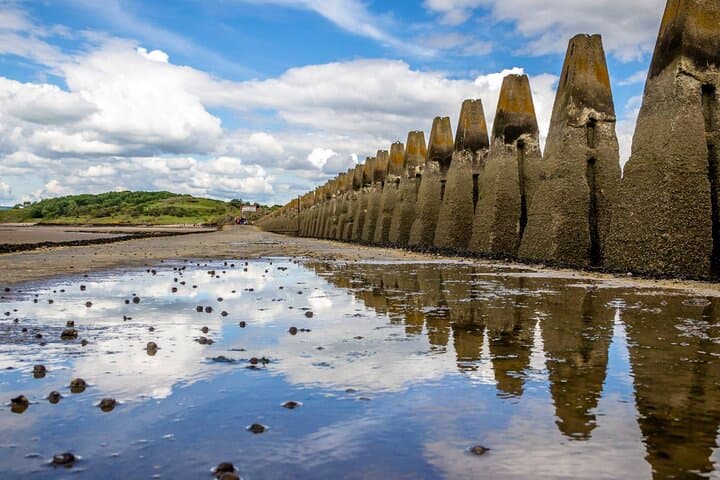
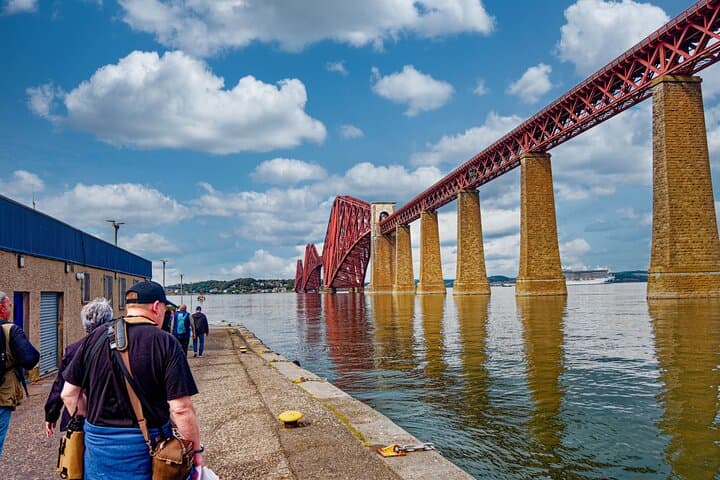
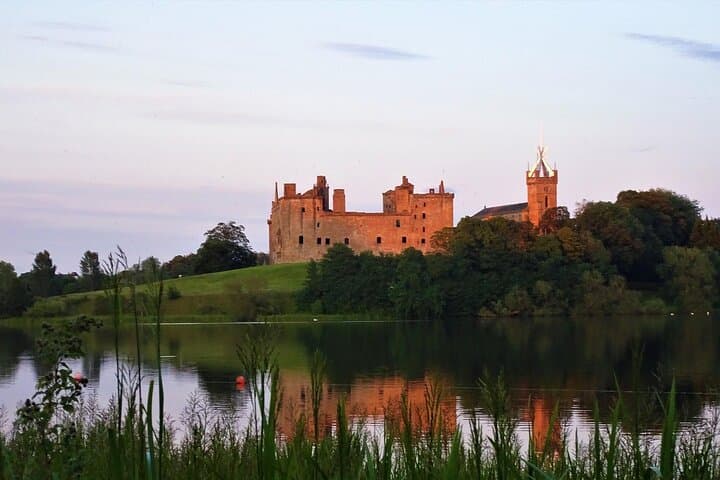
Spend six hours tracing Scotland’s coastal engineering and royal ruins on a private, customizable drive from Edinburgh. Visit the Forth bridges viewpoint, Blackness Castle, Linlithgow Palace exterior and the Cramond promenade with a local English-speaking driver.
Spend six hours tracing Scotland’s coastal engineering and royal ruins on a private, customizable drive from Edinburgh. Visit the Forth bridges viewpoint, Blackness Castle, Linlithgow Palace exterior and the Cramond promenade with a local English-speaking driver.
A low sun lifts over the Forth as the car eases out of Edinburgh, and the three bridges unroll across the estuary like chapters in a book. The vehicle hums along coastal road, windows down when the wind dares the salt spray inside, and the day becomes a stitched sequence of viewpoints, ramparts and village promenades.
Verified experiences and guided adventures in the surrounding area.
Operated by Welcome Pickups · Edinburgh, Scotland
A low sun lifts over the Forth as the car eases out of Edinburgh, and the three bridges unroll across the estuary like chapters in a book. The vehicle hums along coastal road, windows down when the wind dares the salt spray inside, and the day becomes a stitched sequence of viewpoints, ramparts and village promenades.
The tour links modern engineering and medieval power: the Forth Bridges span Victorian ambition, Blackness Castle perches with its gun-ports and stone hull-like profile, and Linlithgow Palace opens its ruined façade — birthplace of Mary Queen of Scots — against a calm loch. Geologically the coastline is sculpted by tidal currents and glacial sediments, producing rocky outcrops, sandy promontories and sheltered coves that shaped settlement patterns from Roman Cramond to later fishing hamlets.
Culturally the route is compact Scotland: informal local driving guides share stories about shipping, royal drama and village life while you decide where to step out. Stops are flexible — exterior views and short walks rather than long museum visits — so the day suits travelers who want impressionistic, accessible history and seaside air.
Practically: expect light walking (paved viewpoints and short shoreline paths), a comfortable sedan or minivan, bottled water and onboard Wi‑Fi. Entrance fees and long interior tours are optional; bring cash or card for admissions and a waterproof layer — weather shifts quickly on the estuary. Aim for morning pickup to avoid afternoon traffic and to see the light on the bridges at its best.
easy.
6 hours.
Suitable for travelers with basic mobility; involves short walks and standing at viewpoints.
No — admissions are optional and not included so the driver can remain flexible; bring payment if you plan to enter any sites.
For 1–4 people a comfortable sedan is provided; groups of 5–8 travel in a spacious minivan as noted in the booking details.
Yes — the private format lets you change stop durations and select which exteriors or walks to do with guidance from your driver.
Yes — the tour is stroller-accessible and suitable for a range of fitness levels, though some castle grounds include uneven surfaces.
Linlithgow Palace was a principal royal residence in the 15th–16th centuries and the birthplace of Mary Queen of Scots; the Forth Bridges reflect successive eras of Scottish bridge-building.
The estuary supports sensitive tidal habitats and nesting shorebirds—stick to paths, avoid disturbing wildlife, and take litter and waste back to town.
Welcome Pickups operates guided outdoor trips and adventures with an emphasis on safety, stewardship, and memorable experiences.

A low sun lifts over the Forth as the car eases out of Edinburgh, and the three bridges unroll across the estuary like chapters in a book. The vehicle hums along coastal road, windows down when the wind dares the salt spray inside, and the day becomes a stitched sequence of viewpoints, ramparts and village promenades.
A low sun lifts over the Forth as the car eases out of Edinburgh, and the three bridges unroll across the estuary like chapters in a book. The vehicle hums along coastal road, windows down when the wind dares the salt spray inside, and the day becomes a stitched sequence of viewpoints, ramparts and village promenades.
The tour links modern engineering and medieval power: the Forth Bridges span Victorian ambition, Blackness Castle perches with its gun-ports and stone hull-like profile, and Linlithgow Palace opens its ruined façade — birthplace of Mary Queen of Scots — against a calm loch. Geologically the coastline is sculpted by tidal currents and glacial sediments, producing rocky outcrops, sandy promontories and sheltered coves that shaped settlement patterns from Roman Cramond to later fishing hamlets.
Culturally the route is compact Scotland: informal local driving guides share stories about shipping, royal drama and village life while you decide where to step out. Stops are flexible — exterior views and short walks rather than long museum visits — so the day suits travelers who want impressionistic, accessible history and seaside air.
Practically: expect light walking (paved viewpoints and short shoreline paths), a comfortable sedan or minivan, bottled water and onboard Wi‑Fi. Entrance fees and long interior tours are optional; bring cash or card for admissions and a waterproof layer — weather shifts quickly on the estuary. Aim for morning pickup to avoid afternoon traffic and to see the light on the bridges at its best.