THE ADVENTURE COLLECTIVE® · Independent discovery and booking for outdoor travel

Walk the east side of the National Mall from the Smithsonian Castle to the Capitol, reading D.C.’s architecture as you go. This two-hour, guide-led stroll blends history, design, and insider detours with practical ease.
Walk the east side of the National Mall from the Smithsonian Castle to the Capitol, reading D.C.’s architecture as you go. This two-hour, guide-led stroll blends history, design, and insider detours with practical ease.
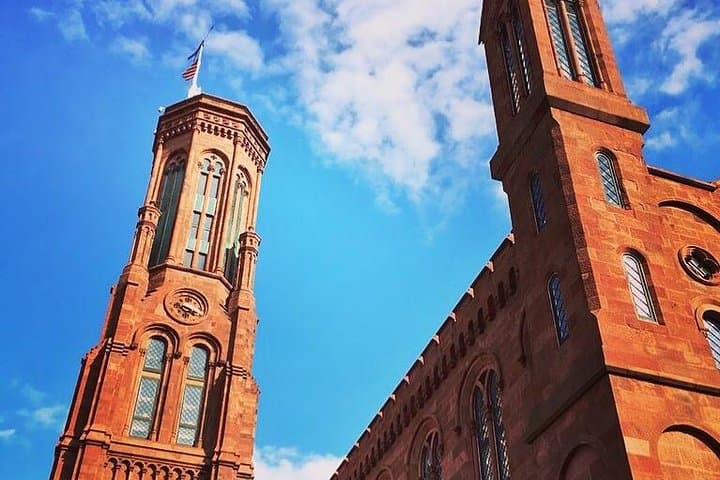
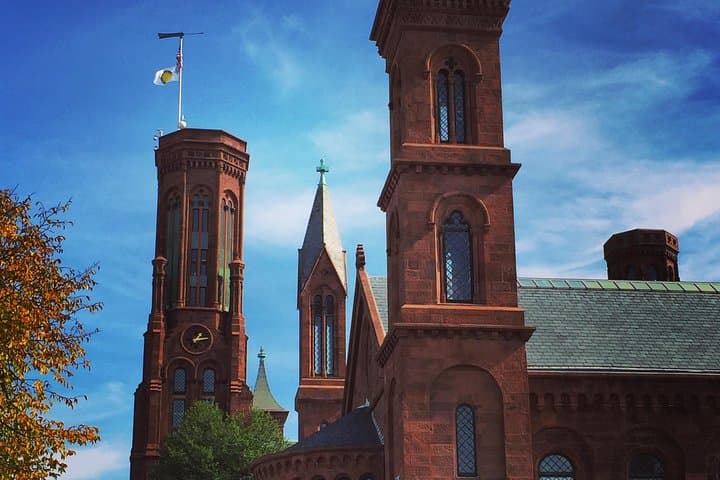
Morning on the Mall arrives quietly. Gravel paths crunch, elms breathe shade across a long green corridor, and the red sandstone of the Smithsonian Castle warms to the sun. From here, the tour threads east toward the Capitol—an easy, two-hour walk that reads the city’s most storied buildings like chapters. A guide sets the pace while the Mall’s architecture does the talking: Romanesque romance here, Modernist bravado there, and the Washington Monument keeping time like a metronome over the lawn.
Verified experiences and guided adventures in the surrounding area.
Operated by DC Design Tours · Washington, District of Columbia
Morning on the Mall arrives quietly. Gravel paths crunch, elms breathe shade across a long green corridor, and the red sandstone of the Smithsonian Castle warms to the sun. From here, the tour threads east toward the Capitol—an easy, two-hour walk that reads the city’s most storied buildings like chapters. A guide sets the pace while the Mall’s architecture does the talking: Romanesque romance here, Modernist bravado there, and the Washington Monument keeping time like a metronome over the lawn.
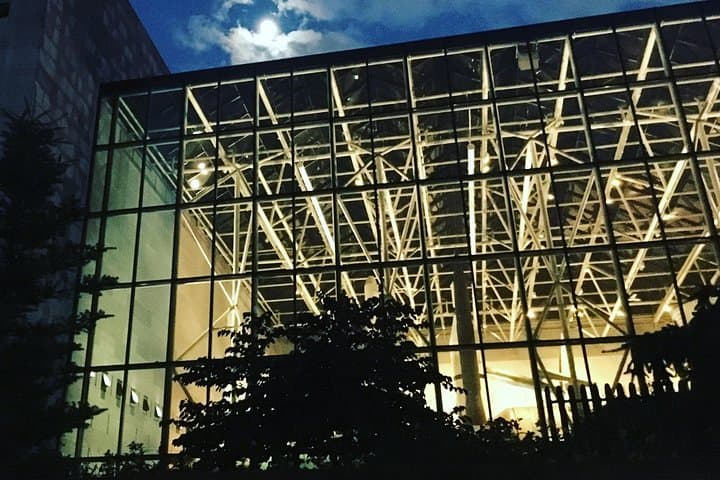
This route focuses on the east side of the National Mall, where the Smithsonian Institution—founded in 1846 from the curious bequest of Englishman James Smithson—grew into a constellation of museums. You’ll step inside the Castle, the organization’s headquarters and oldest building, before moving past the Arts & Industries Building and the Hirshhorn’s curved concrete—our “spaceship” grounded by sculpture and shadow. The National Gallery appears in dialogue with itself: Neoclassical West balancing I.M. Pei’s sharp-edged East. Farther along, the National Museum of the American Indian bends in stone like water-worn canyon walls, asking the Mall’s straight lines to soften.
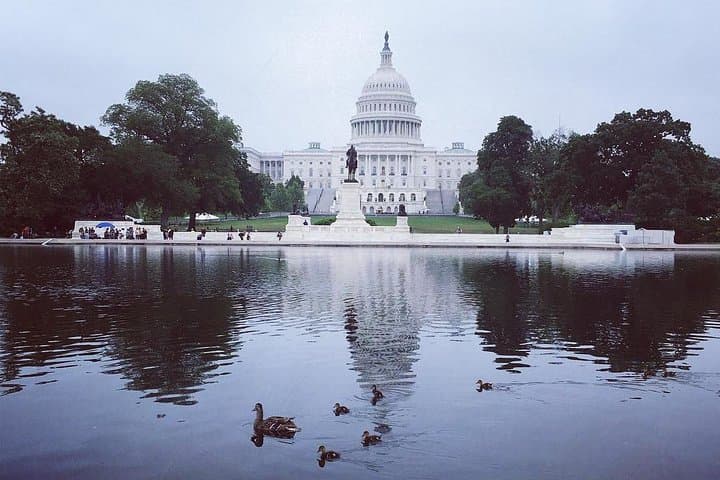
Culture is layered underfoot. The McMillan Plan of 1901 imposed symmetry and sightlines; memorials, museums, and gardens filled in the grid with purpose. Detours add texture: the Enid A. Haupt Garden, a rooftop garden disguised as a courtyard, and the Bartholdi Fountain, a 19th-century iron cascade by the sculptor of the Statue of Liberty, quietly bubbling just off the main drag. The U.S. Capitol rises last, its lawn unfurling a panoramic look back across the city’s civic spine.
As an urban walk, the terrain is forgiving—wide sidewalks, curb cuts, and level grades—but the weather writes its own rules. Summers can steam; winters can sting. The Mall’s breeze moves like a polite coach, nudging you to keep stride. Bring water, comfortable shoes, and curiosity. The tour is mostly outdoors, with time inside the Castle, and you’ll be perfectly placed afterward to peel off and visit a museum or two at your own pace.
Photography rewards the patient: early light gilds the Castle’s carvings; late day glows on the Capitol dome. History, architecture, and people-watching all converge here, turning a simple walk into a compact study of how America exhibits itself—what we build, why we build it, and how those choices meet the public every day on the Mall.
easy.
1.75–2 hours.
Comfortable walking fitness for 1–1.5 miles with frequent stops on level sidewalks.
Expect roughly 1–1.5 miles over two hours, at a relaxed, stop-and-go pace on level sidewalks.
It’s primarily outdoors with a brief visit inside the Smithsonian Castle; museum visits afterward are on your own.
Yes. The National Mall has curb cuts and broad pathways; the Castle and nearby facilities have accessible entrances.
Tours run rain or shine except during severe weather or safety concerns—bring layers and a rain shell if forecasts are unsettled.
Yes. Restrooms are available at the Smithsonian Castle and nearby museums; plan to use them during brief pauses.
Take Metrorail to Smithsonian Station (Independence Ave. exit) and meet outside the Smithsonian Castle’s main entrance by the Haupt Garden.
The Smithsonian Institution was established in 1846 from James Smithson’s bequest; the 1901 McMillan Plan formalized the Mall’s sweeping lawns and classical vistas.
The National Mall sees heavy foot traffic—stay on paths to protect restored turf and plantings; pack out trash and use refillable bottles to reduce waste.
DC Design Tours operates guided outdoor trips and adventures with an emphasis on safety, stewardship, and memorable experiences.
Morning on the Mall arrives quietly. Gravel paths crunch, elms breathe shade across a long green corridor, and the red sandstone of the Smithsonian Castle warms to the sun. From here, the tour threads east toward the Capitol—an easy, two-hour walk that reads the city’s most storied buildings like chapters. A guide sets the pace while the Mall’s architecture does the talking: Romanesque romance here, Modernist bravado there, and the Washington Monument keeping time like a metronome over the lawn.
Morning on the Mall arrives quietly. Gravel paths crunch, elms breathe shade across a long green corridor, and the red sandstone of the Smithsonian Castle warms to the sun. From here, the tour threads east toward the Capitol—an easy, two-hour walk that reads the city’s most storied buildings like chapters. A guide sets the pace while the Mall’s architecture does the talking: Romanesque romance here, Modernist bravado there, and the Washington Monument keeping time like a metronome over the lawn.
This route focuses on the east side of the National Mall, where the Smithsonian Institution—founded in 1846 from the curious bequest of Englishman James Smithson—grew into a constellation of museums. You’ll step inside the Castle, the organization’s headquarters and oldest building, before moving past the Arts & Industries Building and the Hirshhorn’s curved concrete—our “spaceship” grounded by sculpture and shadow. The National Gallery appears in dialogue with itself: Neoclassical West balancing I.M. Pei’s sharp-edged East. Farther along, the National Museum of the American Indian bends in stone like water-worn canyon walls, asking the Mall’s straight lines to soften.
Culture is layered underfoot. The McMillan Plan of 1901 imposed symmetry and sightlines; memorials, museums, and gardens filled in the grid with purpose. Detours add texture: the Enid A. Haupt Garden, a rooftop garden disguised as a courtyard, and the Bartholdi Fountain, a 19th-century iron cascade by the sculptor of the Statue of Liberty, quietly bubbling just off the main drag. The U.S. Capitol rises last, its lawn unfurling a panoramic look back across the city’s civic spine.
As an urban walk, the terrain is forgiving—wide sidewalks, curb cuts, and level grades—but the weather writes its own rules. Summers can steam; winters can sting. The Mall’s breeze moves like a polite coach, nudging you to keep stride. Bring water, comfortable shoes, and curiosity. The tour is mostly outdoors, with time inside the Castle, and you’ll be perfectly placed afterward to peel off and visit a museum or two at your own pace.
Photography rewards the patient: early light gilds the Castle’s carvings; late day glows on the Capitol dome. History, architecture, and people-watching all converge here, turning a simple walk into a compact study of how America exhibits itself—what we build, why we build it, and how those choices meet the public every day on the Mall.