THE ADVENTURE COLLECTIVE® · Independent discovery and booking for outdoor travel

Trade the gym for sandstone slabs and learn real belaying, anchor management, and outdoor climbing technique at Castle Rock State Park. This four-hour Level 2 clinic refines indoor basics into confident, real-world skills.
Trade the gym for sandstone slabs and learn real belaying, anchor management, and outdoor climbing technique at Castle Rock State Park. This four-hour Level 2 clinic refines indoor basics into confident, real-world skills.
The morning opens cool and serrated at Castle Rock State Park. Granite—or rather the park’s dense sandstones and conglomerates—rises in short, knobby faces off the trail; ropes hum softly as instructors rig anchors and double-check knots. Climbers trade the fluorescent hum of gym lighting for wide sky and wind that pushes through chaparral. This Level 2 clinic moves deliberately: a quick review of knots and harness fit, then a concentrated ground-school on traditional belaying techniques before students climb on real rock.
Verified experiences and guided adventures in the surrounding area.
Operated by Adventure Out LLC · Los Gatos, California
The morning opens cool and serrated at Castle Rock State Park. Granite—or rather the park’s dense sandstones and conglomerates—rises in short, knobby faces off the trail; ropes hum softly as instructors rig anchors and double-check knots. Climbers trade the fluorescent hum of gym lighting for wide sky and wind that pushes through chaparral. This Level 2 clinic moves deliberately: a quick review of knots and harness fit, then a concentrated ground-school on traditional belaying techniques before students climb on real rock.
Castle Rock’s craggy formations are products of millions of years of uplift and coastal weathering in the Santa Cruz Mountains. The area sits on ridgelines once traversed by Native Ohlone people and later logged and grazed during the 19th century; the state park was carved out to protect these slabs and the redwood pockets tucked in the canyons. Climbing here is a study in friction and balance—low-angle slabs that demand footwork and short vertical faces where protection and anchor discipline matter.
Culturally the park is a regional climbing hub: local guides emphasize minimal-impact techniques, respecting fixed gear and using natural anchors where possible. Expect instruction that blends climbing mechanics with systems thinking—how forces transfer through belays, how to assess an anchor, when to back up a bolt. The course is meant for people who can tie a figure-eight and have done top-rope climbs in a gym; it layers practical competence onto those basics so climbers leave able to belay partners confidently and read outdoor routes.
Practicalities are straightforward. The clinic is a four-hour group session that meets in the Castle Rock ranger office parking area—arrive early to sign in and sort gear. Guides supply ropes, helmets, and other shared hardware, but many participants bring personal climbing shoes. Wear approach shoes or sturdy trail runners; expect dusty, sometimes slick sandstone depending on recent weather. Bring 1.5–2 liters of water, a sun layer, and a daypack for snacks and a jacket. Mobility is moderate; you’ll be standing, squatting at belays, and occasionally hiking short approaches over uneven ground.
Safety and etiquette are woven into every drill. Anchors are inspected twice; students practice both giving and taking tension on belays. Leave-no-trace rules matter—pack out any tape or tape tails, and stay on established trails to protect fragile soils and root systems.
For photographers, the best frames come early or late when light skims the rock face and coastal fog threads the ridges. If you’re climbing to progress beyond the gym and want a clear, concise course that emphasizes real-world belay skills, this Level 2 clinic delivers measured coaching in a setting that both challenges and rewards attention to detail.
moderate.
4 hours.
Moderate fitness—able to stand for long periods, squat at belays, and manage short, uneven approaches
You should be comfortable with basic gym top-roping and know how to tie a figure-eight; the course builds on those fundamentals to teach outdoor belaying and anchors.
Guides supply ropes, helmets, and shared hardware; many climbers bring personal climbing shoes for fit and comfort.
Email [email protected] immediately after booking—reservations are not confirmed until you receive a direct confirmation email from Adventure Out.
Cancel at least 24 hours before the scheduled start time for a full refund; cancellations inside 24 hours are non-refundable.
Children may participate but must be accompanied by an adult; the course is paced for older teens and adults with basic climbing skills.
Sandstone becomes dangerously slick when wet; instructors will postpone or modify climbing if conditions make routes unsafe.
This ridge in the Santa Cruz Mountains was used by Ohlone peoples and later logged; the state park was established to protect its unique rock outcrops and redwood pockets.
Climbing impacts concentrated areas—stick to established anchors and trails, avoid chalking delicate seams, and pack out all tape and trash.
Adventure Out LLC operates guided outdoor trips and adventures with an emphasis on safety, stewardship, and memorable experiences.
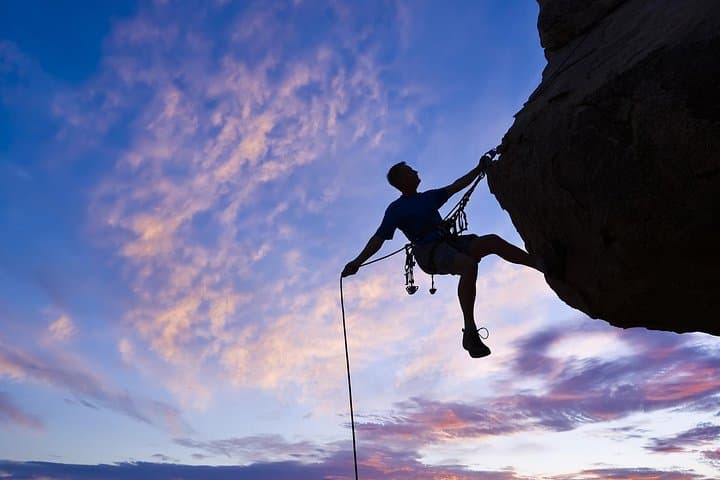
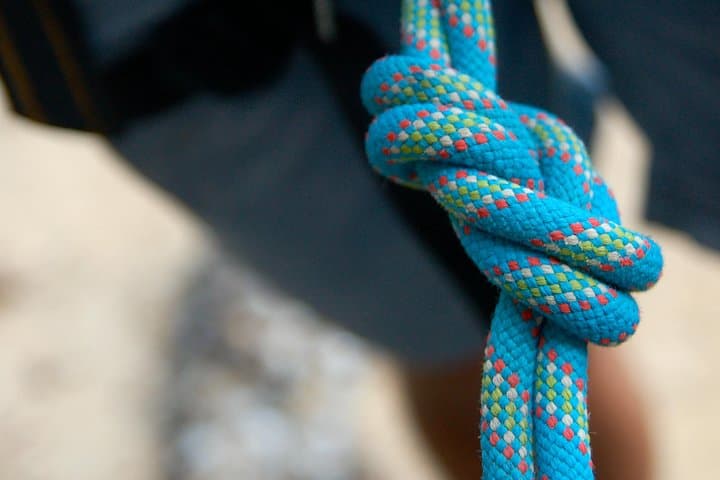
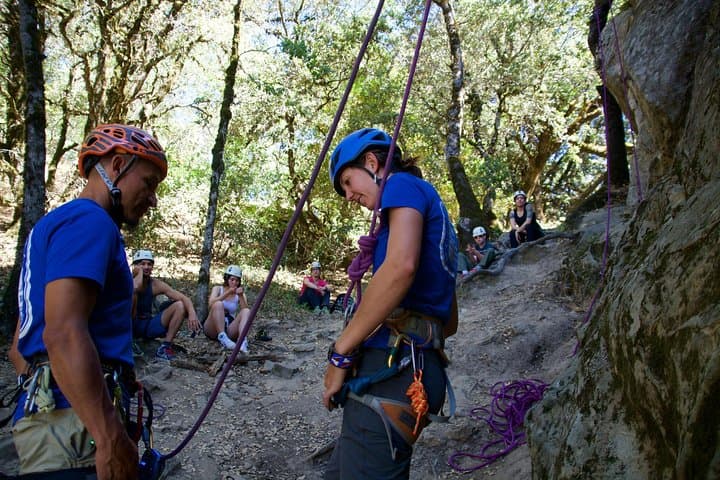
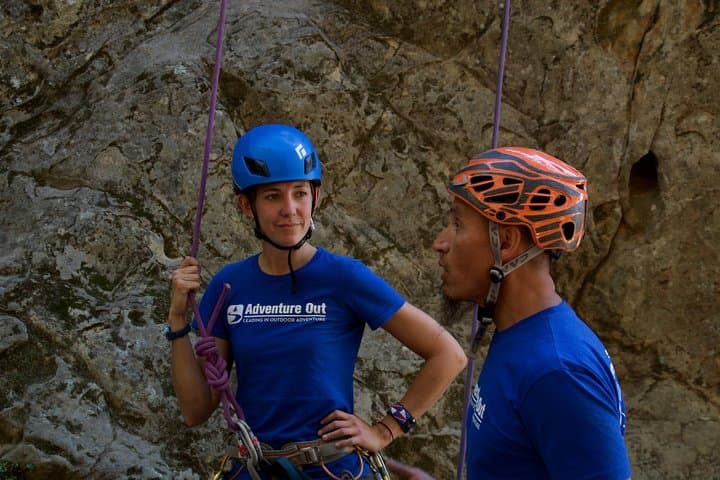
The morning opens cool and serrated at Castle Rock State Park. Granite—or rather the park’s dense sandstones and conglomerates—rises in short, knobby faces off the trail; ropes hum softly as instructors rig anchors and double-check knots. Climbers trade the fluorescent hum of gym lighting for wide sky and wind that pushes through chaparral. This Level 2 clinic moves deliberately: a quick review of knots and harness fit, then a concentrated ground-school on traditional belaying techniques before students climb on real rock.
The morning opens cool and serrated at Castle Rock State Park. Granite—or rather the park’s dense sandstones and conglomerates—rises in short, knobby faces off the trail; ropes hum softly as instructors rig anchors and double-check knots. Climbers trade the fluorescent hum of gym lighting for wide sky and wind that pushes through chaparral. This Level 2 clinic moves deliberately: a quick review of knots and harness fit, then a concentrated ground-school on traditional belaying techniques before students climb on real rock.
Castle Rock’s craggy formations are products of millions of years of uplift and coastal weathering in the Santa Cruz Mountains. The area sits on ridgelines once traversed by Native Ohlone people and later logged and grazed during the 19th century; the state park was carved out to protect these slabs and the redwood pockets tucked in the canyons. Climbing here is a study in friction and balance—low-angle slabs that demand footwork and short vertical faces where protection and anchor discipline matter.
Culturally the park is a regional climbing hub: local guides emphasize minimal-impact techniques, respecting fixed gear and using natural anchors where possible. Expect instruction that blends climbing mechanics with systems thinking—how forces transfer through belays, how to assess an anchor, when to back up a bolt. The course is meant for people who can tie a figure-eight and have done top-rope climbs in a gym; it layers practical competence onto those basics so climbers leave able to belay partners confidently and read outdoor routes.
Practicalities are straightforward. The clinic is a four-hour group session that meets in the Castle Rock ranger office parking area—arrive early to sign in and sort gear. Guides supply ropes, helmets, and other shared hardware, but many participants bring personal climbing shoes. Wear approach shoes or sturdy trail runners; expect dusty, sometimes slick sandstone depending on recent weather. Bring 1.5–2 liters of water, a sun layer, and a daypack for snacks and a jacket. Mobility is moderate; you’ll be standing, squatting at belays, and occasionally hiking short approaches over uneven ground.
Safety and etiquette are woven into every drill. Anchors are inspected twice; students practice both giving and taking tension on belays. Leave-no-trace rules matter—pack out any tape or tape tails, and stay on established trails to protect fragile soils and root systems.
For photographers, the best frames come early or late when light skims the rock face and coastal fog threads the ridges. If you’re climbing to progress beyond the gym and want a clear, concise course that emphasizes real-world belay skills, this Level 2 clinic delivers measured coaching in a setting that both challenges and rewards attention to detail.