THE ADVENTURE COLLECTIVE® · Independent discovery and booking for outdoor travel

Walk medieval streets above the Tyrrhenian, where turreted walls, pine-scented paths and the Diaccia Botrona marsh meet in panoramic views. A 2–3 hour guided tour pairs village history with coastal nature and clear planning tips for visitors.
Walk medieval streets above the Tyrrhenian, where turreted walls, pine-scented paths and the Diaccia Botrona marsh meet in panoramic views. A 2–3 hour guided tour pairs village history with coastal nature and clear planning tips for visitors.
You step from the sunlit piazza onto stone streets that have kept their shape for centuries — the sea glares to the west while the pine forest breathes behind you. The village perches above a sweep of coast where the Tyrrhenian Sea tests the cliffs and the Diaccia Botrona marsh unfurls like a low, slow sea of reeds.
Verified experiences and guided adventures in the surrounding area.
Operated by Maremmagica · Castiglione della Pescaia, Tuscany
You step from the sunlit piazza onto stone streets that have kept their shape for centuries — the sea glares to the west while the pine forest breathes behind you. The village perches above a sweep of coast where the Tyrrhenian Sea tests the cliffs and the Diaccia Botrona marsh unfurls like a low, slow sea of reeds.
Castiglione della Pescaia was fortified in the Middle Ages; its turreted walls still define a compact network of alleys, arcades and niches. Geologically the shore is shaped by the Uccellina hills and coastal plain—sand, pines and reclaimed marshes shaped by Lorraine-era engineering visible in the Red House and canal works around Lago Prile.
Culture here mixes fishing traditions and summer tourism: the canal port still cradles small boats and the smell of salt and fried fish follows the harbour breeze. The pine forest dares you inland with shaded tracks and sudden sea outlooks; the marsh calls migrating birds and seasonal silence.
On a guided walk expect 2–3 hours of easy-to-moderate walking on uneven cobbles and short inclines, with historical stops and birdwatching opportunities. Mornings and late afternoons offer the best light and cooler temperatures; mid-summer can be hot on exposed walls.
Practical tips: wear sturdy shoes for cobblestones, bring water and a hat, and plan for brief stops at viewpoints and the canal. Guides typically cover local history, reclamation engineering, and natural highlights — a compact coastal tour that balances village history with the natural edge of the Maremma.
moderate.
2–3 hours.
Moderate: able to walk on uneven ground for a couple of hours and manage short elevation changes
Tours run about 2–3 hours and include walking on uneven cobbles and short inclines within the medieval village and viewpoints above the coast.
Children are welcome and strollers can be used in parts of the village, but some alleys and steps are not stroller-friendly; check with the guide for specific routes.
Guides are typically local and may offer tours in Italian and English; confirm language availability when booking.
Yes—short stops in the village allow for restroom breaks and a chance to buy refreshments at local cafés or the canal-side port.
Castiglione’s walls and the nearby Red House reflect centuries of coastal defence and 18th–19th century reclamation projects that reshaped the Maremma plain.
The Diaccia Botrona marsh is a protected wetland; stick to paths, avoid disturbing birds, and follow local guidelines to reduce impact.
Maremmagica operates guided outdoor trips and adventures with an emphasis on safety, stewardship, and memorable experiences.
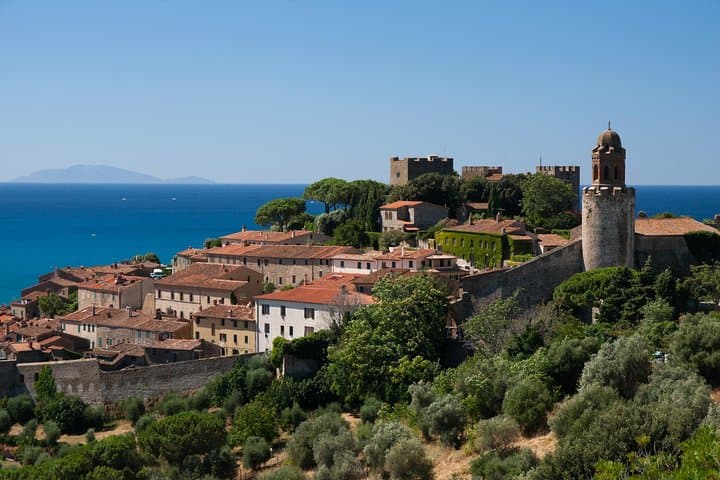

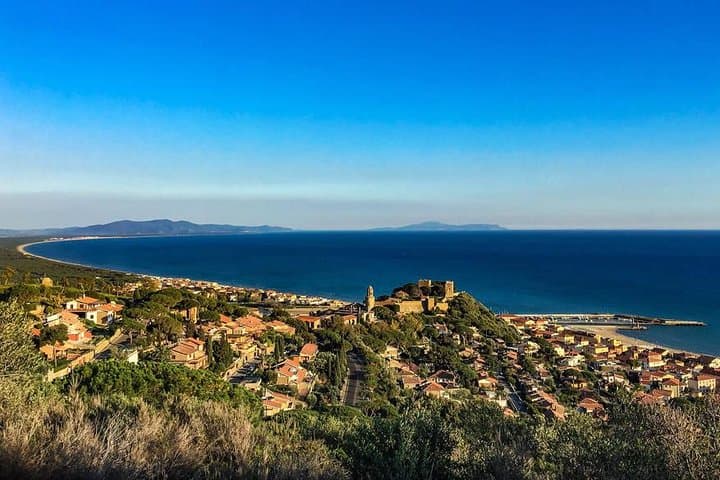
You step from the sunlit piazza onto stone streets that have kept their shape for centuries — the sea glares to the west while the pine forest breathes behind you. The village perches above a sweep of coast where the Tyrrhenian Sea tests the cliffs and the Diaccia Botrona marsh unfurls like a low, slow sea of reeds.
You step from the sunlit piazza onto stone streets that have kept their shape for centuries — the sea glares to the west while the pine forest breathes behind you. The village perches above a sweep of coast where the Tyrrhenian Sea tests the cliffs and the Diaccia Botrona marsh unfurls like a low, slow sea of reeds.
Castiglione della Pescaia was fortified in the Middle Ages; its turreted walls still define a compact network of alleys, arcades and niches. Geologically the shore is shaped by the Uccellina hills and coastal plain—sand, pines and reclaimed marshes shaped by Lorraine-era engineering visible in the Red House and canal works around Lago Prile.
Culture here mixes fishing traditions and summer tourism: the canal port still cradles small boats and the smell of salt and fried fish follows the harbour breeze. The pine forest dares you inland with shaded tracks and sudden sea outlooks; the marsh calls migrating birds and seasonal silence.
On a guided walk expect 2–3 hours of easy-to-moderate walking on uneven cobbles and short inclines, with historical stops and birdwatching opportunities. Mornings and late afternoons offer the best light and cooler temperatures; mid-summer can be hot on exposed walls.
Practical tips: wear sturdy shoes for cobblestones, bring water and a hat, and plan for brief stops at viewpoints and the canal. Guides typically cover local history, reclamation engineering, and natural highlights — a compact coastal tour that balances village history with the natural edge of the Maremma.