THE ADVENTURE COLLECTIVE® · Independent discovery and booking for outdoor travel

Explore Castel Sant'Angelo’s layered history from Hadrian’s mausoleum to papal refuge. This 2–3 hour tour combines interior chambers, hidden passages and a rooftop terrace with sweeping views of Rome.
Explore Castel Sant'Angelo’s layered history from Hadrian’s mausoleum to papal refuge. This 2–3 hour tour combines interior chambers, hidden passages and a rooftop terrace with sweeping views of Rome.
You step off the cobbled Lungotevere and the circular bulk of Castel Sant'Angelo rises like a compact city of stone, its ramparts already humming with the voices of centuries.
Verified experiences and guided adventures in the surrounding area.
Operated by Touring Fixer · Rome, Lazio
You step off the cobbled Lungotevere and the circular bulk of Castel Sant'Angelo rises like a compact city of stone, its ramparts already humming with the voices of centuries.
Begin inside the mausoleum core where Hadrian's original funerary architecture still reads in thick travertine and curved corridors. The tour threads frescoed chapels, papal apartments and a narrow, secretive ramp that once moved soldiers and popes through the compound. The Passetto di Borgo — a raised corridor that links the castle to St. Peter’s — has the quiet pressure of a lived-in escape route, an architectural gesture that changed Rome’s political geography.
Geology here is visible in the building blocks: Tiberine alluvium and Roman travertine quarried nearby. Culturally, the castle has been mausoleum, military bastion, papal refuge and prison — each layer leaves different rooms, decorations and scars.
Practical planning matters: the experience runs about 2–3 hours, includes interior staircases and a rooftop terrace with one of the clearest views of St. Peter’s Dome and the Altare della Patria. Book a mid-afternoon slot for softer light on the dome; mornings are cooler and less crowded. Wear shoes that handle stone steps, bring water, and plan for security checks at entry. The tour’s virtual guide component pairs with the ticketed access, so ensure your device is charged and headphones ready.
This is a compact urban adventure: history underfoot, skyline rewards above, and a tangible sense of how Rome repurposes its past.
easy.
2–3 hours.
Suitable for most visitors; you should be able to climb multiple flights of stairs and stand for periods while viewing exhibits.
The site notes wheelchair accessibility for parts of the route, but some historic areas and steep ramps may remain challenging—check with the operator about access to specific rooms.
Yes, the experience includes an entrance ticket; confirm the ticket type on booking and bring ID if requested.
Photography is generally allowed in most public rooms and on the terrace, but avoid flash in frescoed areas and follow any posted restrictions.
The scheduled duration is about 2.5 hours; this offering pairs admission with a virtual guide rather than a continuous live guide, though staff are present for support.
Originally Hadrian’s mausoleum (built 2nd century AD), the structure later became a fortress, papal refuge and prison, linked to the Vatican by the Passetto di Borgo.
High visitor numbers cause wear on stairways and frescoes—stay on marked paths, refrain from touching artwork, and support conservation via official ticket purchases.
Touring Fixer operates guided outdoor trips and adventures with an emphasis on safety, stewardship, and memorable experiences.
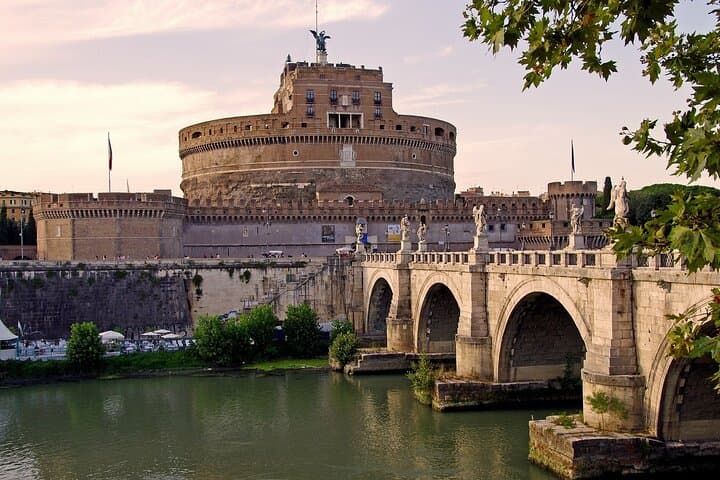
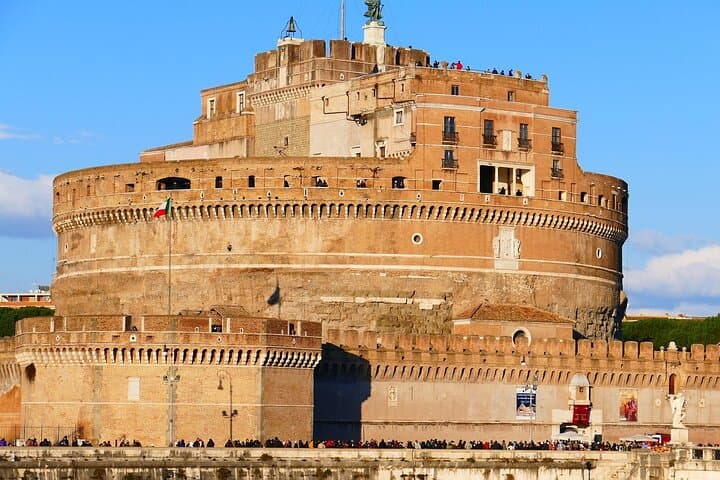
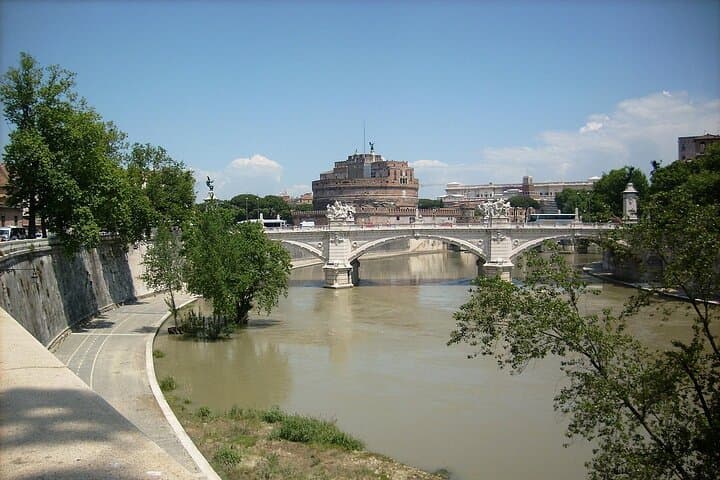
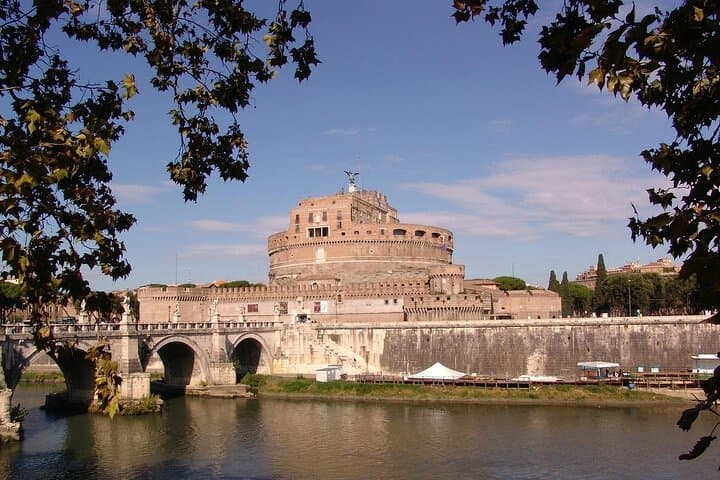
You step off the cobbled Lungotevere and the circular bulk of Castel Sant'Angelo rises like a compact city of stone, its ramparts already humming with the voices of centuries.
You step off the cobbled Lungotevere and the circular bulk of Castel Sant'Angelo rises like a compact city of stone, its ramparts already humming with the voices of centuries.
Begin inside the mausoleum core where Hadrian's original funerary architecture still reads in thick travertine and curved corridors. The tour threads frescoed chapels, papal apartments and a narrow, secretive ramp that once moved soldiers and popes through the compound. The Passetto di Borgo — a raised corridor that links the castle to St. Peter’s — has the quiet pressure of a lived-in escape route, an architectural gesture that changed Rome’s political geography.
Geology here is visible in the building blocks: Tiberine alluvium and Roman travertine quarried nearby. Culturally, the castle has been mausoleum, military bastion, papal refuge and prison — each layer leaves different rooms, decorations and scars.
Practical planning matters: the experience runs about 2–3 hours, includes interior staircases and a rooftop terrace with one of the clearest views of St. Peter’s Dome and the Altare della Patria. Book a mid-afternoon slot for softer light on the dome; mornings are cooler and less crowded. Wear shoes that handle stone steps, bring water, and plan for security checks at entry. The tour’s virtual guide component pairs with the ticketed access, so ensure your device is charged and headphones ready.
This is a compact urban adventure: history underfoot, skyline rewards above, and a tangible sense of how Rome repurposes its past.