THE ADVENTURE COLLECTIVE® · Independent discovery and booking for outdoor travel

Explore the octagonal Castel del Monte and the open plateaus of Alta Murgia on a guided excursion from Bari. This walk crosses karst fields, shepherd trails and panoramic mule paths with history, geology and raptors on full display.
Explore the octagonal Castel del Monte and the open plateaus of Alta Murgia on a guided excursion from Bari. This walk crosses karst fields, shepherd trails and panoramic mule paths with history, geology and raptors on full display.
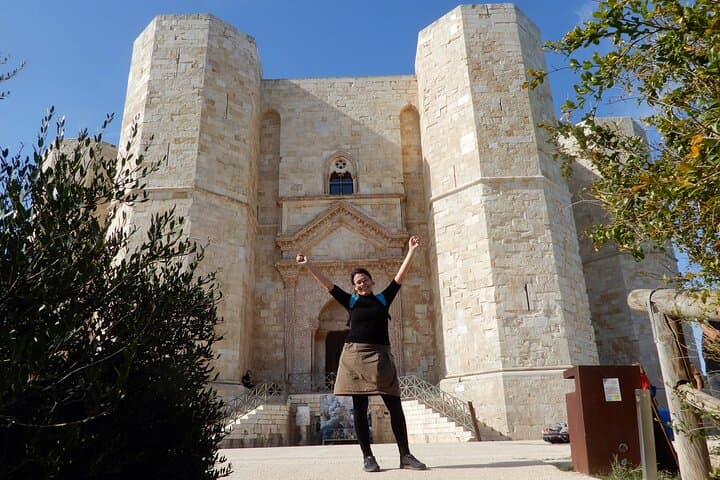
A limestone crown rises alone on a wind-scrubbed hill: Castel del Monte sits like an octagonal lookout watching the Adriatic haze. Walkers step out of scrubby wheat fields and mint-scented pastures into wide, open skies; the wind moves like a second companion, pushing the gaze from low stone haystacks to distant blue sea.
Verified experiences and guided adventures in the surrounding area.
Operated by Viandanti del Sud · Andria, Puglia
A limestone crown rises alone on a wind-scrubbed hill: Castel del Monte sits like an octagonal lookout watching the Adriatic haze. Walkers step out of scrubby wheat fields and mint-scented pastures into wide, open skies; the wind moves like a second companion, pushing the gaze from low stone haystacks to distant blue sea.
The castle itself was ordered by Emperor Frederick II in the 13th century and has served as court, prison and shelter for shepherds. Its eight-sided geometry sits on a karst plateau carved by ancient seas; you’ll notice flat expanses, stony ridges and sinkholes that tell a slow geological story of limestone dissolution and thin soils that favor hardier grasses and the ferula plant. Cultural traces of transhumance remain—jazzi (rock sheepfolds), mule tracks and stone cisterns mark routes where shepherds moved flocks for centuries.
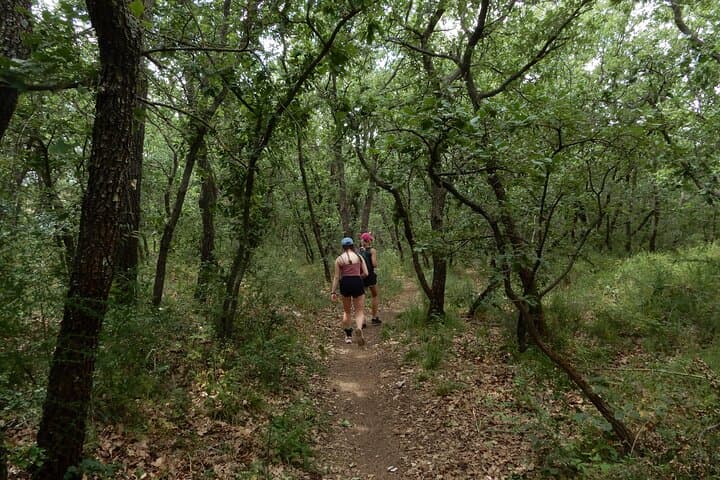
Expect open trails across undulating terrain, occasional oak copses, and panoramic sections around 540 meters elevation where raptors wheel and orchids dot spring meadows. The route is primarily walking on dirt tracks and compacted paths; wayfinding is straightforward but exposed to sun and wind.
Practical guidance: start early in summer to avoid heat, carry at least 1.5–2L water, wear sturdy shoes with tread for loose rock, and bring a windproof layer. Respect fenced farmland and stay on designated tracks to protect rare flora. Photography windows are best late afternoon when low light accentuates the castle’s geometry and the plateau’s textures. Tours often include private transport from Bari; verify pickup details and weather-related cancellations before you go.
easy.
2–6 hours.
Suitable for most fitness levels; basic stamina for longer, up-to-6-hour options
Duration varies by itinerary and pace—most tours list 2–6 hours, with shorter visits focusing on the castle and longer walks exploring mule tracks and pastures.
Check the specific tour details; some excursions include castle admission while others provide outside viewpoints only—confirm when booking.
Spring and fall offer mild temperatures and flowering meadows; summer is hot and windy, while winter is cooler and can be wet—dress accordingly.
The route is generally easy and suitable for most ages, but longer walks require basic stamina; inquire about shorter, less strenuous options if needed.
Commissioned by Frederick II in 1240, Castel del Monte later served varied roles and is a UNESCO World Heritage Site since 1996.
Alta Murgia National Park protects karst grasslands and transhumance heritage; visitors should stick to paths and avoid disturbing orchids and pastureland.
Viandanti del Sud operates guided outdoor trips and adventures with an emphasis on safety, stewardship, and memorable experiences.
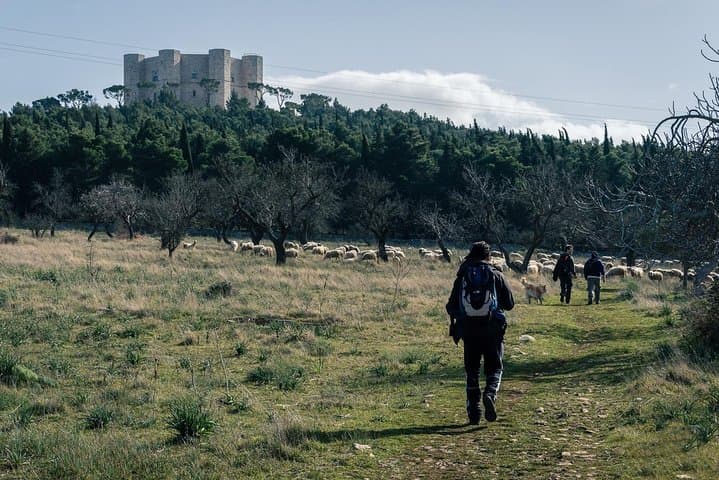
A limestone crown rises alone on a wind-scrubbed hill: Castel del Monte sits like an octagonal lookout watching the Adriatic haze. Walkers step out of scrubby wheat fields and mint-scented pastures into wide, open skies; the wind moves like a second companion, pushing the gaze from low stone haystacks to distant blue sea.
A limestone crown rises alone on a wind-scrubbed hill: Castel del Monte sits like an octagonal lookout watching the Adriatic haze. Walkers step out of scrubby wheat fields and mint-scented pastures into wide, open skies; the wind moves like a second companion, pushing the gaze from low stone haystacks to distant blue sea.
The castle itself was ordered by Emperor Frederick II in the 13th century and has served as court, prison and shelter for shepherds. Its eight-sided geometry sits on a karst plateau carved by ancient seas; you’ll notice flat expanses, stony ridges and sinkholes that tell a slow geological story of limestone dissolution and thin soils that favor hardier grasses and the ferula plant. Cultural traces of transhumance remain—jazzi (rock sheepfolds), mule tracks and stone cisterns mark routes where shepherds moved flocks for centuries.
Expect open trails across undulating terrain, occasional oak copses, and panoramic sections around 540 meters elevation where raptors wheel and orchids dot spring meadows. The route is primarily walking on dirt tracks and compacted paths; wayfinding is straightforward but exposed to sun and wind.
Practical guidance: start early in summer to avoid heat, carry at least 1.5–2L water, wear sturdy shoes with tread for loose rock, and bring a windproof layer. Respect fenced farmland and stay on designated tracks to protect rare flora. Photography windows are best late afternoon when low light accentuates the castle’s geometry and the plateau’s textures. Tours often include private transport from Bari; verify pickup details and weather-related cancellations before you go.