THE ADVENTURE COLLECTIVE® · Independent discovery and booking for outdoor travel

Ride electric mountain bikes from Cassis into the Calanques National Park to reach sea-cliff viewpoints, Port Miou, and quieter coastal tracks. This two-hour guided tour blends geology, local stories, and off-road trails—ideal for riders who want big views without an exhausting climb.
Ride electric mountain bikes from Cassis into the Calanques National Park to reach sea-cliff viewpoints, Port Miou, and quieter coastal tracks. This two-hour guided tour blends geology, local stories, and off-road trails—ideal for riders who want big views without an exhausting climb.
The morning wind off the Mediterranean tugs at your sleeves as the e‑bike hums awake and the limestone cliffs of the Calanques rise like a rugged shoreline wall. Guides brief the group at Cap Provence pool, helmets click on, and you pedal away from the harbor to find viewpoints that the tourist trails rarely show. Sea-spray scents the air; scrubby maquis brushes the path; the electric assist pushes you up steep, sun-baked tracks so you can linger at each inlet.
Verified experiences and guided adventures in the surrounding area.
Operated by TROLIB · Cassis, Provence-Alpes-Côte d'Azur
The morning wind off the Mediterranean tugs at your sleeves as the e‑bike hums awake and the limestone cliffs of the Calanques rise like a rugged shoreline wall. Guides brief the group at Cap Provence pool, helmets click on, and you pedal away from the harbor to find viewpoints that the tourist trails rarely show. Sea-spray scents the air; scrubby maquis brushes the path; the electric assist pushes you up steep, sun-baked tracks so you can linger at each inlet.
Geology here is raw: steep karst limestone carved by rivers and the sea, with narrow coves—calanques—cut into uplifted coastal plateaus. Cassis itself began as a Roman outpost and later exported its prized white stone; vineyards still cling to terraces above the port, producing the region’s distinctive white wine. Local guides add cultural notes—old quarry routes, fishing traditions, and the modern protections of Calanques National Park that limit footpaths in summer to reduce fire and erosion.
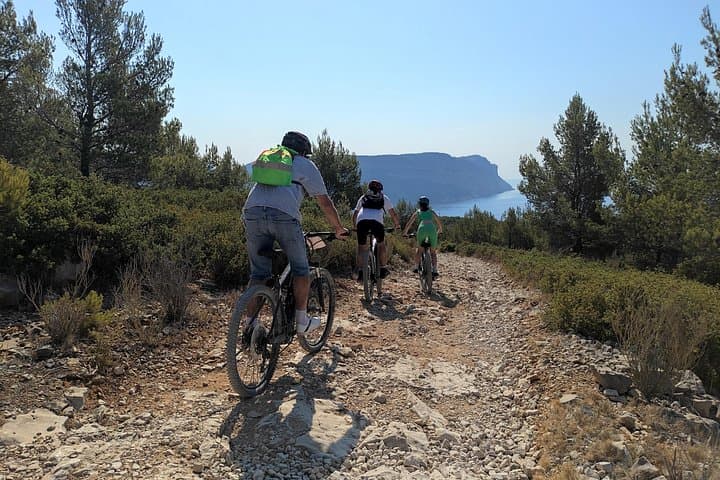
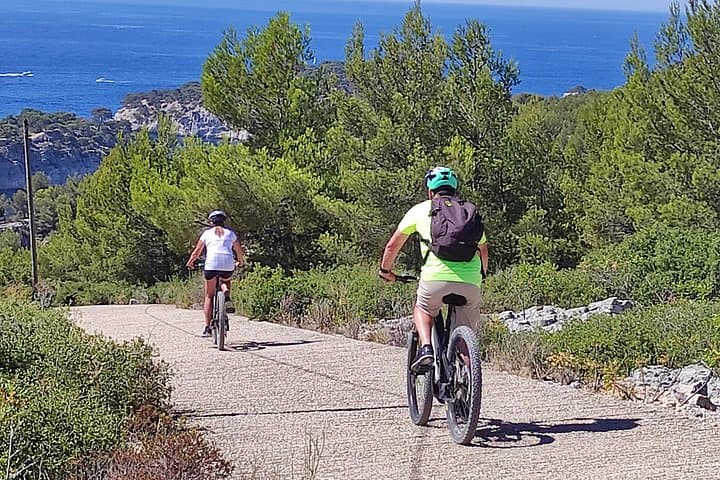
Practically, expect two hours of mostly off-road gravel tracks with short rocky sections and repeated climbs—e‑assist evens the effort but you should be comfortable on a mountain bike. Guides control pace, stop at Port Miou and a peninsula lookout, and point out quieter routes that skirt crowds. Bring at least 1.5–2 L of water, sun protection, and closed-toe shoes; pack a light wind layer for sea breezes. Note seasonal closures for fire risk in high summer and the operator’s size/age limits. Ride prepared and the Calanques will reward you with sweeping sea views and access to corners most day-trippers never see.
moderate.
2 hours.
Moderate fitness—able to ride for two hours with short climbs and stand on pedals for rocky sections; e‑assist reduces sustained effort.
Yes—participants should know how to ride a mountain bike on gravel and handle short rocky sections; guides can brief less experienced riders but basic skills are required.
E‑mountain bike and helmet rental, a professional local guide, and photos on request; food and water are not provided.
The operator will offer an alternate route on small roads and vineyards, reschedule, or give a full refund depending on timing and policy.
Yes—minimum age is 11 (1.45 m) and maximum weight is 120 kg (approximately 265 lbs); disclose heights at booking and follow the guide’s safety rules.
Cassis began as a Roman settlement and later exported its distinctive white stone from quarries at Port Miou; terraces rising above the port still carry vineyard plots.
Calanques National Park enforces seasonal access and fire restrictions—stay on designated tracks, pack out waste, and follow guide directions to reduce erosion and wildfire risk.
TROLIB operates guided outdoor trips and adventures with an emphasis on safety, stewardship, and memorable experiences.
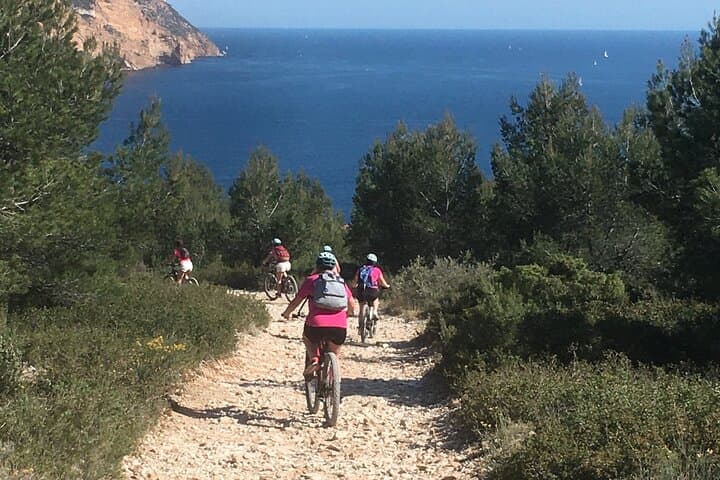
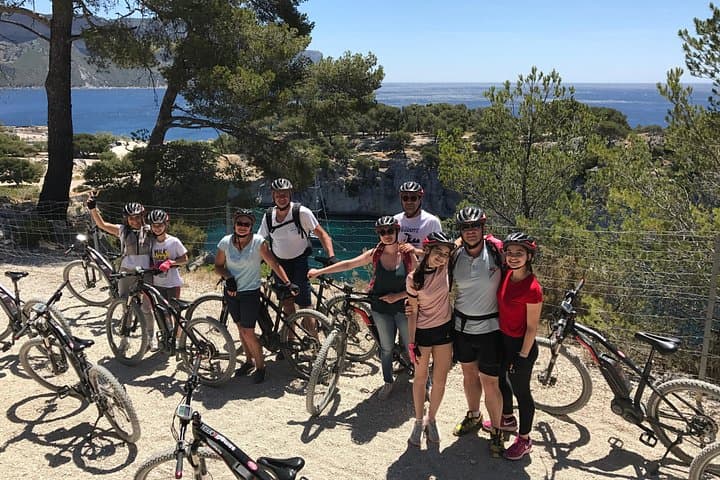
The morning wind off the Mediterranean tugs at your sleeves as the e‑bike hums awake and the limestone cliffs of the Calanques rise like a rugged shoreline wall. Guides brief the group at Cap Provence pool, helmets click on, and you pedal away from the harbor to find viewpoints that the tourist trails rarely show. Sea-spray scents the air; scrubby maquis brushes the path; the electric assist pushes you up steep, sun-baked tracks so you can linger at each inlet.
The morning wind off the Mediterranean tugs at your sleeves as the e‑bike hums awake and the limestone cliffs of the Calanques rise like a rugged shoreline wall. Guides brief the group at Cap Provence pool, helmets click on, and you pedal away from the harbor to find viewpoints that the tourist trails rarely show. Sea-spray scents the air; scrubby maquis brushes the path; the electric assist pushes you up steep, sun-baked tracks so you can linger at each inlet.
Geology here is raw: steep karst limestone carved by rivers and the sea, with narrow coves—calanques—cut into uplifted coastal plateaus. Cassis itself began as a Roman outpost and later exported its prized white stone; vineyards still cling to terraces above the port, producing the region’s distinctive white wine. Local guides add cultural notes—old quarry routes, fishing traditions, and the modern protections of Calanques National Park that limit footpaths in summer to reduce fire and erosion.
Practically, expect two hours of mostly off-road gravel tracks with short rocky sections and repeated climbs—e‑assist evens the effort but you should be comfortable on a mountain bike. Guides control pace, stop at Port Miou and a peninsula lookout, and point out quieter routes that skirt crowds. Bring at least 1.5–2 L of water, sun protection, and closed-toe shoes; pack a light wind layer for sea breezes. Note seasonal closures for fire risk in high summer and the operator’s size/age limits. Ride prepared and the Calanques will reward you with sweeping sea views and access to corners most day-trippers never see.