THE ADVENTURE COLLECTIVE® · Independent discovery and booking for outdoor travel

Skip the crowds and step directly into Case di Celio on Rome’s Celian Hill. This entry ticket opens a compact, layered site where Roman homes, medieval fortifications, and early Christian monuments sit within easy walking distance of the Colosseum.
Skip the crowds and step directly into Case di Celio on Rome’s Celian Hill. This entry ticket opens a compact, layered site where Roman homes, medieval fortifications, and early Christian monuments sit within easy walking distance of the Colosseum.
A narrow Roman lane opens onto a courtyard where layered stones tell the city’s long story. At Case di Celio, light slides across ancient masonry, fresco fragments, and vaulted medieval rooms; the place feels like a museum you can walk through rather than past. Visitors arriving with a direct-entry ticket step into quiet chambers that once housed Roman families, later repurposed as early Christian worship spaces and then fortified in the medieval era.
Verified experiences and guided adventures in the surrounding area.
Operated by Italy In Love Tours · Rome, Lazio
A narrow Roman lane opens onto a courtyard where layered stones tell the city’s long story. At Case di Celio, light slides across ancient masonry, fresco fragments, and vaulted medieval rooms; the place feels like a museum you can walk through rather than past. Visitors arriving with a direct-entry ticket step into quiet chambers that once housed Roman families, later repurposed as early Christian worship spaces and then fortified in the medieval era.
The Celian Hill sits just south of the Colosseum and was a desirable residential quarter in antiquity; the buildings here preserve that palimpsest—Roman foundations under medieval walls and Christian iconography painted into private homes. Geology is simple: travertine and tufa blocks quarried nearby form the structural bones, while mortar and later brickwork mark different eras of reuse. Local guides point out floor mosaics, traces of fresco pigments, and the spatial logic that converted secular villas into sacred spaces.
Practicalities are straightforward. The ticket grants timed entry and typically takes 60–120 minutes to explore at a measured pace. Paths are mostly level but can include low doorways and uneven ancient stone—good, steady footwear is recommended. Visit in early morning or late afternoon for softer light and fewer groups; bring water and respect the fragile surfaces by not touching painted walls. Public transit serves the area; allow time for security checks and comfortable walking between nearby sites. Case di Celio rewards anyone curious about urban archaeology: it’s compact, intimate, and a sharp, readable slice of Rome’s continuous occupation.
easy.
1–2 hours.
Suitable for most visitors with basic mobility; expect short walks and some low doorways.
Plan 60–120 minutes to move through the rooms, view mosaics and frescoes, and read onsite panels at a relaxed pace.
Some areas include uneven floors and low thresholds; accessibility is limited—contact the site in advance for details.
Mobile tickets are accepted; check the booking confirmation for accepted formats and bring ID if required.
This ticket is for independent entry; guided tours may be offered through third-party operators—verify before booking.
The Celian Hill evolved from elite Roman residences to medieval fortifications and early Christian chapels, leaving overlapping architectural layers visible today.
Fragile frescoes and mosaics require minimal contact and controlled visitor numbers; follow onsite rules to help preserve the site for future study.
Italy In Love Tours operates guided outdoor trips and adventures with an emphasis on safety, stewardship, and memorable experiences.
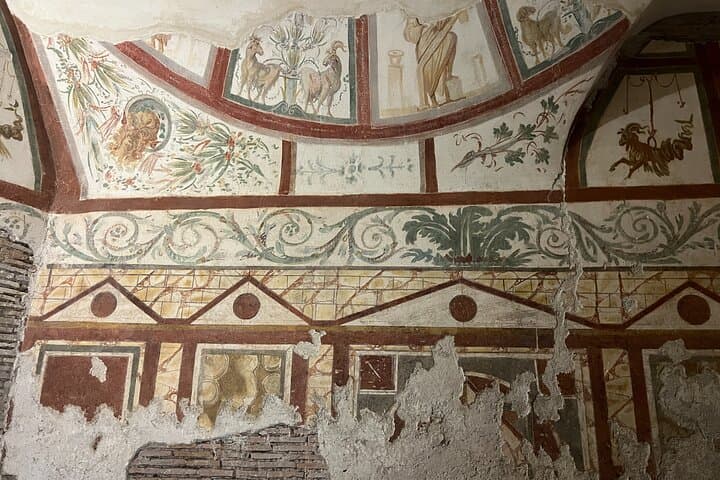
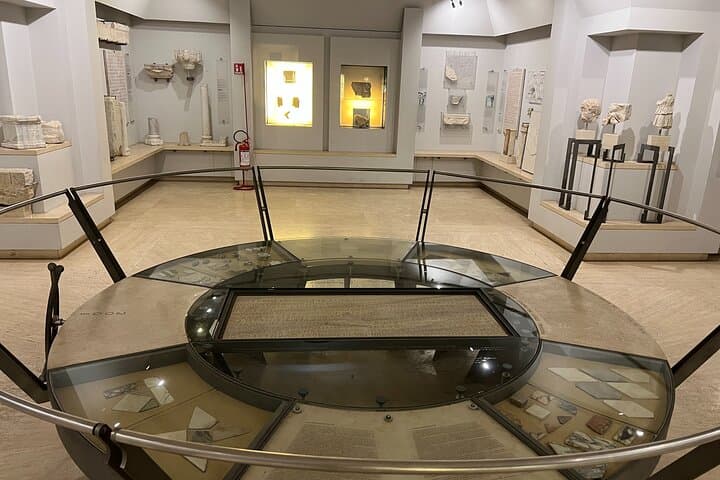
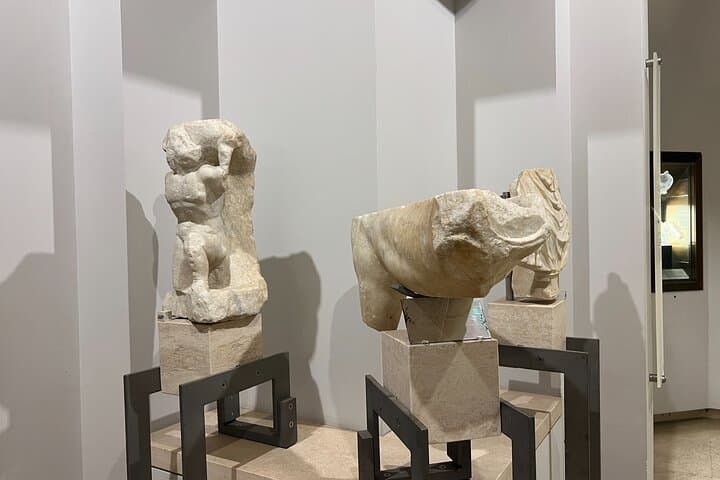
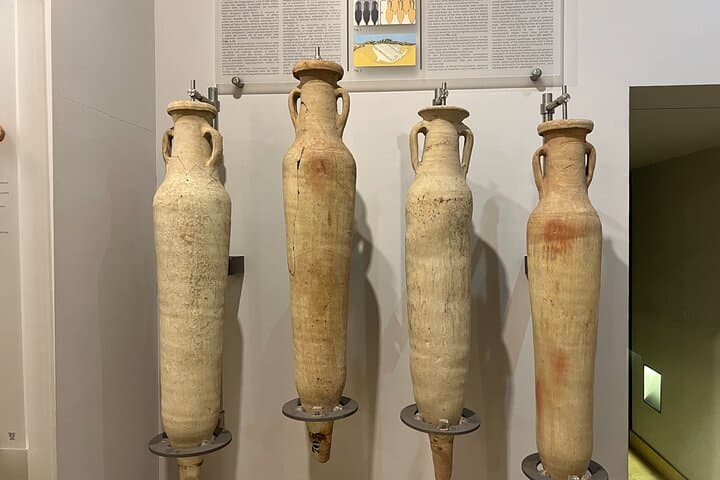
A narrow Roman lane opens onto a courtyard where layered stones tell the city’s long story. At Case di Celio, light slides across ancient masonry, fresco fragments, and vaulted medieval rooms; the place feels like a museum you can walk through rather than past. Visitors arriving with a direct-entry ticket step into quiet chambers that once housed Roman families, later repurposed as early Christian worship spaces and then fortified in the medieval era.
A narrow Roman lane opens onto a courtyard where layered stones tell the city’s long story. At Case di Celio, light slides across ancient masonry, fresco fragments, and vaulted medieval rooms; the place feels like a museum you can walk through rather than past. Visitors arriving with a direct-entry ticket step into quiet chambers that once housed Roman families, later repurposed as early Christian worship spaces and then fortified in the medieval era.
The Celian Hill sits just south of the Colosseum and was a desirable residential quarter in antiquity; the buildings here preserve that palimpsest—Roman foundations under medieval walls and Christian iconography painted into private homes. Geology is simple: travertine and tufa blocks quarried nearby form the structural bones, while mortar and later brickwork mark different eras of reuse. Local guides point out floor mosaics, traces of fresco pigments, and the spatial logic that converted secular villas into sacred spaces.
Practicalities are straightforward. The ticket grants timed entry and typically takes 60–120 minutes to explore at a measured pace. Paths are mostly level but can include low doorways and uneven ancient stone—good, steady footwear is recommended. Visit in early morning or late afternoon for softer light and fewer groups; bring water and respect the fragile surfaces by not touching painted walls. Public transit serves the area; allow time for security checks and comfortable walking between nearby sites. Case di Celio rewards anyone curious about urban archaeology: it’s compact, intimate, and a sharp, readable slice of Rome’s continuous occupation.