THE ADVENTURE COLLECTIVE® · Independent discovery and booking for outdoor travel

Learn salsa basics in a historic Casco Viejo studio, then take those steps into real local clubs for a three-hour evening that mixes instruction with nightlife. Perfect for beginners and travelers who want a hands-on introduction to Panama’s dance culture.
Learn salsa basics in a historic Casco Viejo studio, then take those steps into real local clubs for a three-hour evening that mixes instruction with nightlife. Perfect for beginners and travelers who want a hands-on introduction to Panama’s dance culture.
The heat of the city slips away as a breeze off the Bay of Panamá threads through the narrow streets of Casco Viejo, and you find yourself on a wooden floor under warm lights learning the first syncopated steps of salsa.
Verified experiences and guided adventures in the surrounding area.
Operated by Salsa Safari · Panama City, Panamá Province
The heat of the city slips away as a breeze off the Bay of Panamá threads through the narrow streets of Casco Viejo, and you find yourself on a wooden floor under warm lights learning the first syncopated steps of salsa.
This experience begins in a relaxed historic studio tucked among late-19th-century facades—an area rebuilt after the city moved in the 17th century and today recognized for its colonial plazas and UNESCO-listed architecture. Panama’s role as an isthmus shaped the rhythms here: trade and migration brought Cuban and Afro-Caribbean beats that fed the local salsa tradition.
Instructors guide newcomers through timing, basic shines and partnerwork, then lead the group into the neighborhood’s back-alley clubs where music pushes bodies toward the dancefloor. The evening blends music history and practical choreography: turn mechanics, leading/following cues, and how to ride the tempo when the band shifts into clave.
Expect close quarters, tiled streets that can be slick after rain, and music that insists you move. Locals value respect—ask before filming, tip instructors, and follow dress codes at club entrances.
Practical tips: arrive with light layers for humid nights, carry small bills for cover and taxis, and wear shoes with a smooth sole for pivots. The full program runs about three hours and is suitable for starters through confident dancers who want to test new moves in real venues. By night’s end you won’t just have learned steps—you’ll have a route into Panama’s social scene and a few local favourites to return to.
easy.
3 hours.
Light to moderate—participants should be able to stand and move for sustained periods; no prior dance fitness required
No — the class welcomes singles and pairs; instructors rotate partners so everyone gets practice leading and following.
Instructors typically teach in English and Spanish or use clear demonstrations; operators can often accommodate learners who speak either language.
Most venues expect smart-casual attire—avoid beachwear and flip-flops; some clubs enforce a dress code at the door.
The studio class is suitable for a wide age range, but club entry may be 18+ depending on the venue—confirm with the operator if traveling with minors.
Casco Viejo was established in the late 17th century after the old city was abandoned and features layered colonial and early republican architecture reflecting Panama’s maritime trade history.
Tourism in Casco Viejo is managed to preserve historic buildings; respect private property and avoid adding to noise or trash in residential areas.
Salsa Safari operates guided outdoor trips and adventures with an emphasis on safety, stewardship, and memorable experiences.
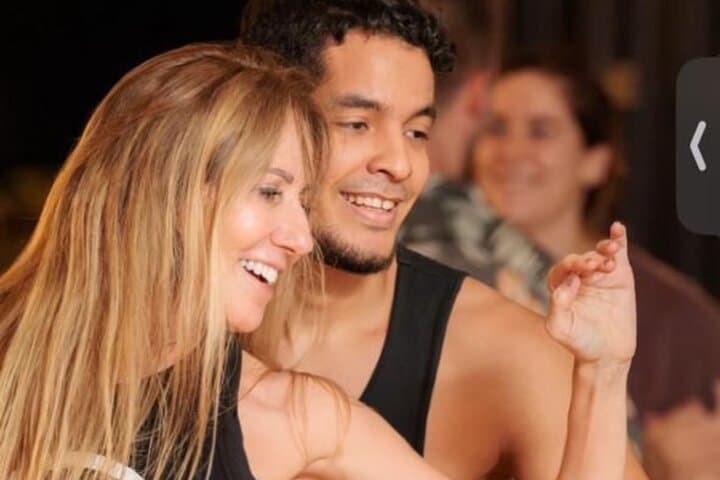


The heat of the city slips away as a breeze off the Bay of Panamá threads through the narrow streets of Casco Viejo, and you find yourself on a wooden floor under warm lights learning the first syncopated steps of salsa.
The heat of the city slips away as a breeze off the Bay of Panamá threads through the narrow streets of Casco Viejo, and you find yourself on a wooden floor under warm lights learning the first syncopated steps of salsa.
This experience begins in a relaxed historic studio tucked among late-19th-century facades—an area rebuilt after the city moved in the 17th century and today recognized for its colonial plazas and UNESCO-listed architecture. Panama’s role as an isthmus shaped the rhythms here: trade and migration brought Cuban and Afro-Caribbean beats that fed the local salsa tradition.
Instructors guide newcomers through timing, basic shines and partnerwork, then lead the group into the neighborhood’s back-alley clubs where music pushes bodies toward the dancefloor. The evening blends music history and practical choreography: turn mechanics, leading/following cues, and how to ride the tempo when the band shifts into clave.
Expect close quarters, tiled streets that can be slick after rain, and music that insists you move. Locals value respect—ask before filming, tip instructors, and follow dress codes at club entrances.
Practical tips: arrive with light layers for humid nights, carry small bills for cover and taxis, and wear shoes with a smooth sole for pivots. The full program runs about three hours and is suitable for starters through confident dancers who want to test new moves in real venues. By night’s end you won’t just have learned steps—you’ll have a route into Panama’s social scene and a few local favourites to return to.