THE ADVENTURE COLLECTIVE® · Independent discovery and booking for outdoor travel

Leave Lisbon for a coastal afternoon to explore Cascais and São Pedro do Estoril, end the day with seaside wine tasting. This easy 4–5 hour trip pairs short walks, cliff-side views, and local vintages.
Leave Lisbon for a coastal afternoon to explore Cascais and São Pedro do Estoril, end the day with seaside wine tasting. This easy 4–5 hour trip pairs short walks, cliff-side views, and local vintages.
You roll out of Lisbon and the city noise thins to the hum of highway and Atlantic wind. The coastal road unfurls—white houses, low cliffs, and salt-smelling pines—until Cascais appears as a bright pocket of marina masts and cobbled streets. Stroll the town’s harbor, feel the tide air push against the cliffs at São Pedro do Estoril, then settle into a seaside venue as winemakers pour local blends while the ocean keeps time.
Verified experiences and guided adventures in the surrounding area.
Operated by Lisbon Ahead · Cascais, Lisbon District
You roll out of Lisbon and the city noise thins to the hum of highway and Atlantic wind. The coastal road unfurls—white houses, low cliffs, and salt-smelling pines—until Cascais appears as a bright pocket of marina masts and cobbled streets. Stroll the town’s harbor, feel the tide air push against the cliffs at São Pedro do Estoril, then settle into a seaside venue as winemakers pour local blends while the ocean keeps time.
Cascais grew from a fishing village into a royal summer escape in the 19th century; its marina and Belle Époque villas still reflect that pivot. Geologically the stretch between Cascais and Estoril is compact coastal limestone and old beach dunes carved by Atlantic swell—cliffs are short but striking and currents can be strong. Estoril rose in the 20th century as a resort linked to Lisbon’s rail line and the iconic Casino Estoril.
Culturally expect relaxed coastal life: cafes, fishermen’s tiles, and a wine scene focused on regional varietals like arinto and vinho verde. Local guides point out viewpoints and photo stops, then hand you a tasting flight as the sun leans toward the horizon.
Practical guidance: the tour runs about 4–5 hours with mostly flat, short walks on cobbles and sand; comfortable shoes and a wind-layer are wise. If you plan to swim, bring a towel and quick-change options—beaches don’t always have facilities. Morning or late-afternoon departures mean softer light for photos and milder winds. Carry water, SPF, and a small daypack: the route is designed to be effortless but leaves room for spontaneous exploration.
easy.
4–5 hours.
Suitable for most fitness levels; you should be able to walk short distances on uneven ground.
Most departures pick up in central Lisbon and return there at the end of the 4–5 hour tour; check your booking for exact pickup points.
Yes, the beach is suitable for swimming but has limited facilities; currents can be strong—obey local signage and lifeguards if present.
A guided wine tasting at a seaside venue is included; options for non-alcoholic alternatives are typically available on request.
The tour is rated easy and accommodates strollers in many spots, but cobbles and sand may limit mobility for some—check with the operator for specific accessibility needs.
Cascais transformed from a fishing village to a royal summer retreat in the 19th century, and Estoril developed as a 20th-century resort linked by rail to Lisbon.
Coastal dunes and cliff vegetation are sensitive—stay on paths and pack out waste; local operators support low-impact visitation.
Lisbon Ahead operates guided outdoor trips and adventures with an emphasis on safety, stewardship, and memorable experiences.
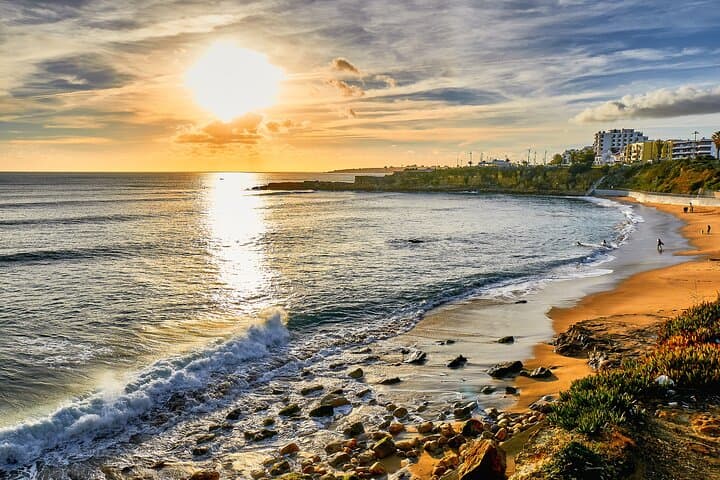


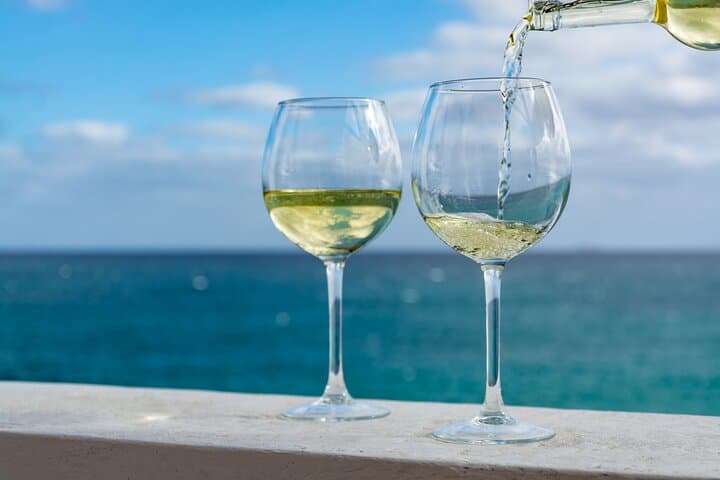
You roll out of Lisbon and the city noise thins to the hum of highway and Atlantic wind. The coastal road unfurls—white houses, low cliffs, and salt-smelling pines—until Cascais appears as a bright pocket of marina masts and cobbled streets. Stroll the town’s harbor, feel the tide air push against the cliffs at São Pedro do Estoril, then settle into a seaside venue as winemakers pour local blends while the ocean keeps time.
You roll out of Lisbon and the city noise thins to the hum of highway and Atlantic wind. The coastal road unfurls—white houses, low cliffs, and salt-smelling pines—until Cascais appears as a bright pocket of marina masts and cobbled streets. Stroll the town’s harbor, feel the tide air push against the cliffs at São Pedro do Estoril, then settle into a seaside venue as winemakers pour local blends while the ocean keeps time.
Cascais grew from a fishing village into a royal summer escape in the 19th century; its marina and Belle Époque villas still reflect that pivot. Geologically the stretch between Cascais and Estoril is compact coastal limestone and old beach dunes carved by Atlantic swell—cliffs are short but striking and currents can be strong. Estoril rose in the 20th century as a resort linked to Lisbon’s rail line and the iconic Casino Estoril.
Culturally expect relaxed coastal life: cafes, fishermen’s tiles, and a wine scene focused on regional varietals like arinto and vinho verde. Local guides point out viewpoints and photo stops, then hand you a tasting flight as the sun leans toward the horizon.
Practical guidance: the tour runs about 4–5 hours with mostly flat, short walks on cobbles and sand; comfortable shoes and a wind-layer are wise. If you plan to swim, bring a towel and quick-change options—beaches don’t always have facilities. Morning or late-afternoon departures mean softer light for photos and milder winds. Carry water, SPF, and a small daypack: the route is designed to be effortless but leaves room for spontaneous exploration.