THE ADVENTURE COLLECTIVE® · Independent discovery and booking for outdoor travel

Spend a privileged day in Casablanca with a private driver-guide: outside views of the Hassan II Mosque, seaside walks on the Corniche, and a sensory tour of the Habous and central market. Practical tips and timing help you make the most of an 8–12 hour cultural city circuit.
Spend a privileged day in Casablanca with a private driver-guide: outside views of the Hassan II Mosque, seaside walks on the Corniche, and a sensory tour of the Habous and central market. Practical tips and timing help you make the most of an 8–12 hour cultural city circuit.
You step off the air-conditioned vehicle and the Atlantic wind hits first—salty, cool, and insistent along the Corniche. The Hassan II Mosque’s minaret pierces the sky nearby, its pale marble catching light like a folded sheet. Cafés hum, seagulls wheel above the shoreline pools, and lanes peel inland toward markets where spices and citrus trade smell for color.
Verified experiences and guided adventures in the surrounding area.
Operated by Platinum Morocco Travel · Casablanca, Casablanca-Settat
You step off the air-conditioned vehicle and the Atlantic wind hits first—salty, cool, and insistent along the Corniche. The Hassan II Mosque’s minaret pierces the sky nearby, its pale marble catching light like a folded sheet. Cafés hum, seagulls wheel above the shoreline pools, and lanes peel inland toward markets where spices and citrus trade smell for color.
Casablanca’s modern face was largely shaped under the French Protectorate in the early 20th century; planner Henri Prost blended wide boulevards and Art Deco facades with Moroccan motifs. That colonial imprint sits beside older urban threads: the Habous quarter’s low-rise riads, the Mahkama’s ornate cedar-carved halls, and the working central market where fishermen still unload in the morning.
On a full-day private tour you’ll move deliberately—outside views of Hassan II Mosque, strolled explorations of Place des Nations Unies and Anfa’s leafy avenues, and time in the Habous to watch craftsmen and shopkeepers. The terrain is urban: paved streets, some cobbles and short, stepped alleys. Expect 4–6 hours of walking broken by drives in an AC vehicle, with plenty of stops for photos and espresso.
Practical: wear sturdy walking shoes, dress modestly for mosque areas, carry a refillable water bottle, and book mornings for softer light and fewer crowds. Bring cash small bills for markets and tips. The private guide handles logistics—parking, timing, and entry—so you can focus on the city’s layered architecture and the steady push of the Atlantic at the edge of every view.
easy.
8–12 hours.
Suitable for travelers in average fitness; includes several hours of walking on paved and cobbled city streets
Yes—guided tours for non-Muslims are available at set times, but access can be limited during prayer times and Fridays; confirm with your guide.
Expect several hours of walking spread across the day, mostly on paved streets and some cobbles; private transport reduces long transfers.
Yes—Casablanca is generally safe for tourists, but standard precautions apply: watch belongings in crowded spots and be prepared for assertive vendors.
Tipping is customary; plan a modest tip for a full-day private guide and driver—adjust for service and group size.
Casablanca expanded rapidly under the French Protectorate (1912–1956); planner Henri Prost’s early-20th-century designs fused European boulevard plans with Moroccan architectural references.
Coastal development and weekend beach use press shoreline ecosystems—use refillable bottles, avoid littering, and follow guide advice to minimize impact.
Platinum Morocco Travel operates guided outdoor trips and adventures with an emphasis on safety, stewardship, and memorable experiences.
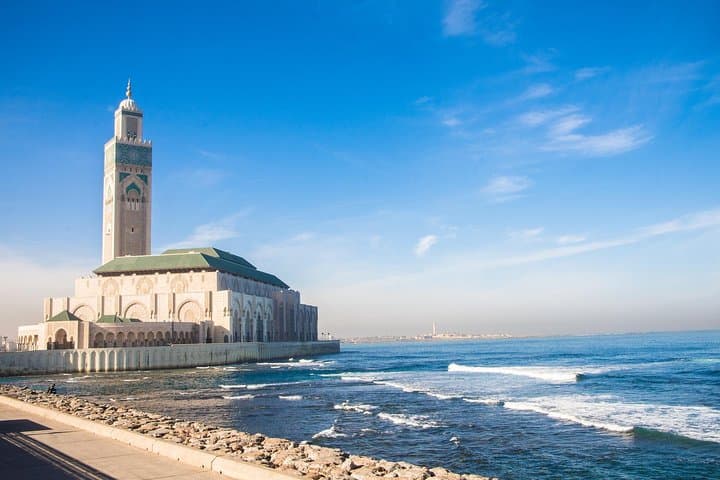
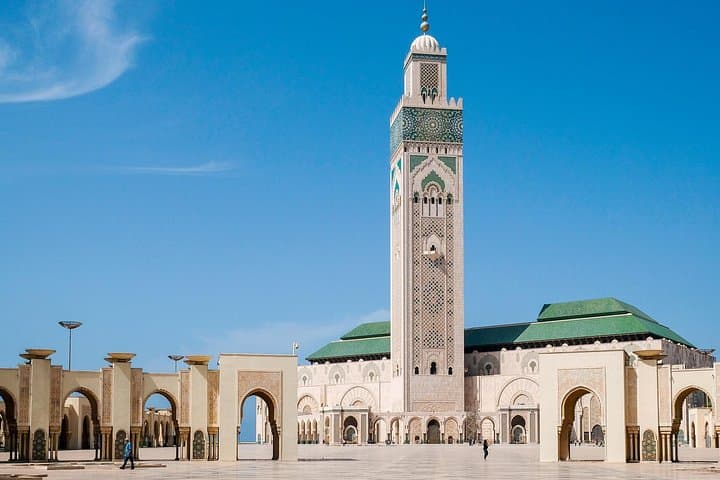
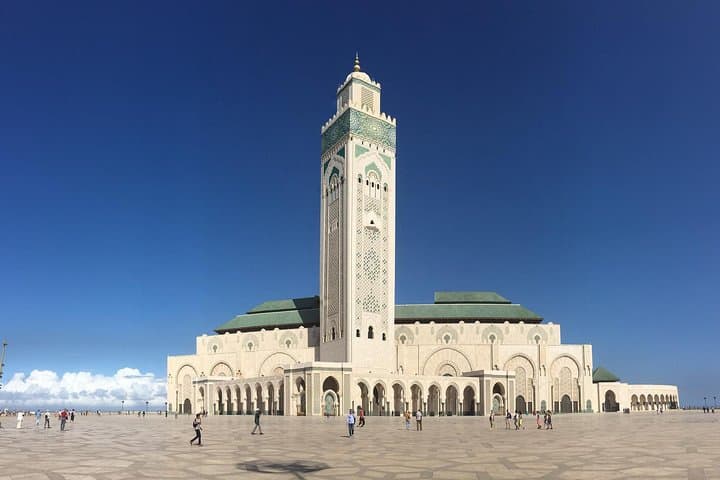
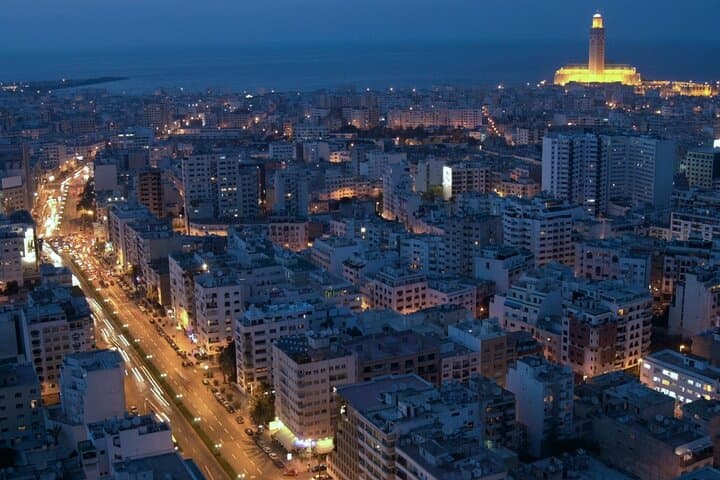
You step off the air-conditioned vehicle and the Atlantic wind hits first—salty, cool, and insistent along the Corniche. The Hassan II Mosque’s minaret pierces the sky nearby, its pale marble catching light like a folded sheet. Cafés hum, seagulls wheel above the shoreline pools, and lanes peel inland toward markets where spices and citrus trade smell for color.
You step off the air-conditioned vehicle and the Atlantic wind hits first—salty, cool, and insistent along the Corniche. The Hassan II Mosque’s minaret pierces the sky nearby, its pale marble catching light like a folded sheet. Cafés hum, seagulls wheel above the shoreline pools, and lanes peel inland toward markets where spices and citrus trade smell for color.
Casablanca’s modern face was largely shaped under the French Protectorate in the early 20th century; planner Henri Prost blended wide boulevards and Art Deco facades with Moroccan motifs. That colonial imprint sits beside older urban threads: the Habous quarter’s low-rise riads, the Mahkama’s ornate cedar-carved halls, and the working central market where fishermen still unload in the morning.
On a full-day private tour you’ll move deliberately—outside views of Hassan II Mosque, strolled explorations of Place des Nations Unies and Anfa’s leafy avenues, and time in the Habous to watch craftsmen and shopkeepers. The terrain is urban: paved streets, some cobbles and short, stepped alleys. Expect 4–6 hours of walking broken by drives in an AC vehicle, with plenty of stops for photos and espresso.
Practical: wear sturdy walking shoes, dress modestly for mosque areas, carry a refillable water bottle, and book mornings for softer light and fewer crowds. Bring cash small bills for markets and tips. The private guide handles logistics—parking, timing, and entry—so you can focus on the city’s layered architecture and the steady push of the Atlantic at the edge of every view.