THE ADVENTURE COLLECTIVE® · Independent discovery and booking for outdoor travel

Spend a full day exploring three of Casablanca Valley’s standout estates with private transport, guided tastings, and a long lunch at a celebrated vineyard restaurant. Learn about organic practices, cool-climate geology, and tasting technique while sampling five-plus wines per stop.
Spend a full day exploring three of Casablanca Valley’s standout estates with private transport, guided tastings, and a long lunch at a celebrated vineyard restaurant. Learn about organic practices, cool-climate geology, and tasting technique while sampling five-plus wines per stop.
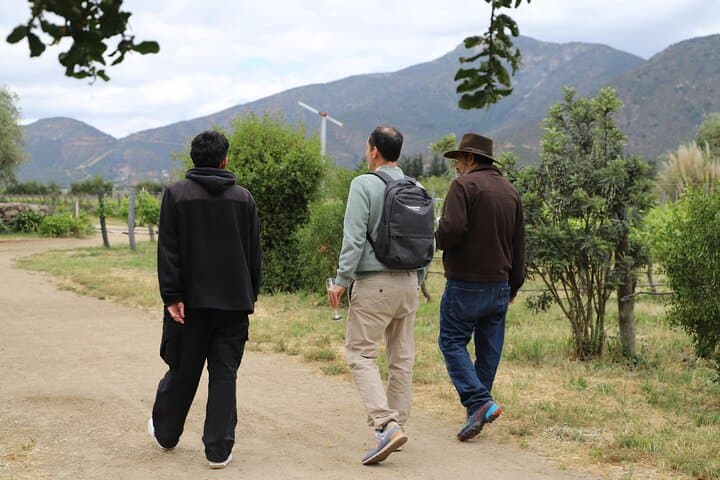
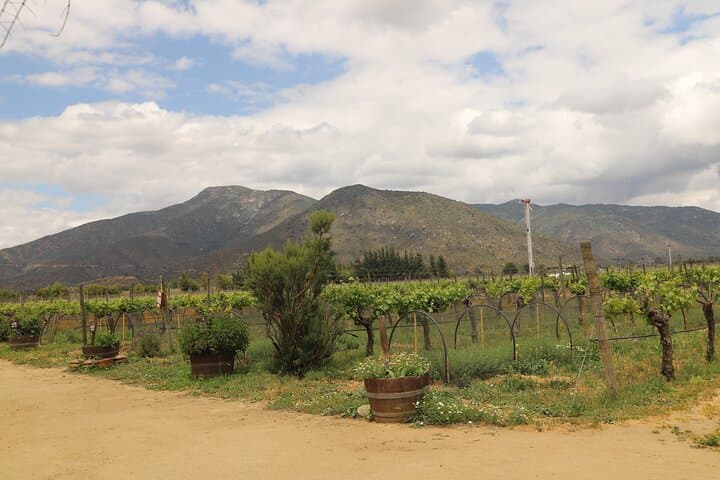
A morning breeze from the Pacific pushes through vineyard rows, the leaves rattling like a low conversation as you step out of private transport onto gravel paths. The valley’s cool coastal air dares the vines to reveal their best: bright sauvignon blancs, citrus-driven chardonnays and subtle cool-climate pinot noirs. You move from one estate to the next—each vineyard a different chapter of technique and terroir—guided through cellar doors, ancient amphorae and modern stainless steel tanks.
Verified experiences and guided adventures in the surrounding area.
Operated by Rota Chile · Casablanca, Valparaíso Region
A morning breeze from the Pacific pushes through vineyard rows, the leaves rattling like a low conversation as you step out of private transport onto gravel paths. The valley’s cool coastal air dares the vines to reveal their best: bright sauvignon blancs, citrus-driven chardonnays and subtle cool-climate pinot noirs. You move from one estate to the next—each vineyard a different chapter of technique and terroir—guided through cellar doors, ancient amphorae and modern stainless steel tanks.
Casablanca’s rise as Chile’s cool-climate wine region began in the late 20th century when winemakers recognized the value of coastal fog and well-drained soils. Geologically the valley sits on marine terraces and alluvial fans, soils that promote concentrated fruit and crisp acidity. Culturally the area blends rural agricultural work with a growing eno-gastronomic scene; restaurants like TANNIN pair local seafood and farm produce with cellar selections.
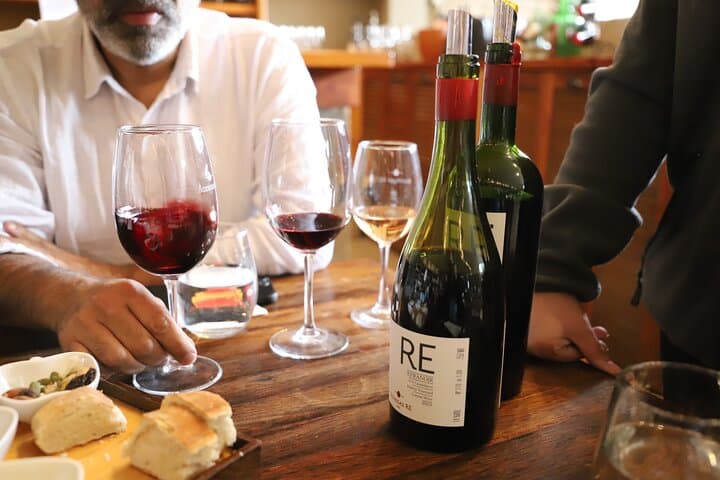
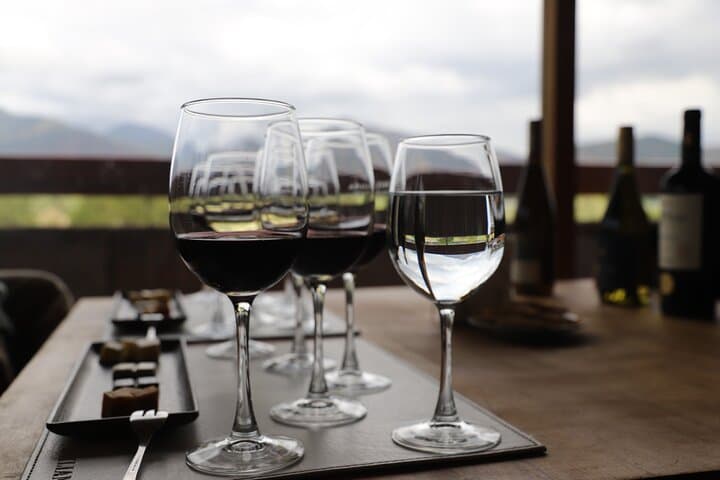
Expect hands-on tasting sessions—five wines at the first estate, ancestral methods at the second, and a longer visit that includes time for lunch at a renowned vineyard restaurant. Guides explain organic and biodynamic practices at the region’s large organic producer and touch on irrigation and sustainability challenges.
Practical notes: the tour is a full-day private transfer from Santiago (about 1–1.5 hours each way), mostly low-impact walking on gravel and vineyard trails, and vineyard visits include admission. Bring sun protection, a light wind layer, and a reusable water bottle; allow extra time for leisurely tastings and a lunch tab at the restaurant. The valley’s wind and fog cooperate with the vines—dress in layers and savor each glass.
easy.
8–11 hours.
Suitable for most fitness levels; requires standing and short walks on uneven vineyard paths.
The private tour runs about 8–11 hours and includes private transport, entry and tastings at three vineyards; lunch cost at the restaurant is typically not included.
Many vineyards have accessible areas and the tour notes wheelchair accessibility, but contact the operator for specifics about ramps and cellar access at each estate.
Children and infants can join; the operator lists stroller and infant seat availability—confirm when booking and note that tastings are for adults only.
Casablanca is known for sauvignon blanc, chardonnay and pinot noir; the itinerary often highlights cool-climate expressions of these varieties and local winemaking methods.
The valley developed as a cool-climate wine region in the late 20th century, shifting Chilean viticulture toward coastal terraces and white grape varieties.
Several estates in Casablanca emphasize organic and biodynamic practices; water management and preserving riparian areas are recurring sustainability focuses.
Rota Chile operates guided outdoor trips and adventures with an emphasis on safety, stewardship, and memorable experiences.
A morning breeze from the Pacific pushes through vineyard rows, the leaves rattling like a low conversation as you step out of private transport onto gravel paths. The valley’s cool coastal air dares the vines to reveal their best: bright sauvignon blancs, citrus-driven chardonnays and subtle cool-climate pinot noirs. You move from one estate to the next—each vineyard a different chapter of technique and terroir—guided through cellar doors, ancient amphorae and modern stainless steel tanks.
A morning breeze from the Pacific pushes through vineyard rows, the leaves rattling like a low conversation as you step out of private transport onto gravel paths. The valley’s cool coastal air dares the vines to reveal their best: bright sauvignon blancs, citrus-driven chardonnays and subtle cool-climate pinot noirs. You move from one estate to the next—each vineyard a different chapter of technique and terroir—guided through cellar doors, ancient amphorae and modern stainless steel tanks.
Casablanca’s rise as Chile’s cool-climate wine region began in the late 20th century when winemakers recognized the value of coastal fog and well-drained soils. Geologically the valley sits on marine terraces and alluvial fans, soils that promote concentrated fruit and crisp acidity. Culturally the area blends rural agricultural work with a growing eno-gastronomic scene; restaurants like TANNIN pair local seafood and farm produce with cellar selections.
Expect hands-on tasting sessions—five wines at the first estate, ancestral methods at the second, and a longer visit that includes time for lunch at a renowned vineyard restaurant. Guides explain organic and biodynamic practices at the region’s large organic producer and touch on irrigation and sustainability challenges.
Practical notes: the tour is a full-day private transfer from Santiago (about 1–1.5 hours each way), mostly low-impact walking on gravel and vineyard trails, and vineyard visits include admission. Bring sun protection, a light wind layer, and a reusable water bottle; allow extra time for leisurely tastings and a lunch tab at the restaurant. The valley’s wind and fog cooperate with the vines—dress in layers and savor each glass.