THE ADVENTURE COLLECTIVE® · Independent discovery and booking for outdoor travel

Drive from Casablanca through the Rif to the vivid blue alleys of Chefchaouen, then along dramatic coastline to Tangier. This private two-day tour mixes short guided walks, panoramic lookouts and coastal caves with hotel accommodation in Tangier.
Drive from Casablanca through the Rif to the vivid blue alleys of Chefchaouen, then along dramatic coastline to Tangier. This private two-day tour mixes short guided walks, panoramic lookouts and coastal caves with hotel accommodation in Tangier.
Early morning air in Casablanca holds the city’s tang of diesel and mint tea as the van pulls away toward the Rif foothills. By midday the road climbs, and blue-washed walls of Chefchaouen peer down through olive groves — the medina’s alleys push you forward, stairs carving the town into levels of light and shadow.
Verified experiences and guided adventures in the surrounding area.
Operated by Morocco Fez Tours · Tangier, Tangier-Tetouan-Al Hoceima
Early morning air in Casablanca holds the city’s tang of diesel and mint tea as the van pulls away toward the Rif foothills. By midday the road climbs, and blue-washed walls of Chefchaouen peer down through olive groves — the medina’s alleys push you forward, stairs carving the town into levels of light and shadow.
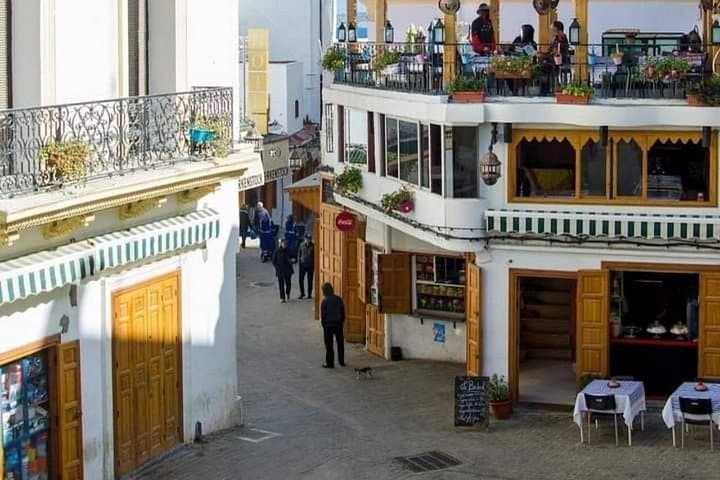
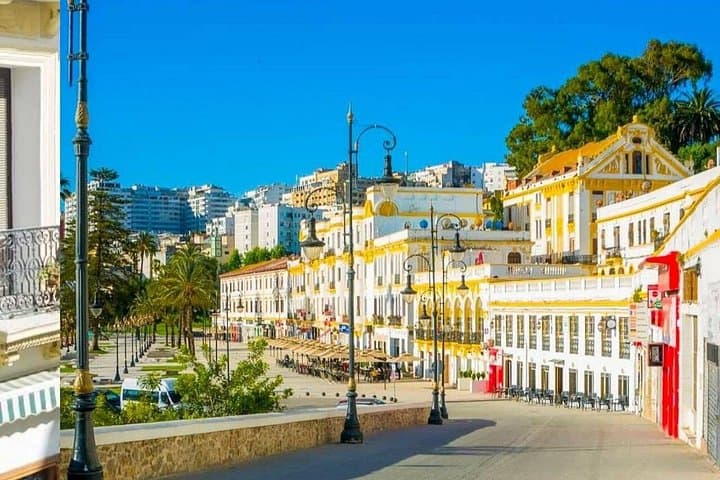
Chefchaouen grew from a 15th-century fortress town and reflects Andalusian and Berber traditions; its stone and mortar follow the fold of the Rif Mountains, where limestone ridges and river valleys shape local agriculture and settlement patterns. Tangier sits where the Atlantic leans into the Mediterranean; its kasbah and Grand Socco have long been crossroads of trade, music and counterculture.
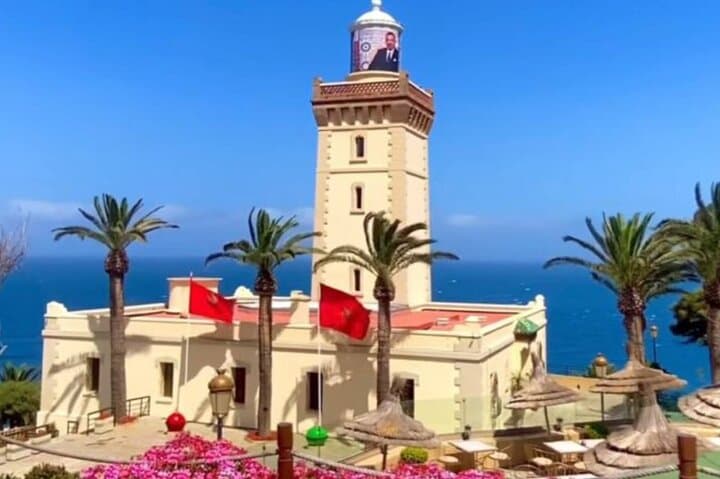
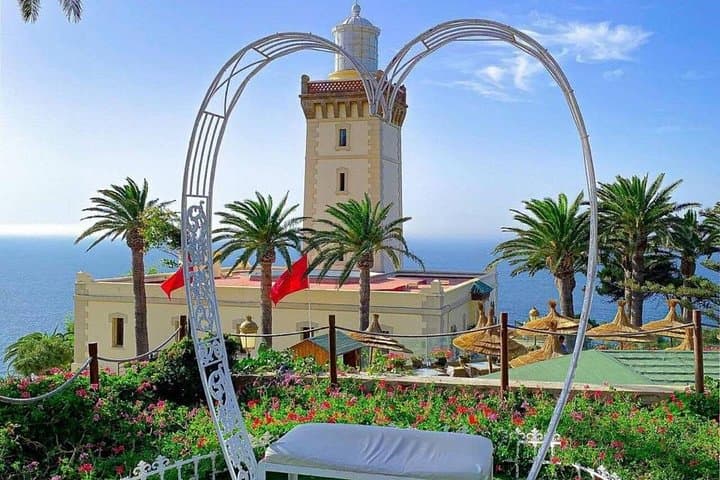
This guided, private two-day route pairs short, focused walking tours with comfortable vehicle transfers: four hours exploring Chefchaouen’s medina, the Ras El-Maa spring and Spanish Mosque overlook, then coastal stops at Cap Spartel and the Caves of Hercules in Tangier. Expect cobbled streets, narrow stairways, and uneven surfaces more than sustained uphill mileage — the physical demand is light but requires sure-footedness.
Practical notes: leave bulky luggage in the vehicle or at your riad, bring cash for market purchases, and time your visit for morning light in Chefchaouen or late afternoon at Cap Spartel for softer coastal views. Hydrate on the road, wear closed-toe shoes for medina stones, and keep valuables secure in a front-pack; local guides help navigate language and bargaining so you can focus on the scenery and cultural details.
easy.
2 days.
Suitable for most fitness levels; expect several hours of walking on uneven surfaces and short stair climbs.
Visa requirements depend on nationality; check Moroccan entry rules before travel and ensure your passport is valid for at least six months.
Yes—infants may sit on laps and infant seats are available, but plan for limited facilities during some stops and bring supplies for young children.
Expect several short walking sessions (2–4 hours total per day), mainly on uneven medina streets and scenic overlooks rather than long hikes.
Local restaurants and guides can usually arrange vegetarian or common dietary needs if noted at booking; bring snacks for specific restrictions.
Chefchaouen began as a mountain outpost in the 15th century and blends Andalusian architectural influence with Berber heritage; Tangier’s position at a maritime crossroads made it a longstanding port of multicultural exchange.
The Rif’s ecosystems are sensitive to erosion and overgrazing; stick to marked paths, avoid damaging stone terraces, and support local guides and small businesses to promote sustainable tourism.
Morocco Fez Tours operates guided outdoor trips and adventures with an emphasis on safety, stewardship, and memorable experiences.
Early morning air in Casablanca holds the city’s tang of diesel and mint tea as the van pulls away toward the Rif foothills. By midday the road climbs, and blue-washed walls of Chefchaouen peer down through olive groves — the medina’s alleys push you forward, stairs carving the town into levels of light and shadow.
Early morning air in Casablanca holds the city’s tang of diesel and mint tea as the van pulls away toward the Rif foothills. By midday the road climbs, and blue-washed walls of Chefchaouen peer down through olive groves — the medina’s alleys push you forward, stairs carving the town into levels of light and shadow.
Chefchaouen grew from a 15th-century fortress town and reflects Andalusian and Berber traditions; its stone and mortar follow the fold of the Rif Mountains, where limestone ridges and river valleys shape local agriculture and settlement patterns. Tangier sits where the Atlantic leans into the Mediterranean; its kasbah and Grand Socco have long been crossroads of trade, music and counterculture.
This guided, private two-day route pairs short, focused walking tours with comfortable vehicle transfers: four hours exploring Chefchaouen’s medina, the Ras El-Maa spring and Spanish Mosque overlook, then coastal stops at Cap Spartel and the Caves of Hercules in Tangier. Expect cobbled streets, narrow stairways, and uneven surfaces more than sustained uphill mileage — the physical demand is light but requires sure-footedness.
Practical notes: leave bulky luggage in the vehicle or at your riad, bring cash for market purchases, and time your visit for morning light in Chefchaouen or late afternoon at Cap Spartel for softer coastal views. Hydrate on the road, wear closed-toe shoes for medina stones, and keep valuables secure in a front-pack; local guides help navigate language and bargaining so you can focus on the scenery and cultural details.