THE ADVENTURE COLLECTIVE® · Independent discovery and booking for outdoor travel

A five-day private loop from Casablanca to the Sahara that blends imperial cities with the vast Erg Chebbi dunes. Expect long drives, a camel trek, an overnight desert camp, sandboarding and dramatic gorges en route.
A five-day private loop from Casablanca to the Sahara that blends imperial cities with the vast Erg Chebbi dunes. Expect long drives, a camel trek, an overnight desert camp, sandboarding and dramatic gorges en route.
Dawn finds the dunes outside Merzouga shifting like a slow ocean; the minivan eases to a stop and the guide points toward a line of camels waiting on the ridge. Over five days the route reads like a cross-section of Morocco: the Atlantic pulse of Casablanca, the imperial courts of Meknes and Fes, cedar-clad hills near Ifrane, and finally the ochre seas of Erg Chebbi where sand will define your stride.
Verified experiences and guided adventures in the surrounding area.
Operated by Sahara Holiday Tours · Merzouga, Drâa-Tafilalet
Dawn finds the dunes outside Merzouga shifting like a slow ocean; the minivan eases to a stop and the guide points toward a line of camels waiting on the ridge. Over five days the route reads like a cross-section of Morocco: the Atlantic pulse of Casablanca, the imperial courts of Meknes and Fes, cedar-clad hills near Ifrane, and finally the ochre seas of Erg Chebbi where sand will define your stride.
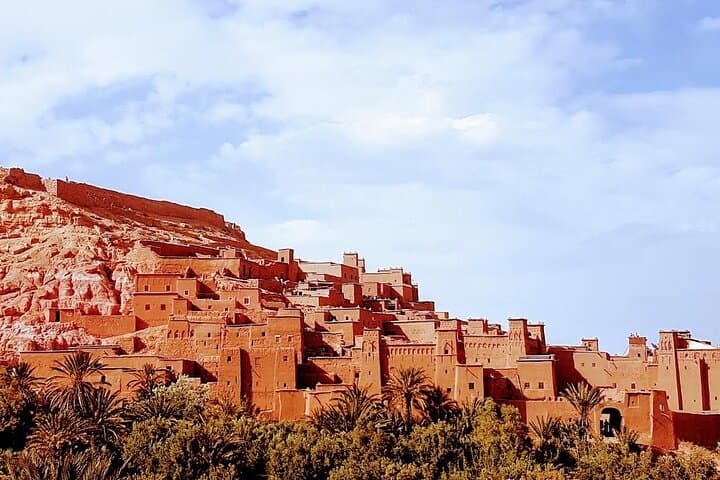
This corridor carries deep history—caravans once threaded between oasis towns, and Ait Benhaddou stands as a fortified waypoint on old trans-Saharan routes. Geology here is blunt and deliberate: wind-scoured dunes of the Erg are mobile features built from volcanic and river-borne sediments pushed northward by Atlas winds; the Todra Gorges cut into limestone, offering narrow canyons and sheer faces that contrast with the soft desert.
Cultural notes are practical: many stops are in living medinas where mint tea is both hospitality and currency of conversation; Berber families run desert camps and maintain crafts that reward respectful interest. Wildlife is discreet—tracks of fennec foxes and desert reptiles, and Barbary macaques near cedar stands.
Practical guidance: the tour involves long drives (expect multiple 4–6 hour legs), one overnight in a desert camp with basic facilities, camel transfers of 30–60 minutes, and optional sandboarding. Bring layered clothing for cold nights, sun protection, a reusable water bottle, and good walking shoes. Plan to photograph sunrise and sunset at Erg Chebbi and carry small cash for local purchases and tips.
moderate.
5 days.
Suitable for travelers who can handle long vehicle transfers, short camel rides, and brief hikes in gorges; basic stamina required for uneven sand and steps.
Camps are typically traditional tents with mattress bedding and shared wash facilities; some camps offer private en-suite tents for an extra cost.
Camel transfers to the camp are usually 30–60 minutes—enough to experience the dune landscape but not an expert endurance ride.
Two breakfasts and two dinners are included as noted; city meals and some lunches may be at local restaurants and are sometimes extra.
A valid passport is required; the booking asks for passport details and travelers should check visa requirements for Morocco based on nationality.
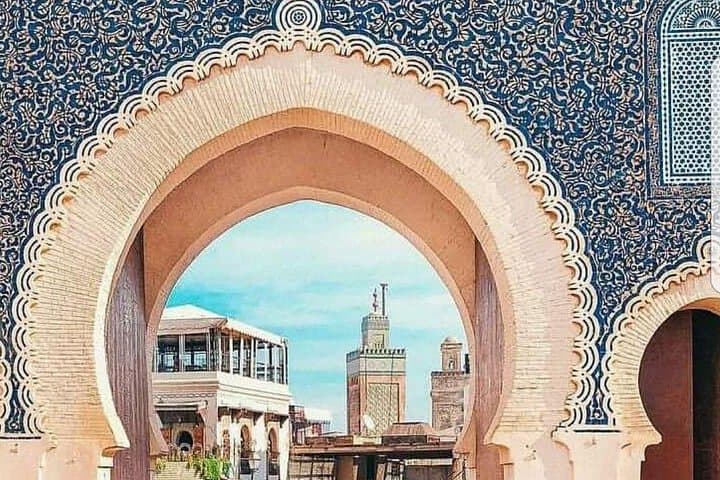
Ait Benhaddou is a ksar on historic trans-Saharan caravan routes and features multi-story earthen architecture; Fes and Meknes are imperial cities with centuries-old medinas.
Water is scarce across the route—minimize use and avoid single-use plastics; follow local guidance in dunes to prevent destabilizing fragile sands.
Sahara Holiday Tours operates guided outdoor trips and adventures with an emphasis on safety, stewardship, and memorable experiences.
Dawn finds the dunes outside Merzouga shifting like a slow ocean; the minivan eases to a stop and the guide points toward a line of camels waiting on the ridge. Over five days the route reads like a cross-section of Morocco: the Atlantic pulse of Casablanca, the imperial courts of Meknes and Fes, cedar-clad hills near Ifrane, and finally the ochre seas of Erg Chebbi where sand will define your stride.
Dawn finds the dunes outside Merzouga shifting like a slow ocean; the minivan eases to a stop and the guide points toward a line of camels waiting on the ridge. Over five days the route reads like a cross-section of Morocco: the Atlantic pulse of Casablanca, the imperial courts of Meknes and Fes, cedar-clad hills near Ifrane, and finally the ochre seas of Erg Chebbi where sand will define your stride.
This corridor carries deep history—caravans once threaded between oasis towns, and Ait Benhaddou stands as a fortified waypoint on old trans-Saharan routes. Geology here is blunt and deliberate: wind-scoured dunes of the Erg are mobile features built from volcanic and river-borne sediments pushed northward by Atlas winds; the Todra Gorges cut into limestone, offering narrow canyons and sheer faces that contrast with the soft desert.
Cultural notes are practical: many stops are in living medinas where mint tea is both hospitality and currency of conversation; Berber families run desert camps and maintain crafts that reward respectful interest. Wildlife is discreet—tracks of fennec foxes and desert reptiles, and Barbary macaques near cedar stands.
Practical guidance: the tour involves long drives (expect multiple 4–6 hour legs), one overnight in a desert camp with basic facilities, camel transfers of 30–60 minutes, and optional sandboarding. Bring layered clothing for cold nights, sun protection, a reusable water bottle, and good walking shoes. Plan to photograph sunrise and sunset at Erg Chebbi and carry small cash for local purchases and tips.